Locksmith in Woodbine Gardens, OntarioYour shop's front dooris your first impression
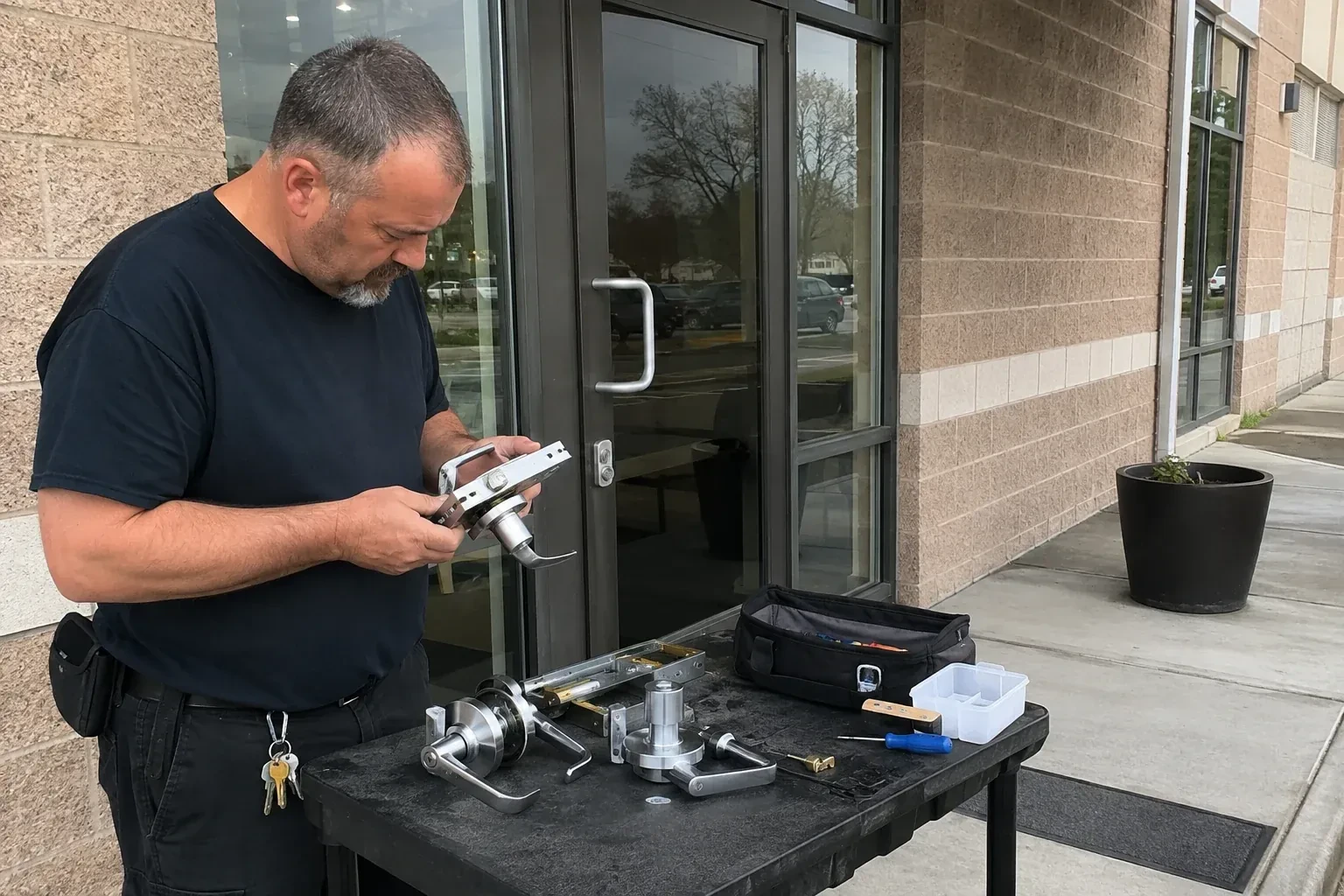
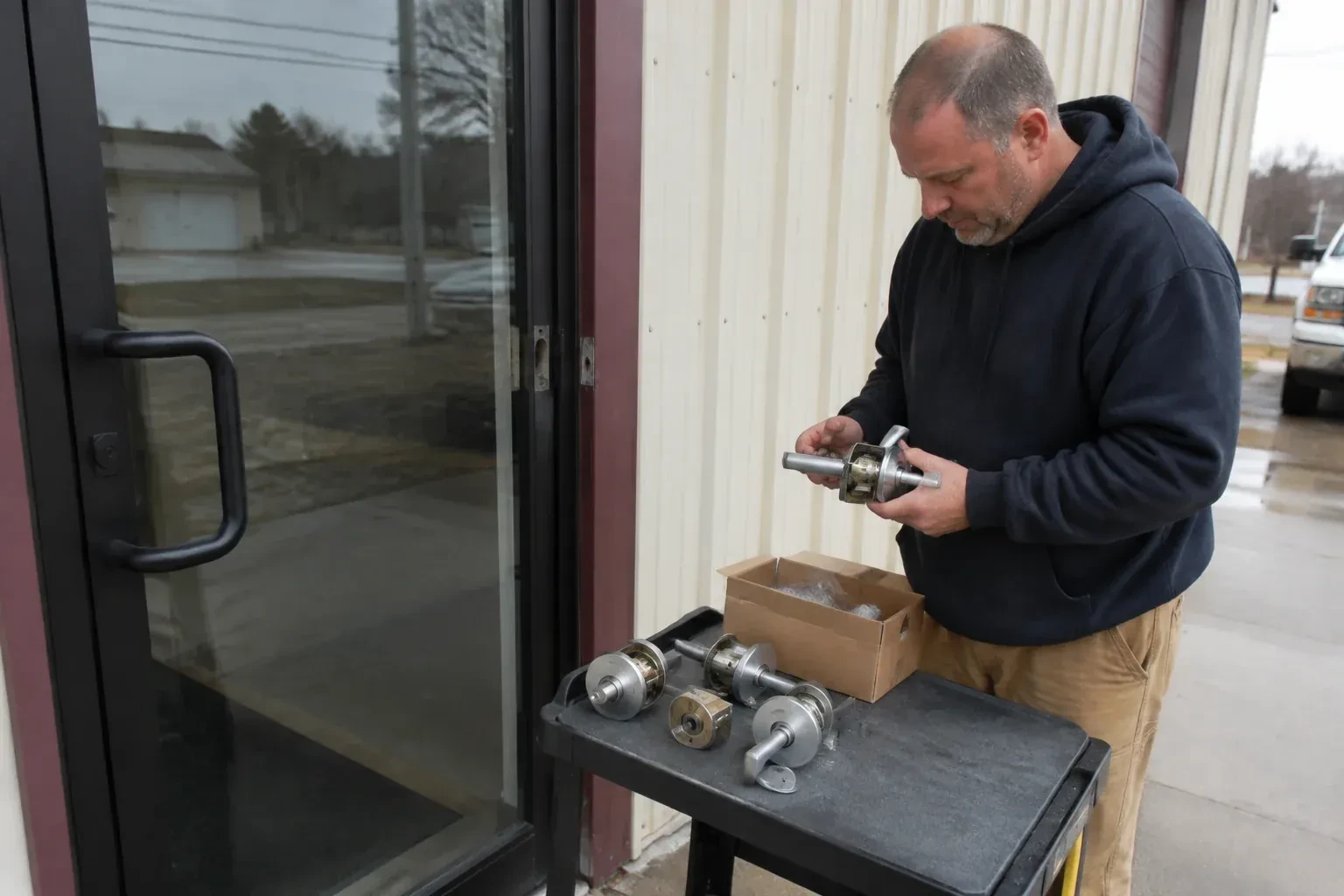
Customers in Woodbine Gardens notice a storefront door that slams, drags or needs a shoulder. We service the closers, pivots and locks that keep a commercial entrance quiet and secure, fit cylinders that resist tampering, and set the hardware so the door greets people properly and locks tight after close.
Customers in Woodbine Gardens notice a storefront door that slams, drags or needs a shoulder. We service the closers, pivots and locks that keep a commercial entrance quiet and secure, fit cylinders that resist tampering, and set the hardware so the door greets people properly and locks tight after close.
Doors that close, lock and stay locked.
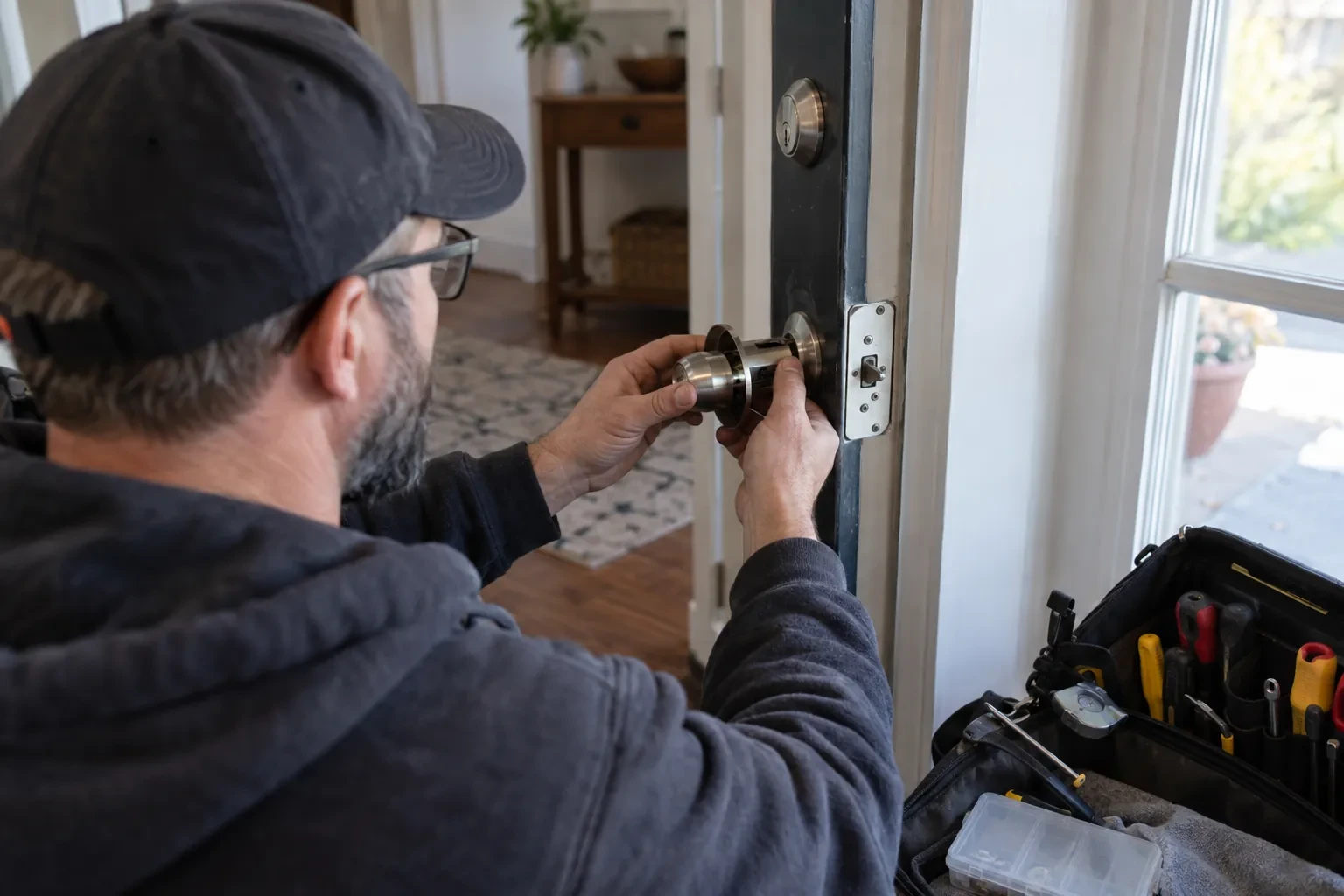
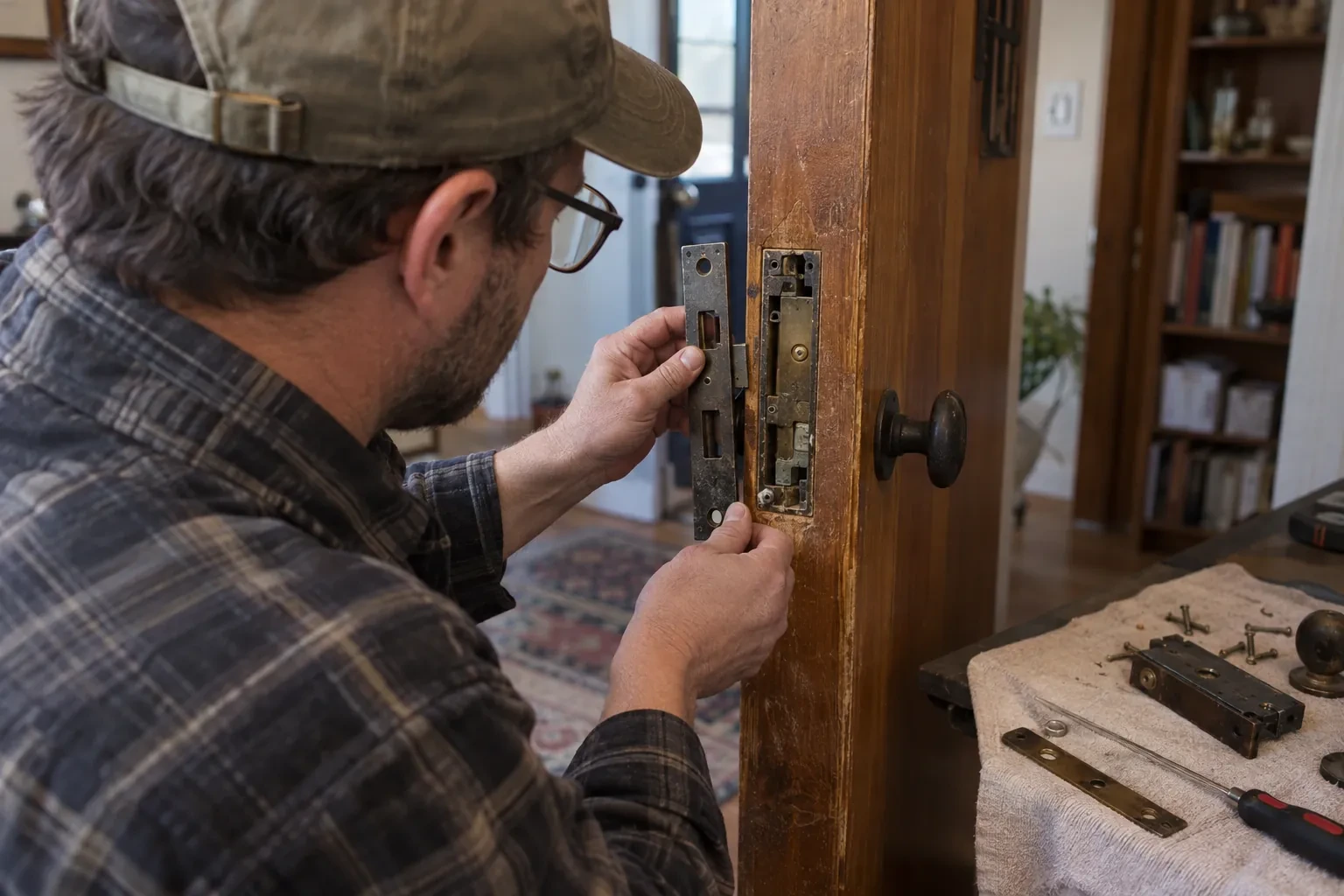
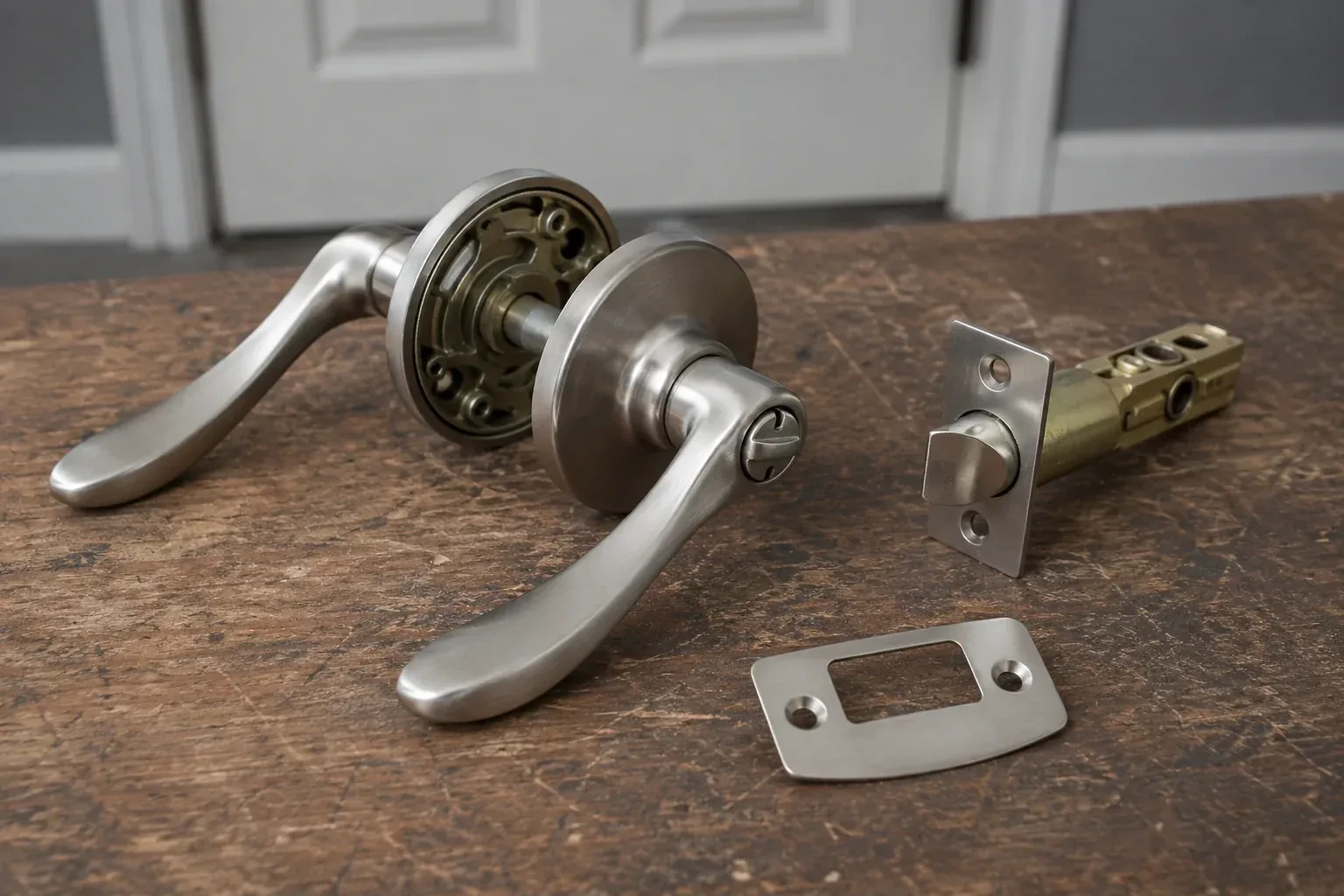
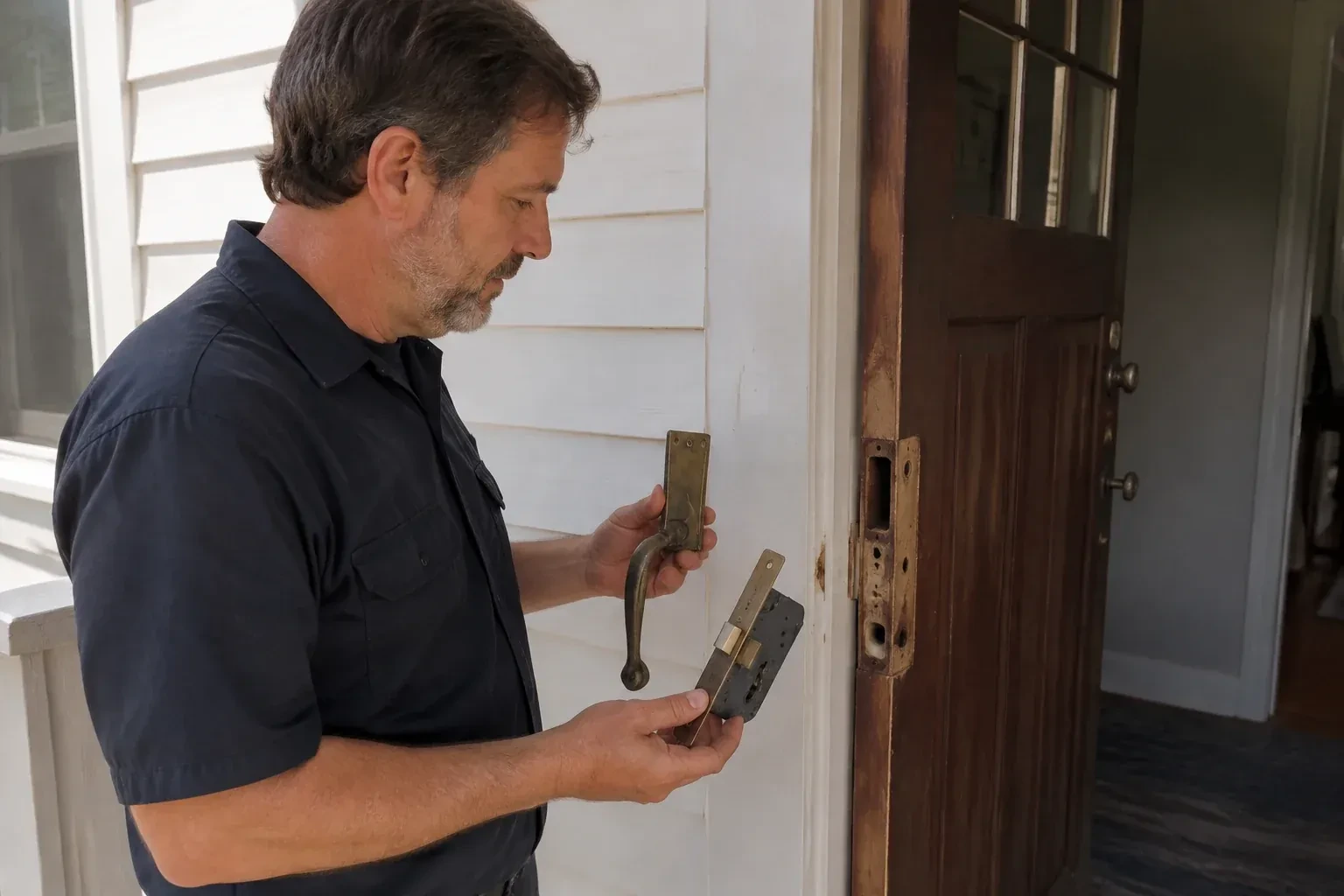
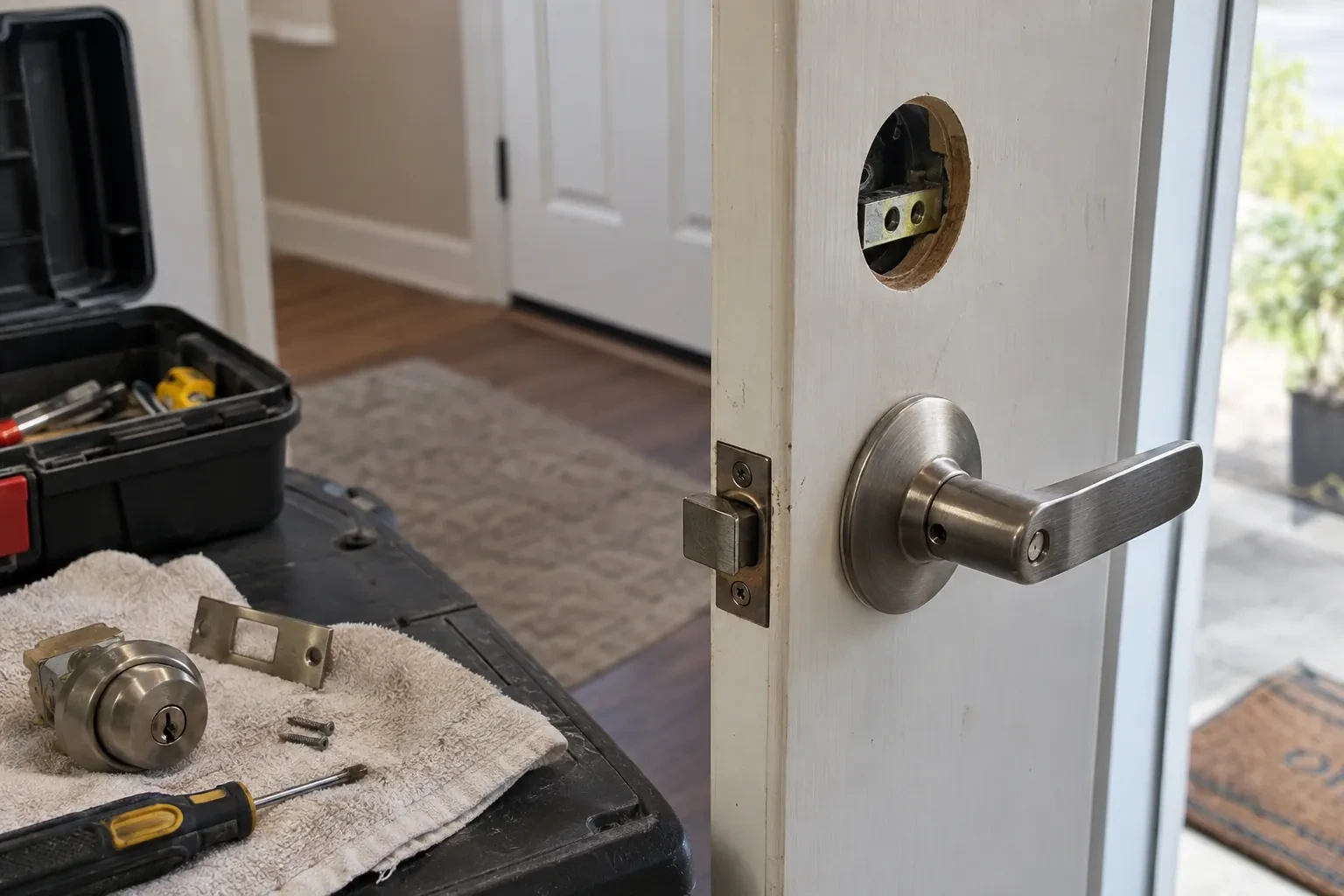
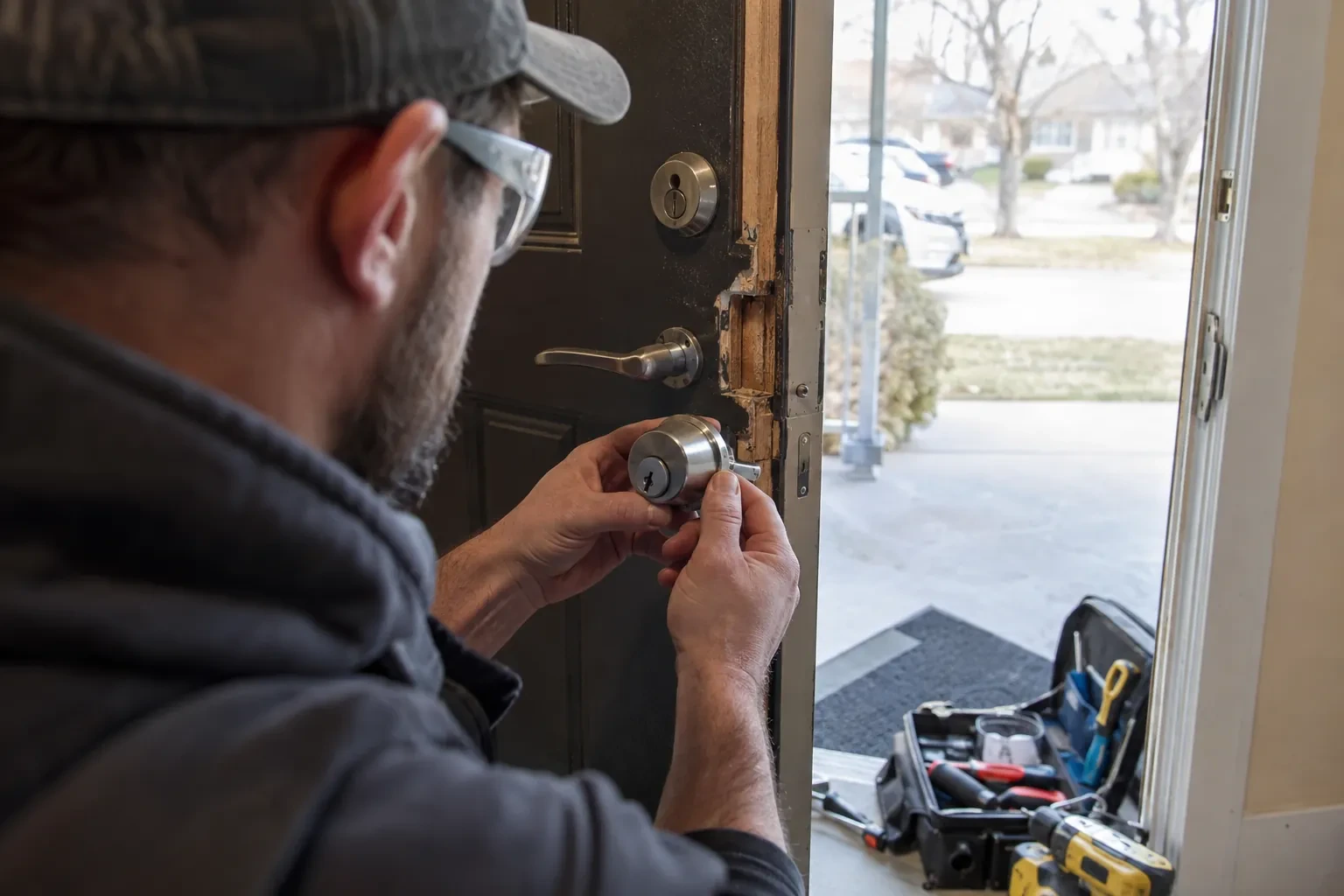
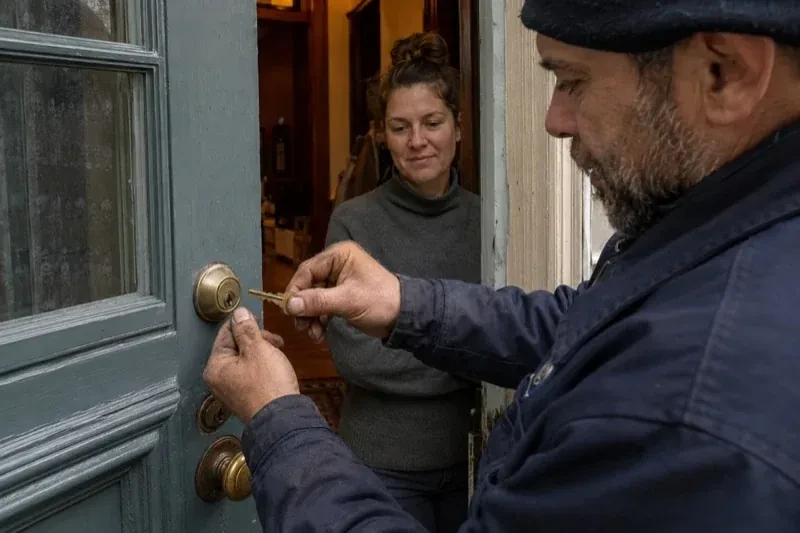
Hardware for Woodbine Gardens homes is chosen for the door, not the catalogue. We look at the thickness, the bore, the backset, the swing and the finish already on the house, then bring options that fit without new holes or mismatched brass. The result looks as though it was always there, and it locks the way the door deserves.
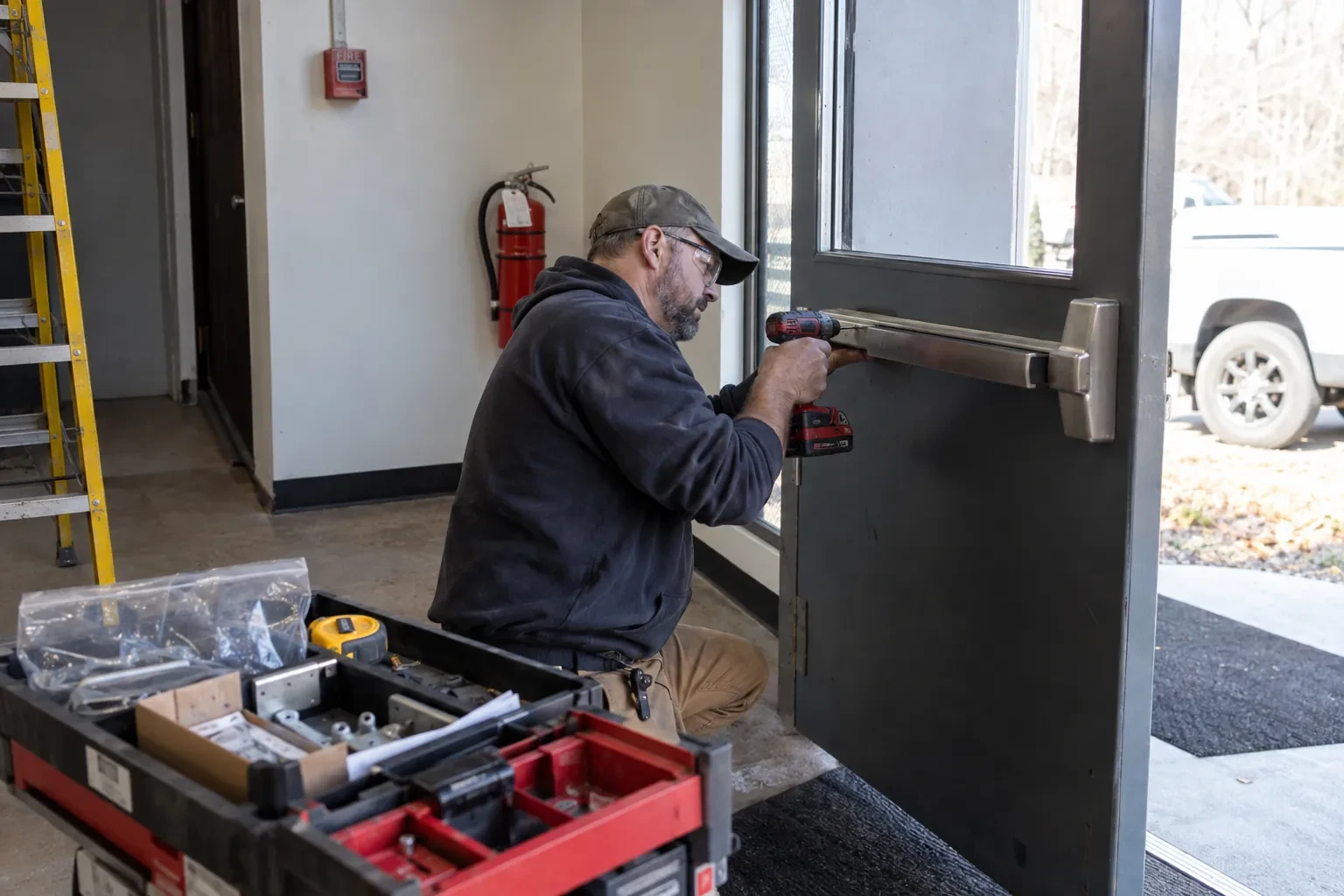
Shopkeepers along the commercial streets of Woodbine Gardens know the back door is usually the weak spot. We look at closers, strikes, frames and hinges as well as the lock, fit hardware that keeps the door shut without staff having to think about it, and set up keys or codes so access can be managed as people come and go.
31years in business
24/7open every day
Clear about who can get in. After any rekey or replacement we tell you exactly which keys work and how many copies exist. Key control is the point, and you should have the full picture.
Careful with the building. We protect floors and finishes, work around your day where we can, and treat a shop or office with the same care as a home.
The choice explained in your terms. Rather than product names, we talk about what each option means for you: who has access, how it copes with weather, how easy it is to change later.
Locks on homes and businesses in Woodbine Gardens go through the same stages: they get installed, they wear, they need rekeying when people change, and eventually they are upgraded or replaced. The services here follow that life cycle so you can find the right one at whatever stage your door has reached.
About 58% of homes in Toronto were built in 1980 or earlier, according to the 2021 Census.
Older homes
In neighbourhoods of established homes, keys have often been copied many times over many owners. Rekeying every exterior door to one fresh key is the common first job, and it works on old cylinders just as well as on new ones.
Single-detached houses make up about 23% of homes in Toronto (2021 Census).
Where most homes are apartments or condos, storage lockers, bike rooms and parking gates carry their own locks. A locksmith can supply and key padlocks and cam locks for those spaces so one household ring covers everything it uses.
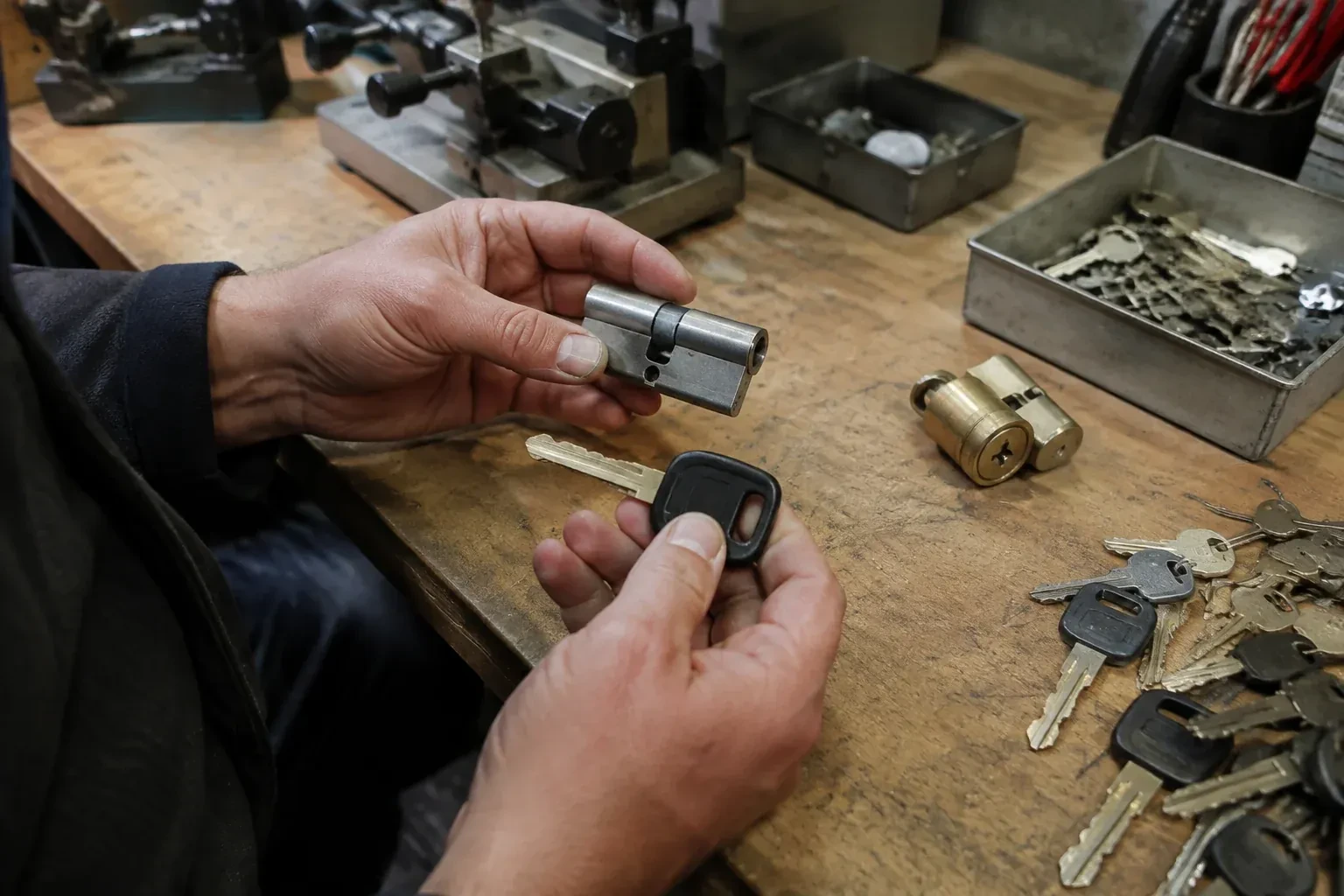
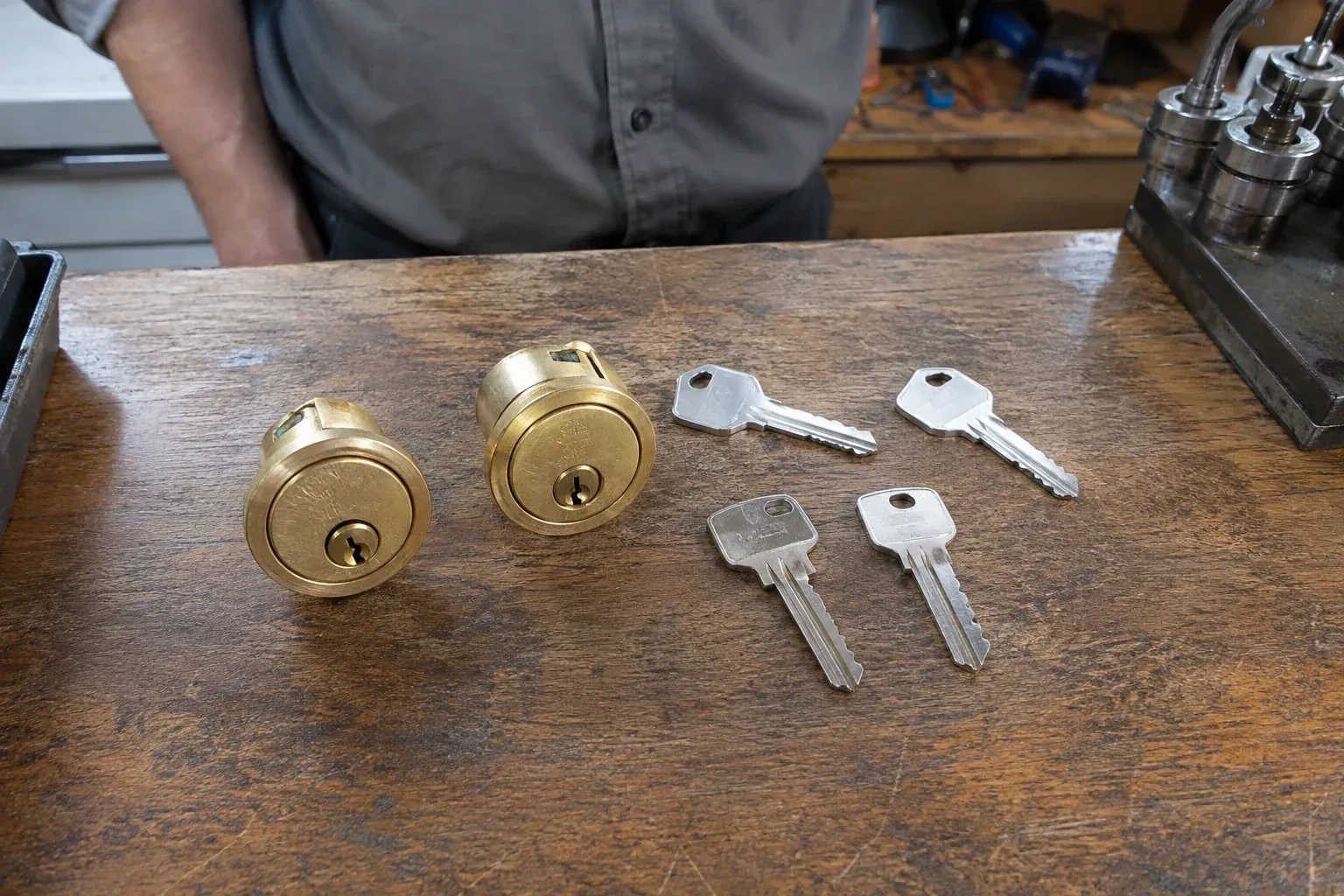
Key control is the part people underrate. A patented keyway means blanks are not sold openly and a copy needs an authorised name, so the count of keys stays known. This section explains how that works alongside the hardware that resists force.
You have lost count of how many people have had a key to your house over the years: cleaners, a contractor, a former partner, the previous owner's family.
A commercial lockout can mean a locked front door with customers arriving, a jammed back door with a delivery waiting, or a stockroom key gone missing during a shift. Business lockout work opens the door, checks the lock and gets the day back on track.
A software update reset the clinic's small safe overnight, and the receptionist's usual code now does nothing on a keypad that lights up but goes no further.
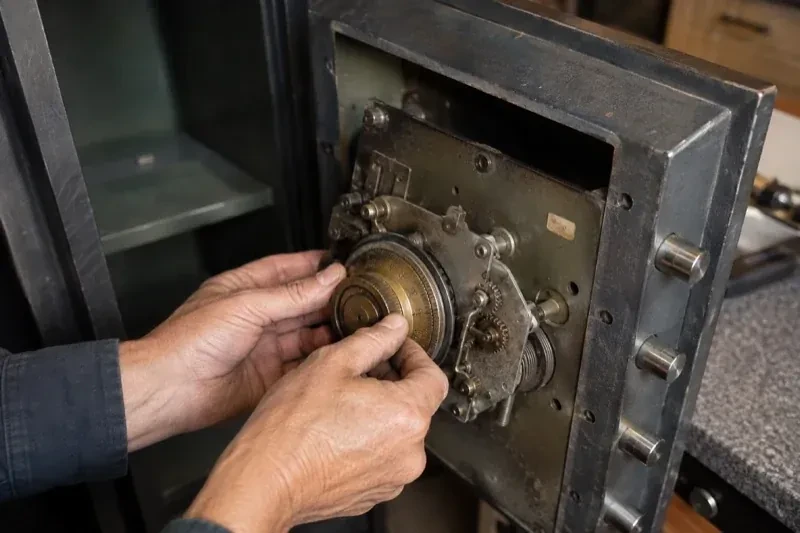
A homeowner inherited a heavy old dial safe from a parent's house, moved it into the new place, and has no idea whether the bolt-work still works, whether the lock is sound, or how it should be anchored.
Which fix fits?
The heavy glass door has been scraping the threshold for weeks.
WhyReplacing an existing deadbolt is usually a matter of matching rather than cutting.
There are four copies of the front-door key floating around: one with the cleaner, one with a neighbour, one on a hook at your parents' place, and one you honestly cannot account for.
WhySmart lock installation puts an electronic deadbolt or lever on your door that opens with a code, a phone, a fob or a fingerprint, and, on some models, a conventional key too.
A visitor buzzes from the panel downstairs, someone presses the button by the door, and nothing happens.
WhyA building outlives its tenants, and every move-out that skips a rekey leaves one more key in circulation that nobody living there today can account for.
The mailbox key snapped clean off in the lock last week, and the stub is still sitting somewhere inside the cylinder.
WhyIn a condo or apartment building, a single failing compartment often turns into several once a property manager starts asking around, and this service scales either way.
Something went missing from the storeroom over a weekend, and when you ask who was in the building, the honest answer is anyone with a key.
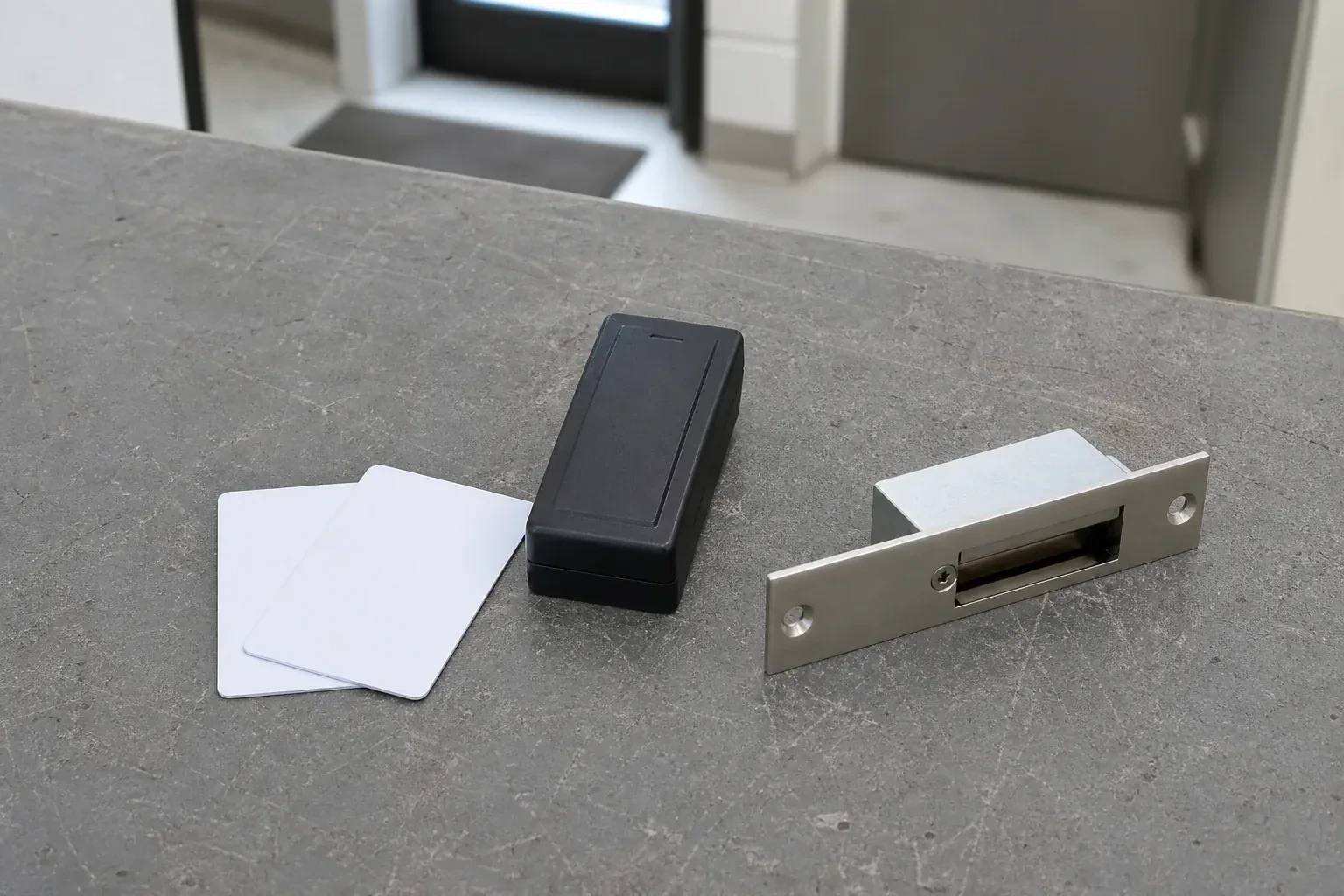
WhyLocking hardware varies by opening: an electric strike, fitted into the existing frame, keeps the mechanical latch and releases it briefly for a valid credential; a magnetic lock clamps the door shut with an electromagnet and suits a frame or door that will not take a strike; and some openings use an electromechanical lock or a different controlled lockset entirely.
One key opens the car, starts the car, and rides in one pocket every day.
WhyMaking a spare before the original goes missing is simpler than making one after, because the whole process is built from a working key to read or trace from.
Buttons on the fob still light up and the remote still clicks, but the vehicle refuses to start even with the fob sitting in the cupholder.
WhyLosing a fob raises a question a spare doesn't answer on its own: whoever has the missing one can, in principle, still use it.
The bike came home from its previous owner with a single worn key that starts the engine but does nothing for the seat latch or the fuel cap, both of which answer to keys nobody handed over.
WhyThe visit follows a steady order regardless of what caused the missing key.
Good days. Start with a turn.
1/9Business Lockout Service
The heavy glass door has been scraping the threshold for weeks. This morning the key turns, you can hear the bolt trying to move, but it is jammed hard in the strike and the door stays shut no matter how the handle is pulled.
The door from the garage into the kitchen closes on a passage knob with no lock at all. Anyone who opens the garage is one turn of a handle from the house, and the insurance renewal form has a question about exactly that.
There are four copies of the front-door key floating around: one with the cleaner, one with a neighbour, one on a hook at your parents' place, and one you honestly cannot account for. You would rather hand out codes you can switch off.
A visitor buzzes from the panel downstairs, someone presses the button by the door, and nothing happens. The electric strike on the lobby door used to click open on cue; now it stays silent, and residents are propping the entry with a folded flyer instead.
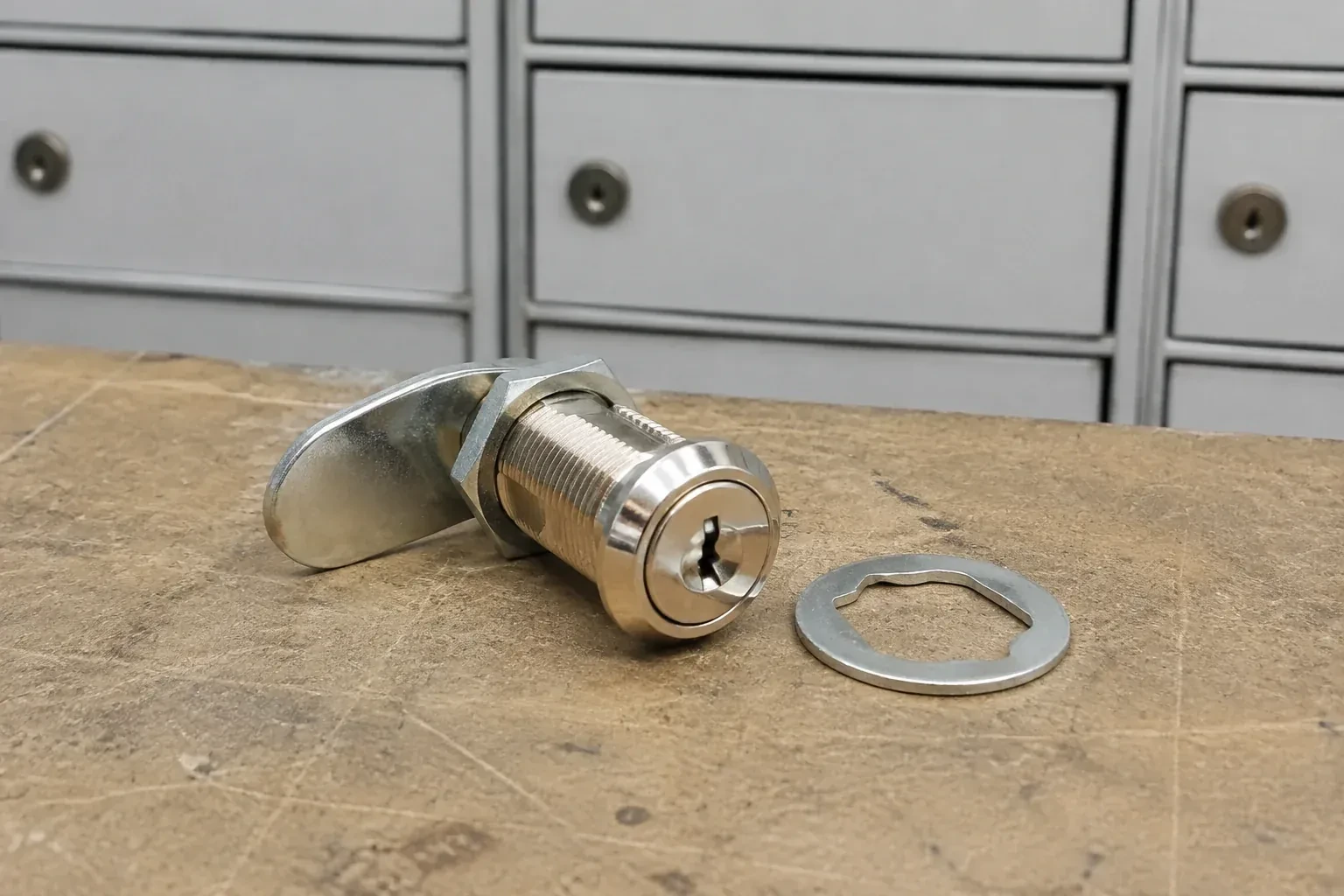
The mailbox key snapped clean off in the lock last week, and the stub is still sitting somewhere inside the cylinder. Nothing else on the ring gets anywhere near that keyway, and the mail is piling up because of it.
Something went missing from the storeroom over a weekend, and when you ask who was in the building, the honest answer is anyone with a key. There is no list, no time stamp, no way to narrow it down.
One key opens the car, starts the car, and rides in one pocket every day. Nothing backs it up. A dropped storm drain, a torn pocket or a moment of distraction would leave the household without a way to drive anywhere tonight.
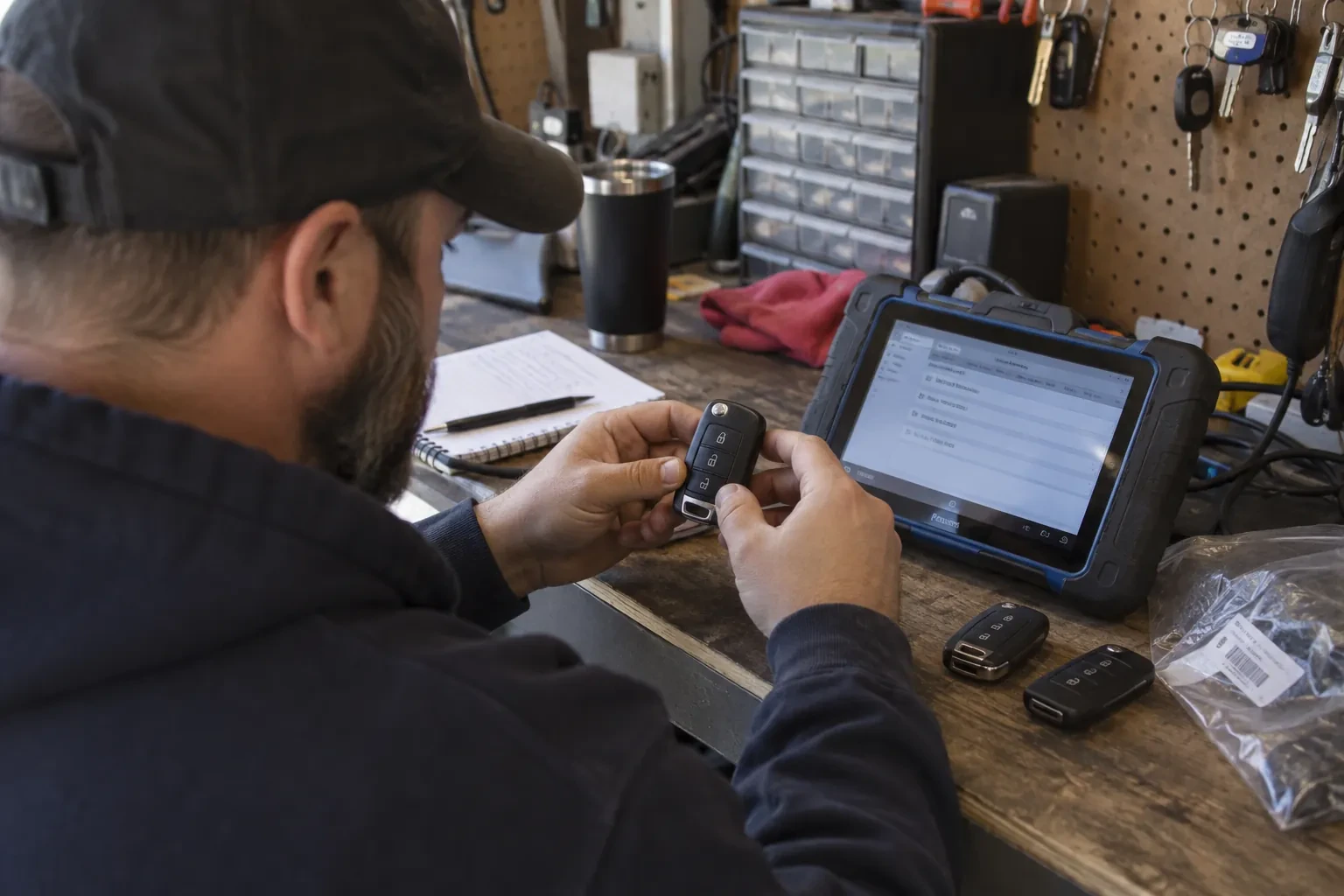
Buttons on the fob still light up and the remote still clicks, but the vehicle refuses to start even with the fob sitting in the cupholder. The mechanical blade turns the door without trouble; something further inside the dashboard has stopped recognizing the fob's signal.
The bike came home from its previous owner with a single worn key that starts the engine but does nothing for the seat latch or the fuel cap, both of which answer to keys nobody handed over.
What is an interchangeable core, and how do I know if we have one?
An interchangeable core is a small, self-contained cylinder that slides out of the lock with a special control key and drops back in on a new combination. Look at the keyway: a figure-eight shaped face on a lever or mortise housing is the usual sign. Buildings choose them because a lost key or a staff change is handled by swapping the core rather than taking the lock apart, and a locksmith can carry cores pinned to your system.
The door has to be pulled before the old bolt will lock. Will a new one fix that?
The new bolt will only lock as smoothly as the door and frame let it, so the locksmith deals with the cause as part of the installation. A door that has sagged on loose hinges gets longer hinge screws or a shim, thick weatherstrip is trimmed, and the strike is set from the bolt's actual position with the door closed. The pocket is bored deep enough for a full throw. Afterwards the bolt should slide with fingertip effort.
I rent. Can I have a smart lock installed?
Yes, with your landlord's agreement first. Tenancy rules in this province expect a tenant to have the landlord's consent before changing a lock, and expect the landlord to have a working way in, so the sensible route is a short conversation and a note of what will be fitted. A retrofit model that mounts inside and keeps the existing exterior lock and key is often the easiest thing for a landlord to say yes to, since the door is unchanged from outside.
Who is allowed to ask for a rekey on a shared building entry?
Because a shared entry serves more than one household, the locksmith looks for someone with authority over the whole door: an owner, a landlord, a property manager or a condo board, rather than any single resident acting alone. An individual tenant can usually request work on their own unit's door without issue, but changing the lock everyone in the building relies on to get in is treated as a decision for whoever manages the property, with current residents given new keys once it is done.
Is a mailbox lock the same kind of lock as a house door?
The mechanism is related but smaller: many mailbox locks use flat wafer tumblers rather than the pin-tumbler cylinders found in most house doors, and some use a tubular, or barrel-key, design instead. The keyway, the tools that open it, and the way it is measured for replacement all differ from a deadbolt, even though both are picked or decoded using similar principles.
Can the system be expanded to more doors later?
Yes. A system installed with some spare capacity in its controller and power supply can usually take another door or two by adding a reader and lock and wiring it back in. A door far from the existing wiring can instead run its own standalone unit. Either way, existing schedules and credentials do not need to be rebuilt from scratch.
Should I get the locks rekeyed when I get a spare, or is that a different service?
They are related but not identical, since a car's door and ignition locks are a separate mechanical layer from the immobilizer even though both systems usually get touched in the same visit. Making a spare and removing a genuinely unaccounted-for key's electronic access are handled together, and if that lost key's blade could still turn a matching door cylinder by hand, the locksmith rekeys that cylinder as part of the same appointment.
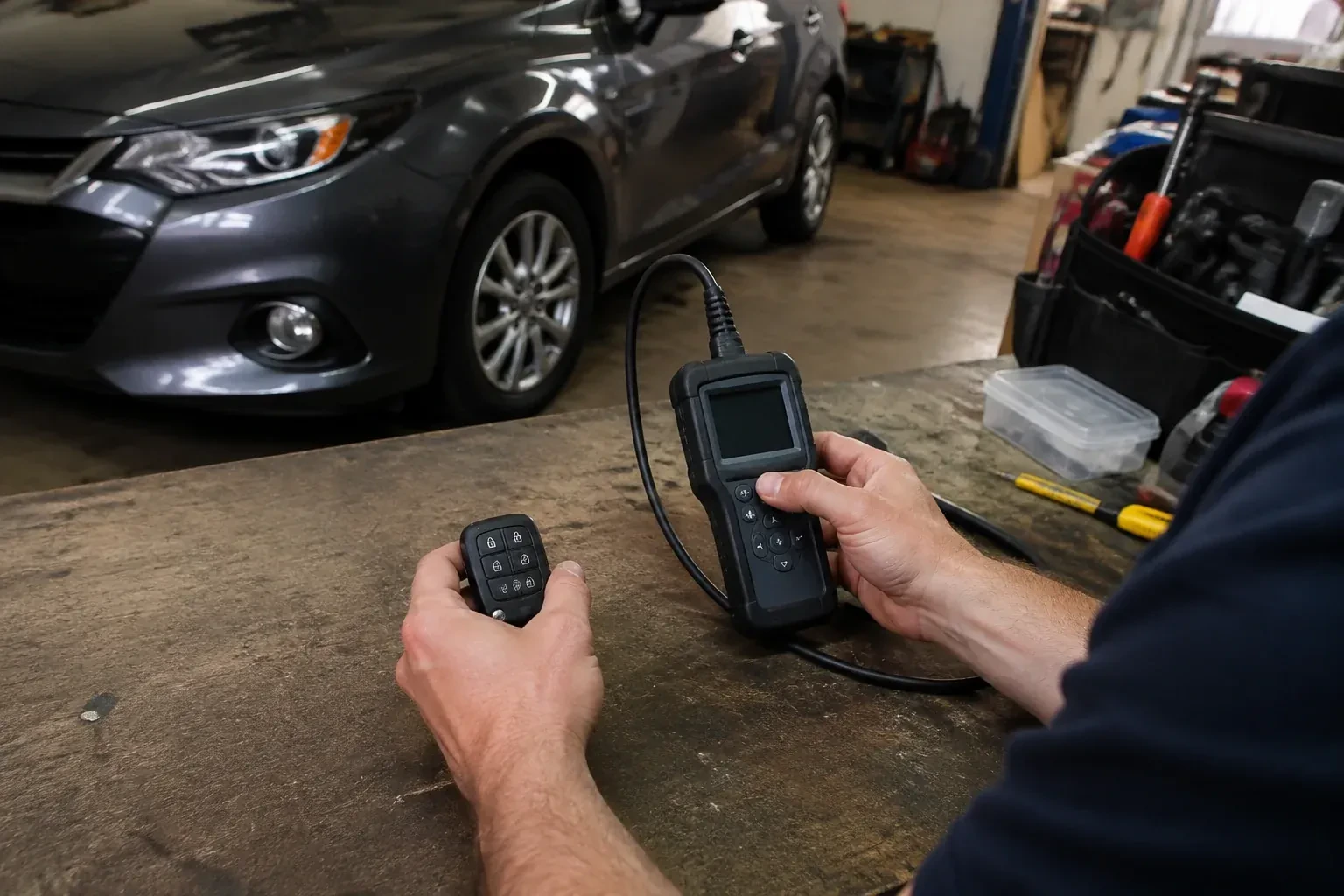
Does key fob programming use my car's diagnostic port?
On most vehicles, yes. The same connection point used for other vehicle diagnostics is typically how a fob's registration procedure communicates with the car's onboard systems. A few older or simpler key systems are programmed through a different in-car sequence instead, which is one more reason the vehicle's year and model are checked before the procedure begins.
Do all motorcycles have an immobiliser these days?
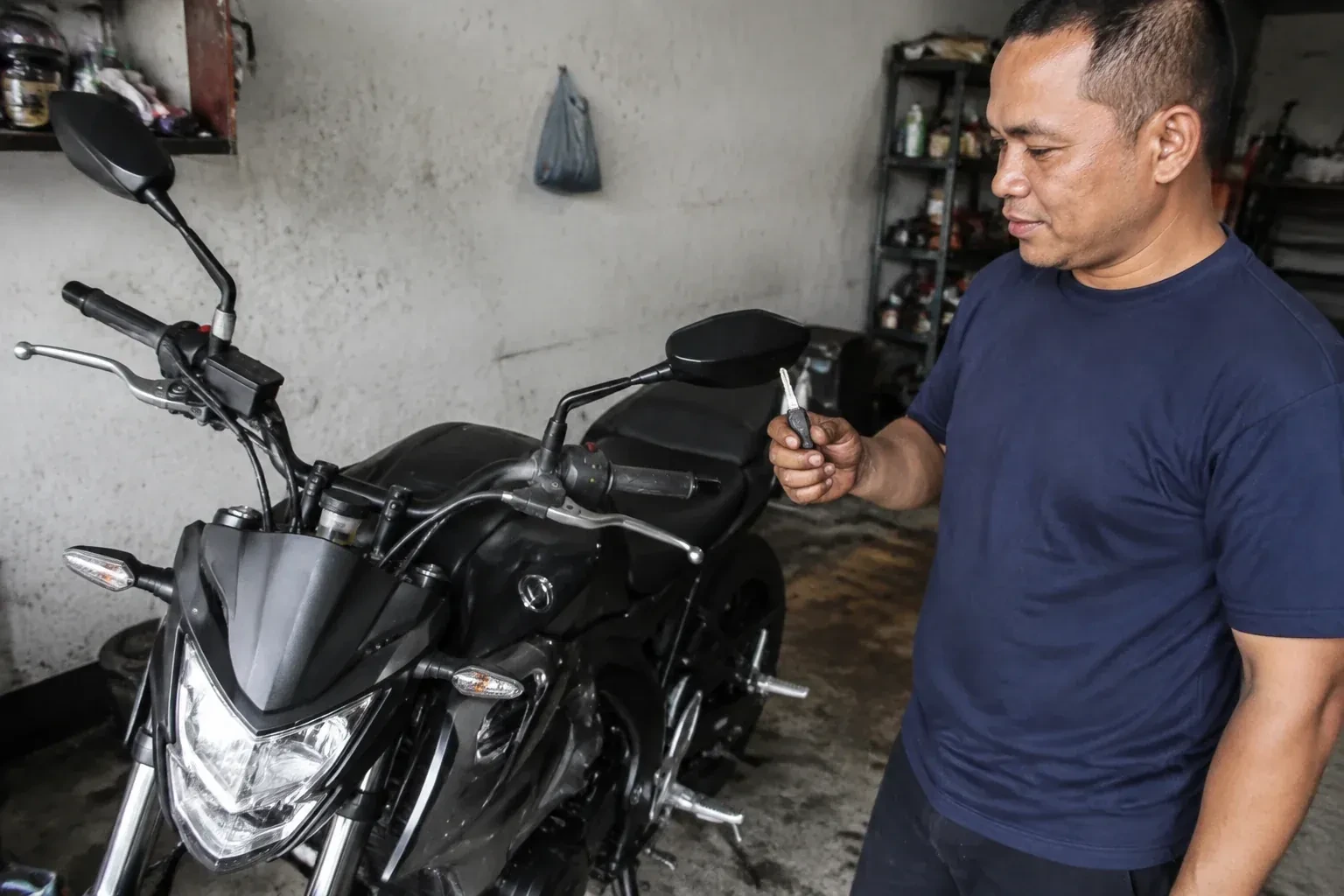
Not all of them. Many machines built in roughly the last two decades carry a transponder chip and an ignition module that checks it, but plenty of smaller-displacement bikes, scooters and older machines still use a purely mechanical lock with no electronic layer at all. The locksmith checks for a coil around the ignition barrel and asks how the engine behaves with the current key to tell which type is on hand.
Request a visit
Hardware for Woodbine Gardens homes is chosen for the door, not the catalogue. We look at the thickness, the bore, the backset, the swing and the finish already on the house, then bring options that fit without new holes or mismatched brass. The result looks as though it was always there, and it locks the way the door deserves.