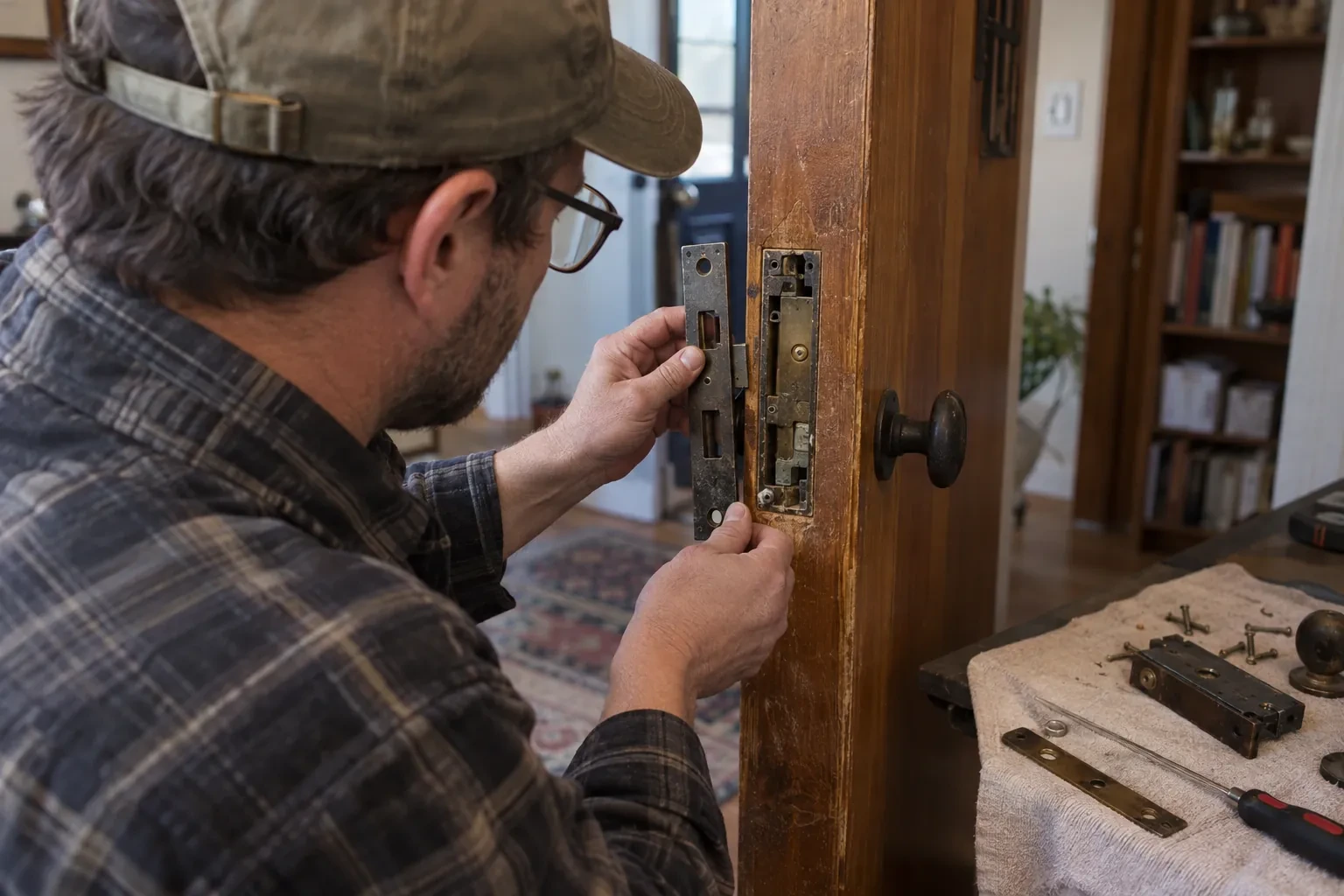
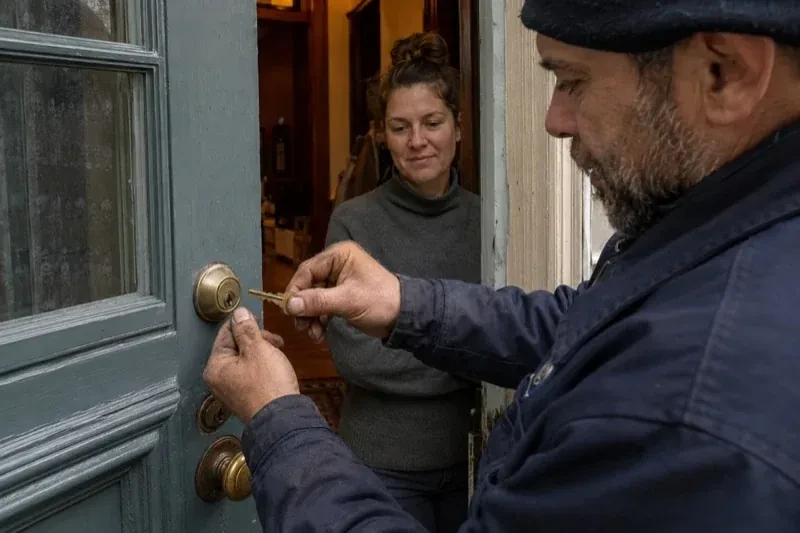
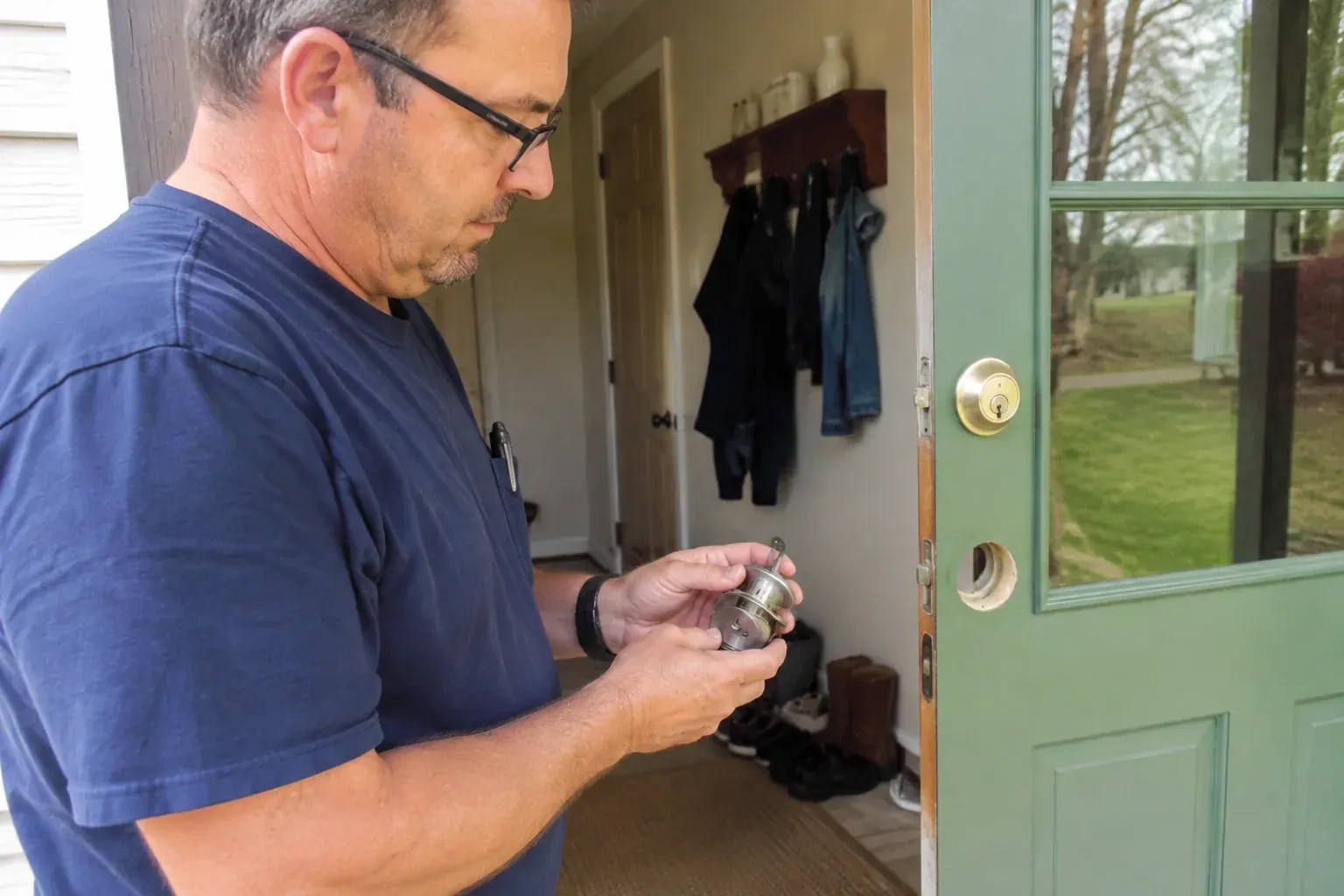
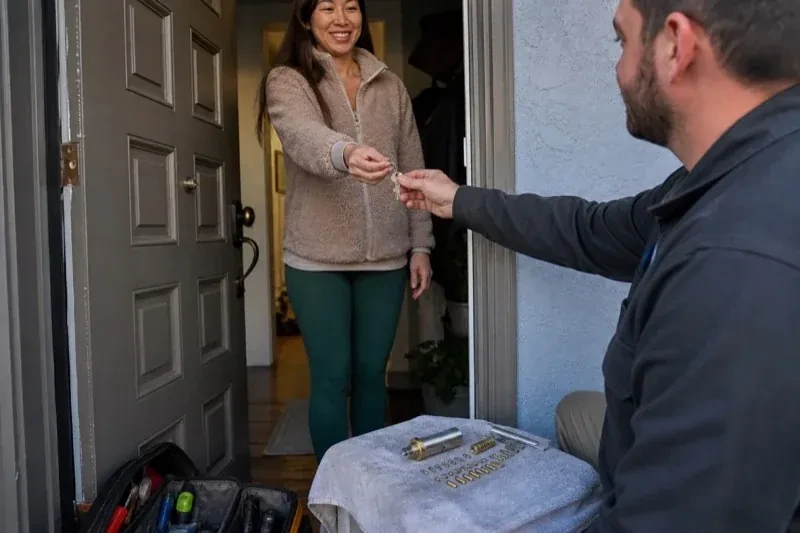
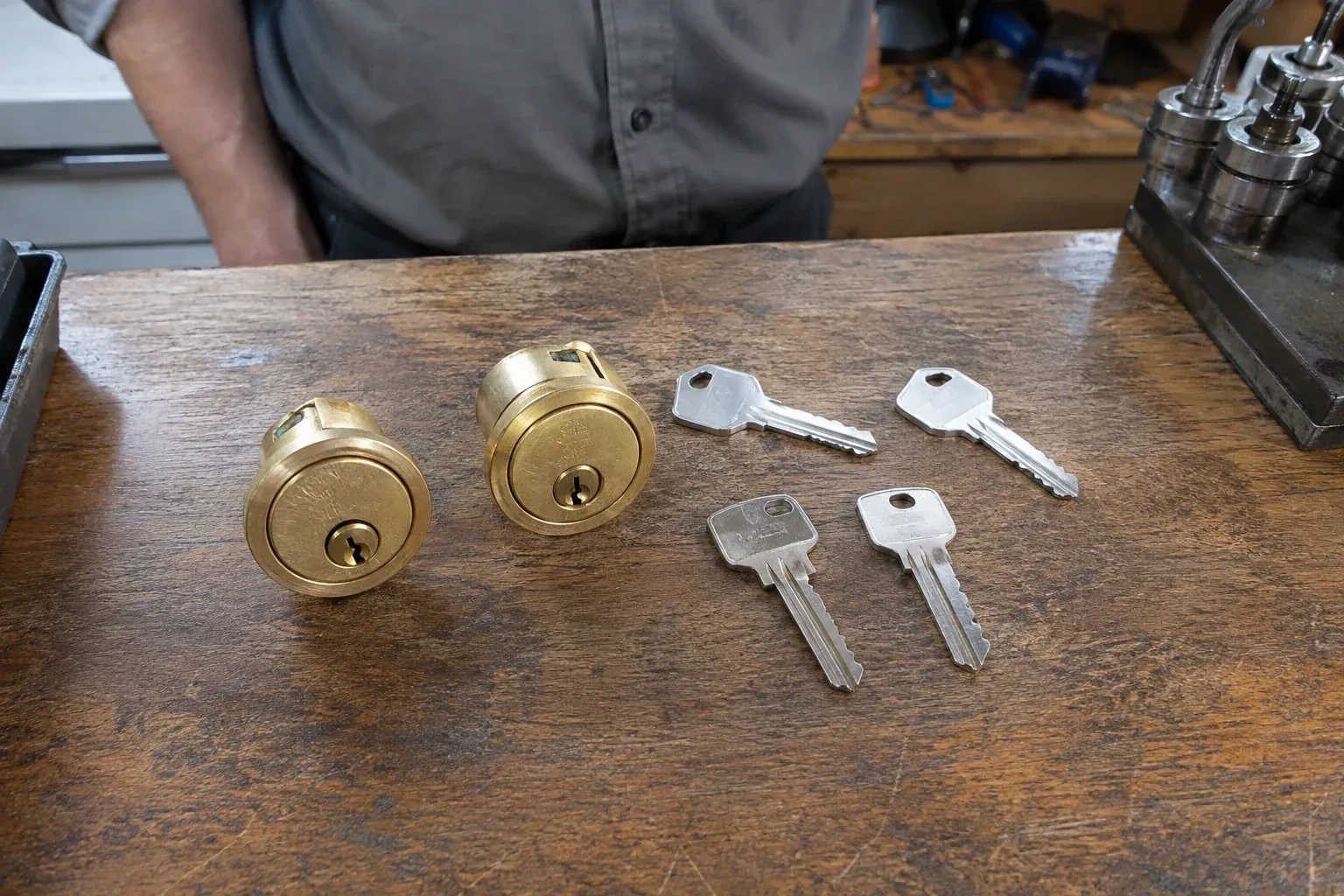
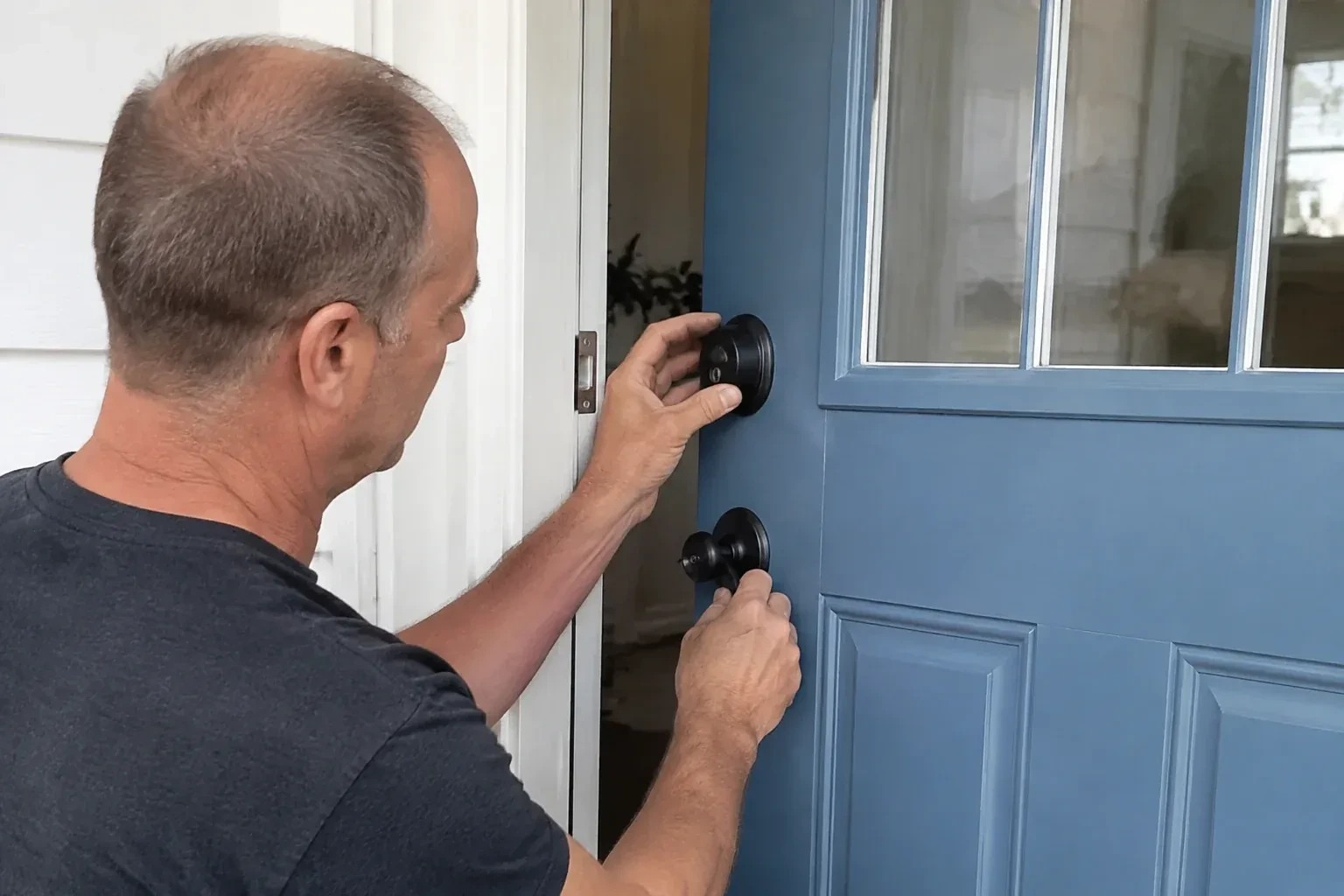
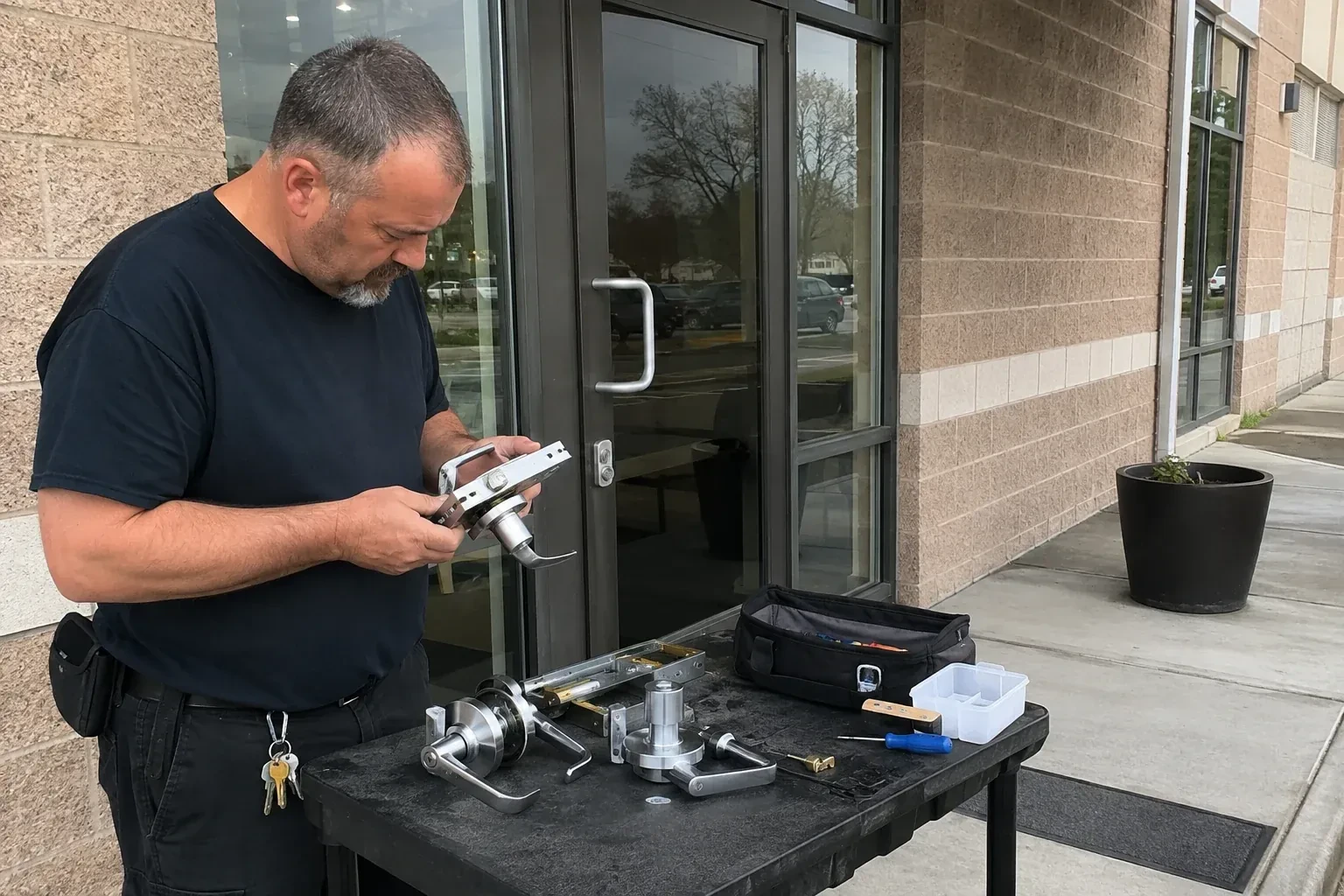
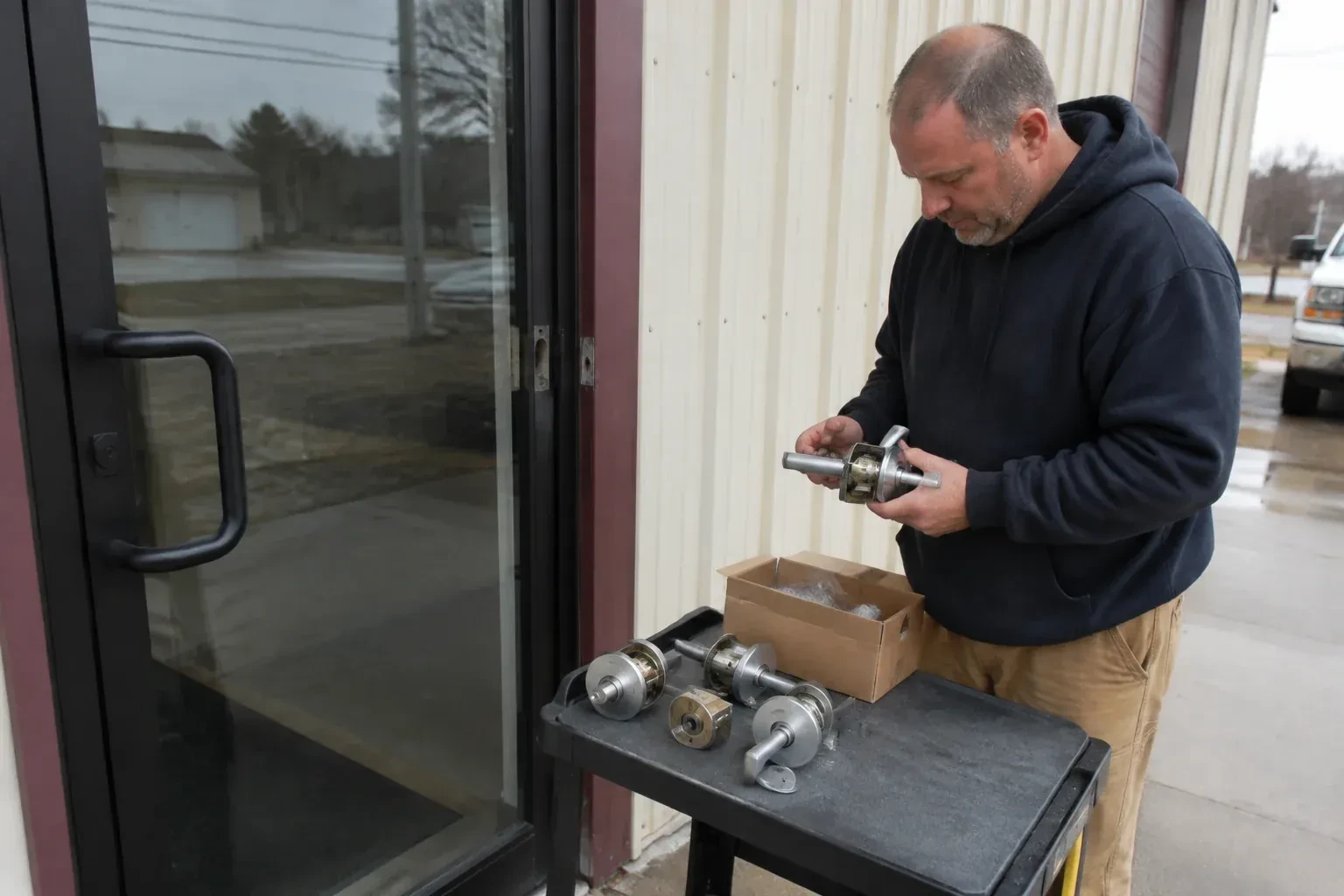
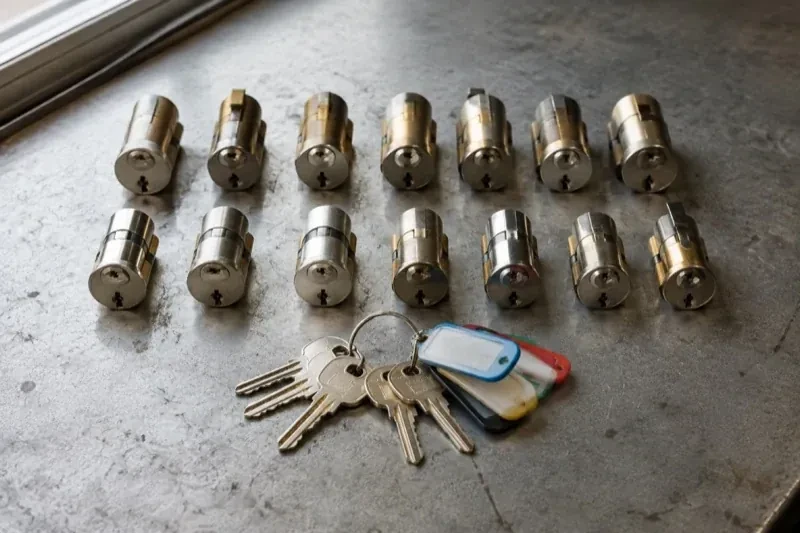
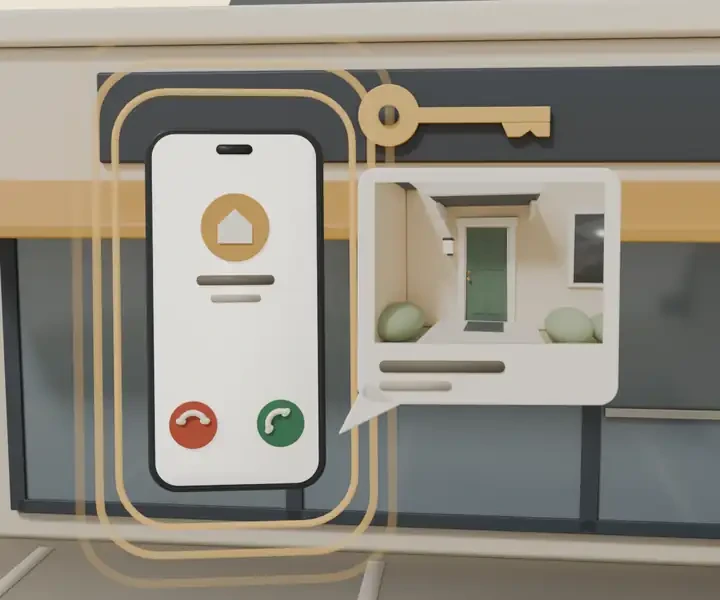
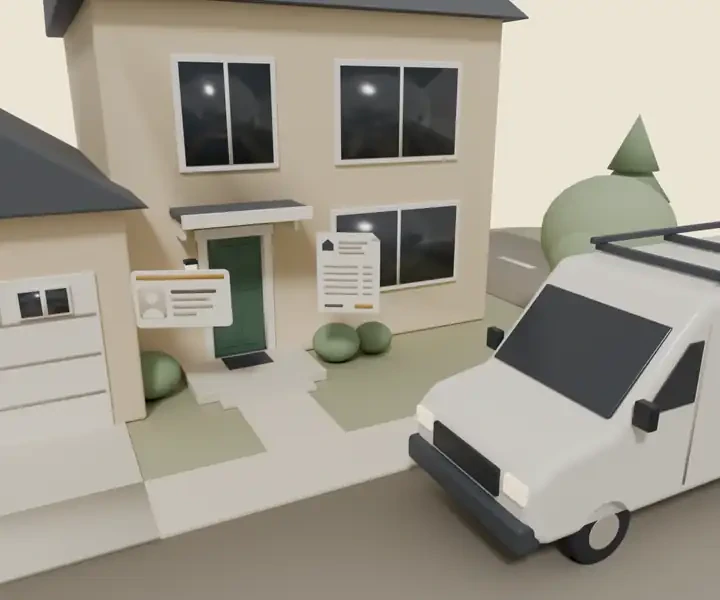
Moving in means someone else's keys are still out there somewhere: a previous owner, a tenant, a contractor. Rekeying every exterior lock to one fresh key is a simple first job in a new place, and we can do it the week you move.
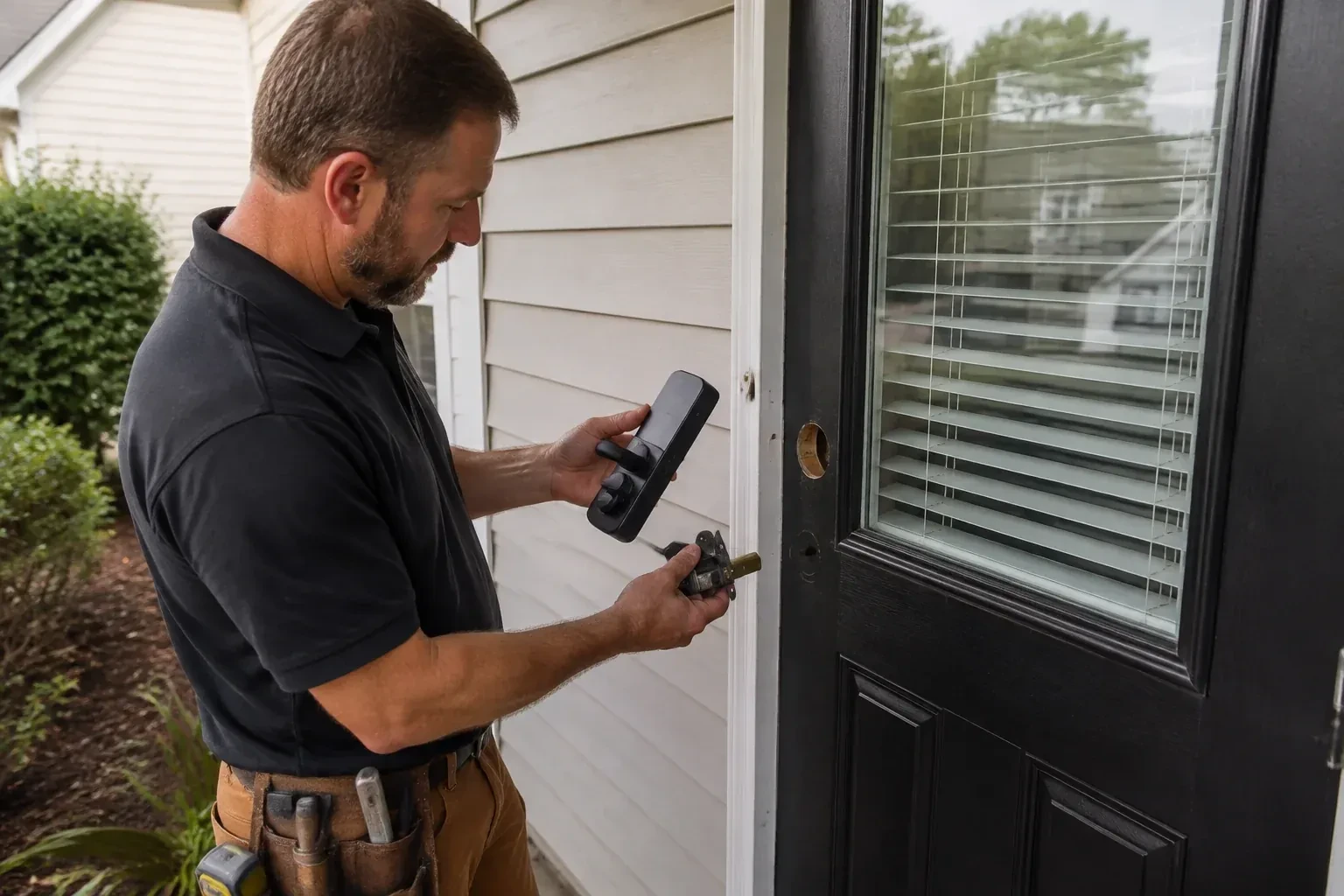
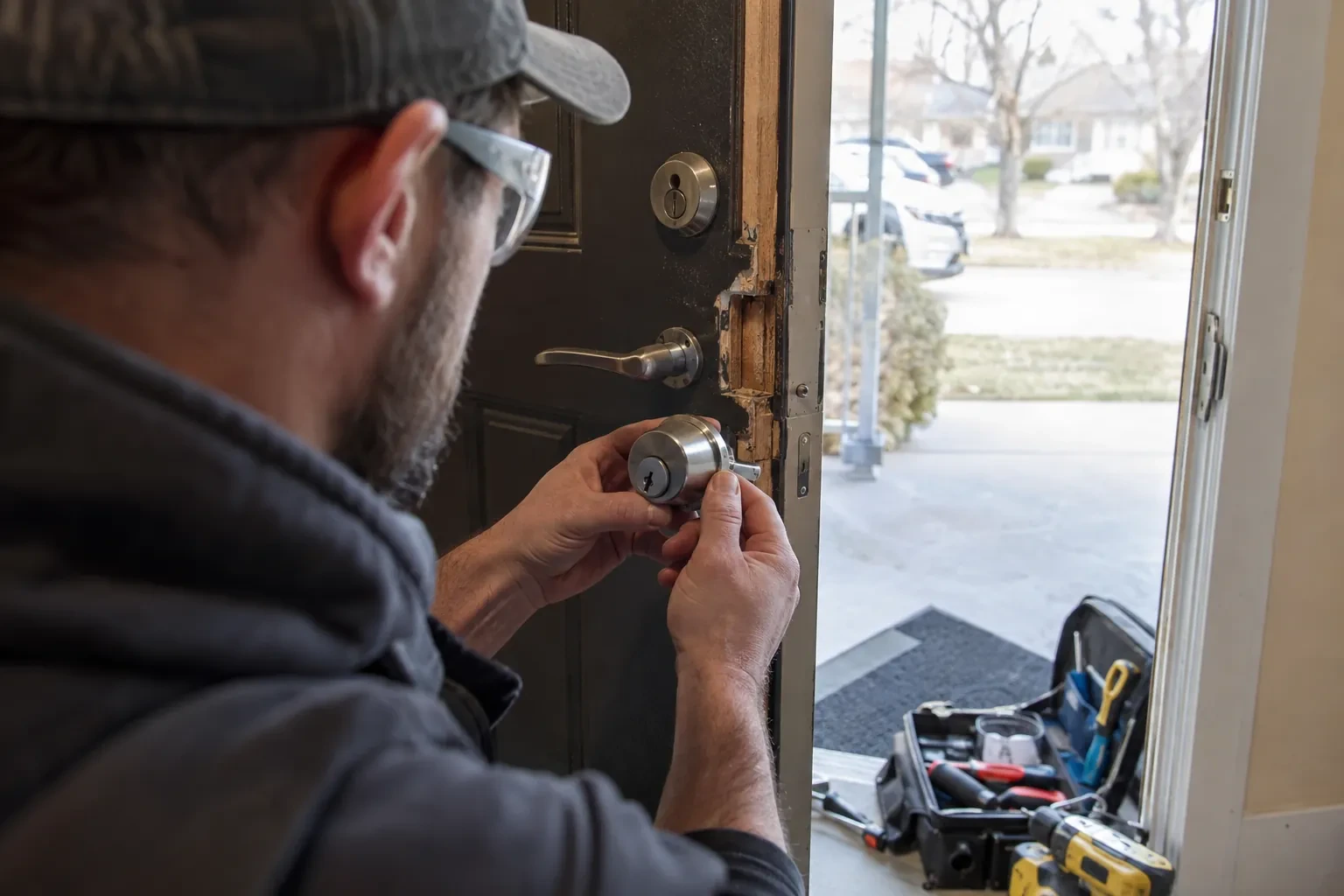
Moving in means someone else's keys are still out there somewhere: a previous owner, a tenant, a contractor. Rekeying every exterior lock to one fresh key is a simple first job in a new place, and we can do it the week you move.
Doors that close, lock and stay locked.
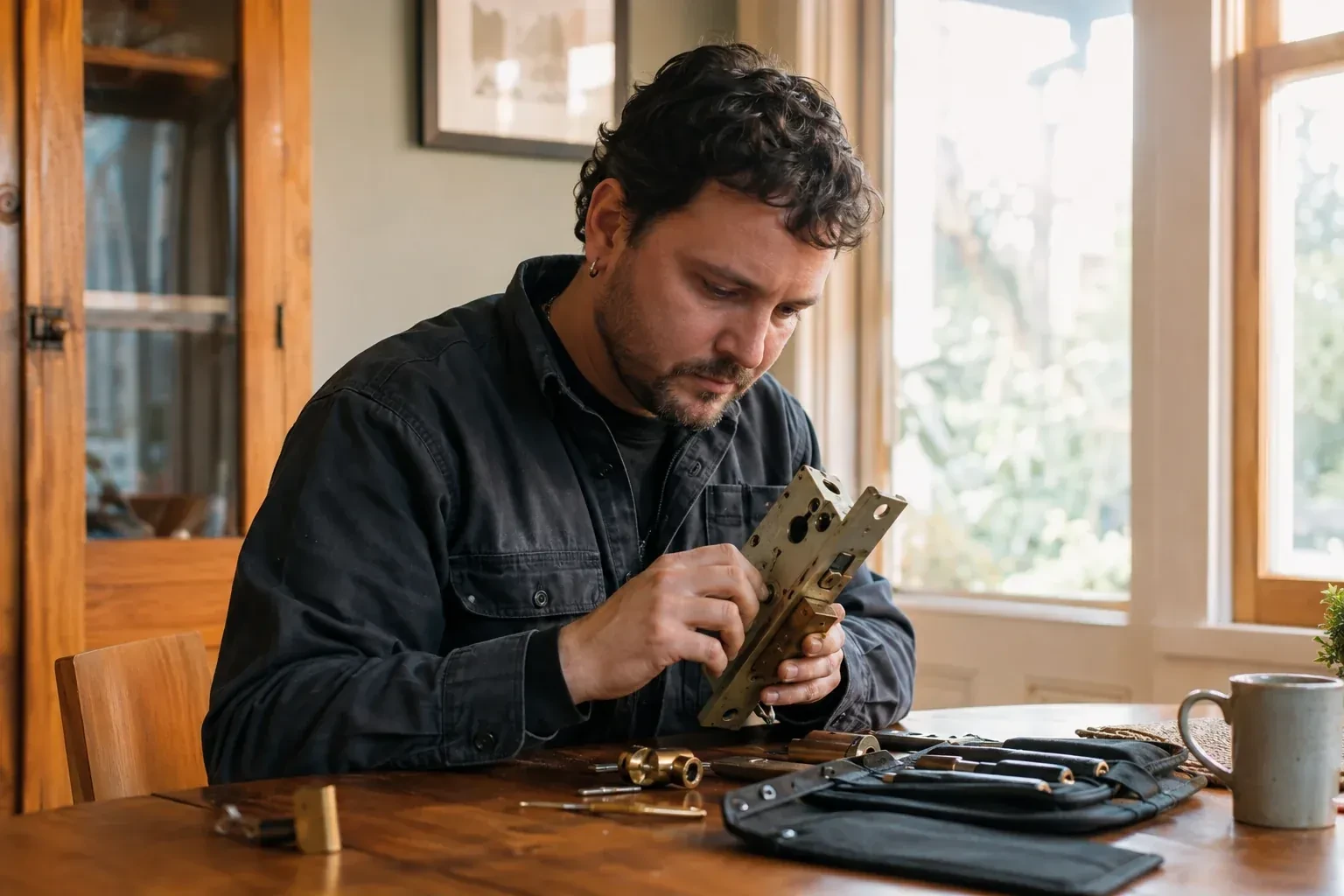
A master key system is a small piece of design work, and we approach it that way. We sit down with whoever runs the building and sketch out who needs to open which doors, where keys must never cross, and how many spare positions to leave for growth. Only then do we pin cylinders and cut keys, so the system still makes sense five years and three staff changes later.
The key you reach for. The door you come home to. Good locksmith work begins with understanding how you use them.
31years in business
24/7open every day
Clear about who can get in. After any rekey or replacement we tell you exactly which keys work and how many copies exist. Key control is the point, and you should have the full picture.
Careful with the building. We protect floors and finishes, work around your day where we can, and treat a shop or office with the same care as a home.
The choice explained in your terms. Rather than product names, we talk about what each option means for you: who has access, how it copes with weather, how easy it is to change later.
Every service here is something we do week in, week out, not a line added to look thorough. If you would rather talk than read, the phone number at the top goes straight to someone who can tell you whether the job is a small fix or a planned visit.
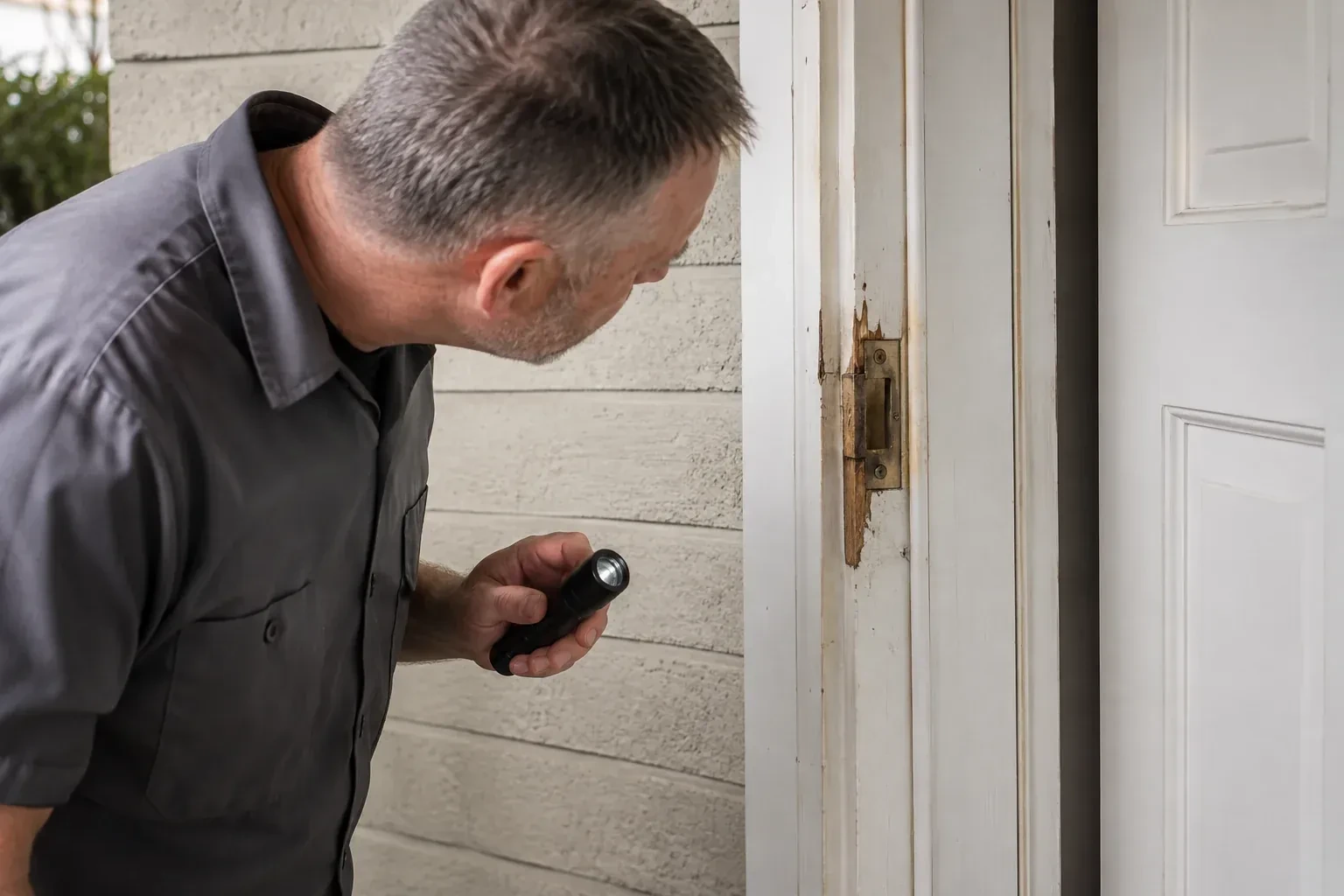
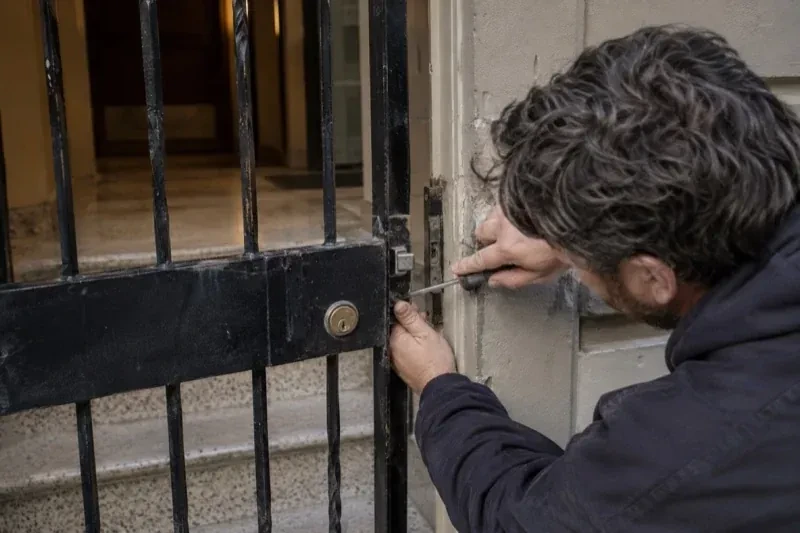
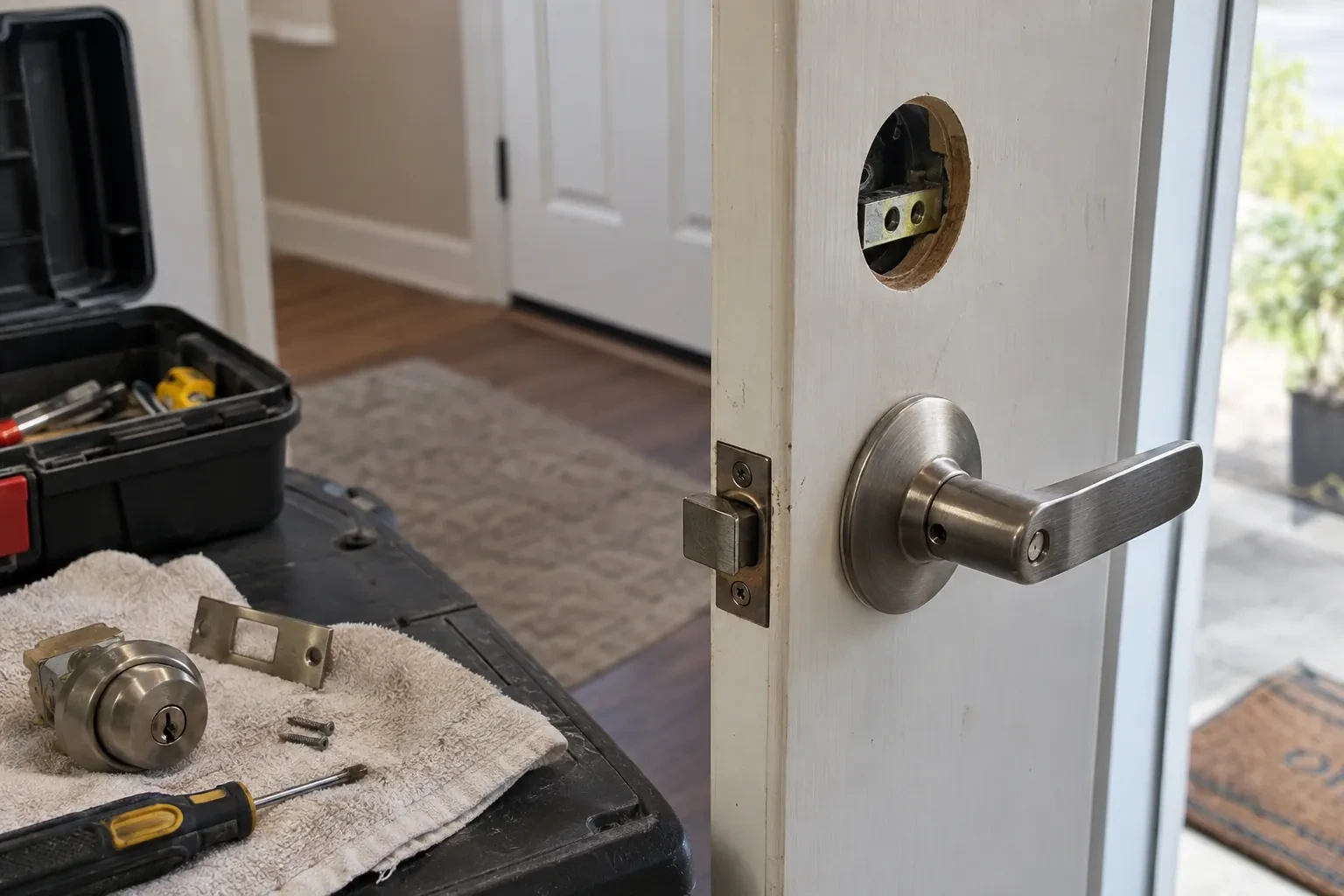
Someone tried the door last winter. The frame took it, but the strike plate is bent, one screw hole is stripped, and the bolt sits in the pocket at a slight angle. It still locks, and it still bothers you every night.
The whole key ring went missing somewhere between the grocery store and the bus. You got back in with the spare, but a set of keys is out there, and you would sleep better knowing they open nothing.
The restricted keys you bought years ago are no longer restricted; the locksmith mentioned the patent has run out and blanks are sold openly. Your key control quietly stopped being control.
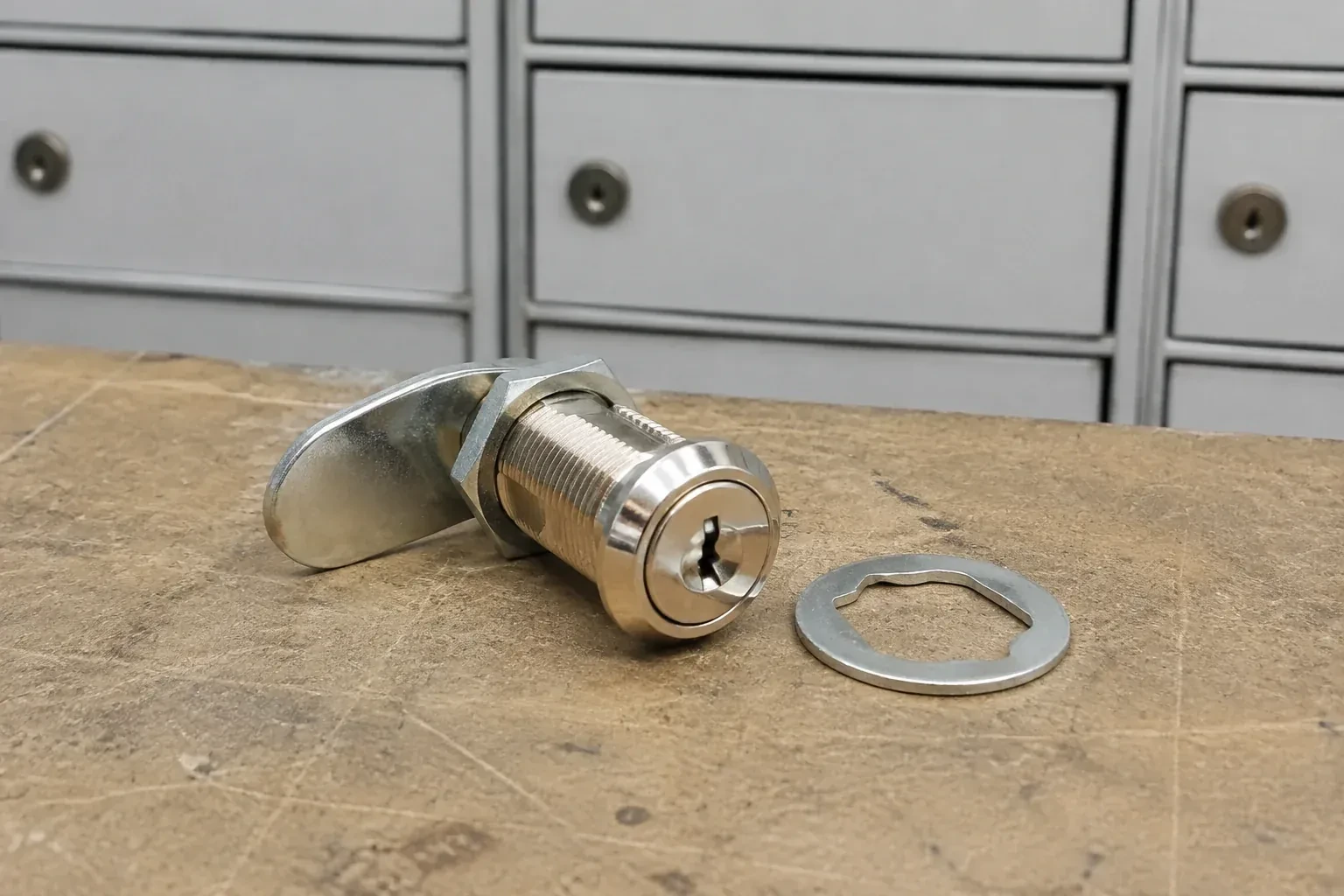
Key control is the part people underrate. A patented keyway means blanks are not sold openly and a copy needs an authorised name, so the count of keys stays known. This section explains how that works alongside the hardware that resists force.
You have lost count of how many people have had a key to your house over the years: cleaners, a contractor, a former partner, the previous owner's family.
A commercial lockout can mean a locked front door with customers arriving, a jammed back door with a delivery waiting, or a stockroom key gone missing during a shift. Business lockout work opens the door, checks the lock and gets the day back on track.
A software update reset the clinic's small safe overnight, and the receptionist's usual code now does nothing on a keypad that lights up but goes no further.
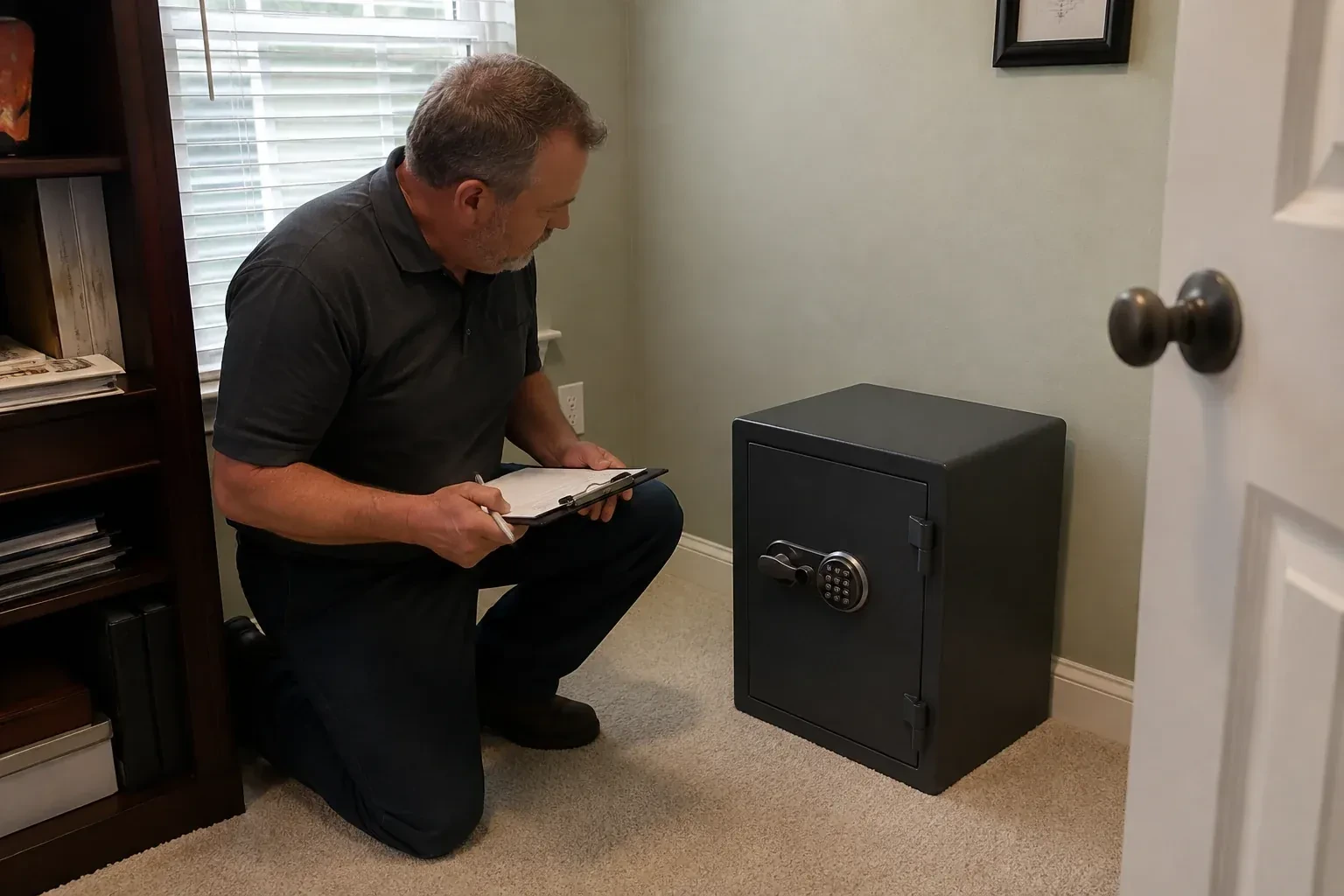
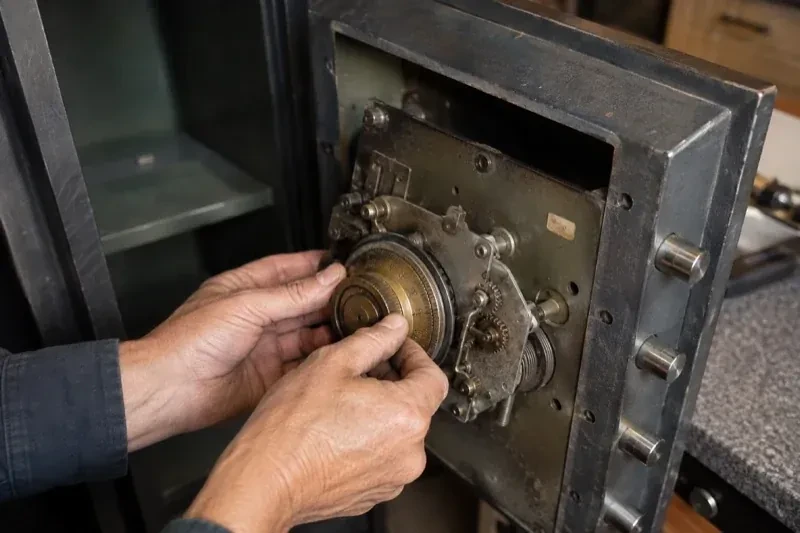
A homeowner inherited a heavy old dial safe from a parent's house, moved it into the new place, and has no idea whether the bolt-work still works, whether the lock is sound, or how it should be anchored.
WhyA rekeying visit follows a straightforward order.
How a visit goes
Describe the property, the hardware and what has changed, and the visit starts from what you have seen.
1
2
3
01
A look inside the keyway
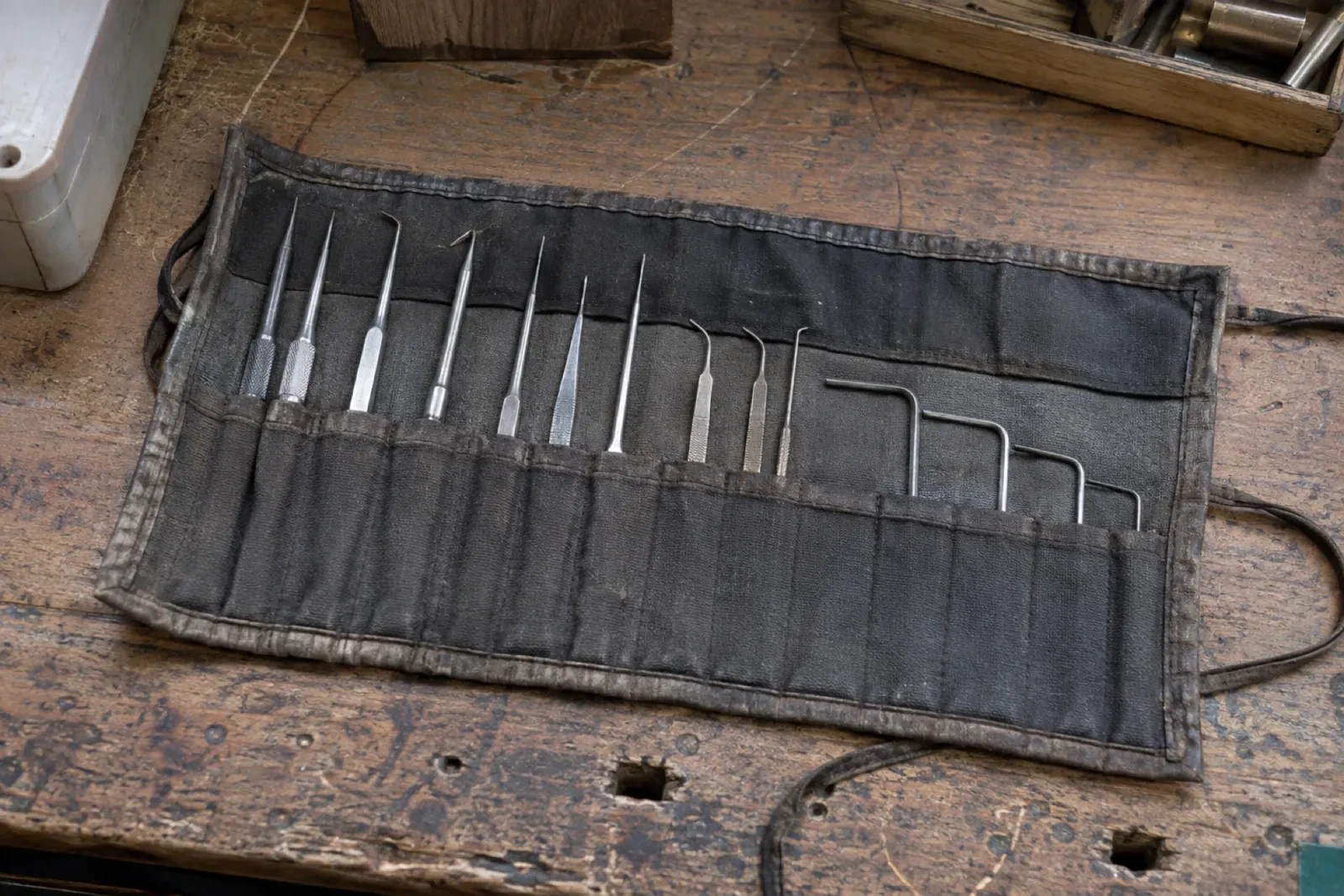
We check how deep the fragment sits and whether the cylinder was already worn or dry. That tells us how to draw the piece out without pushing it further.
02
Drawing the piece out
With extraction tools and patience the broken blade comes out whole. We clean and lubricate the cylinder so the next key goes in smoothly.
03
Cutting a fresh key
A key that snapped was usually tired. We cut a new one from the two halves or from the lock itself, test it and suggest retiring any other worn copies.
About 58% of homes in Toronto were built in 1980 or earlier, according to the 2021 Census.
Older homes
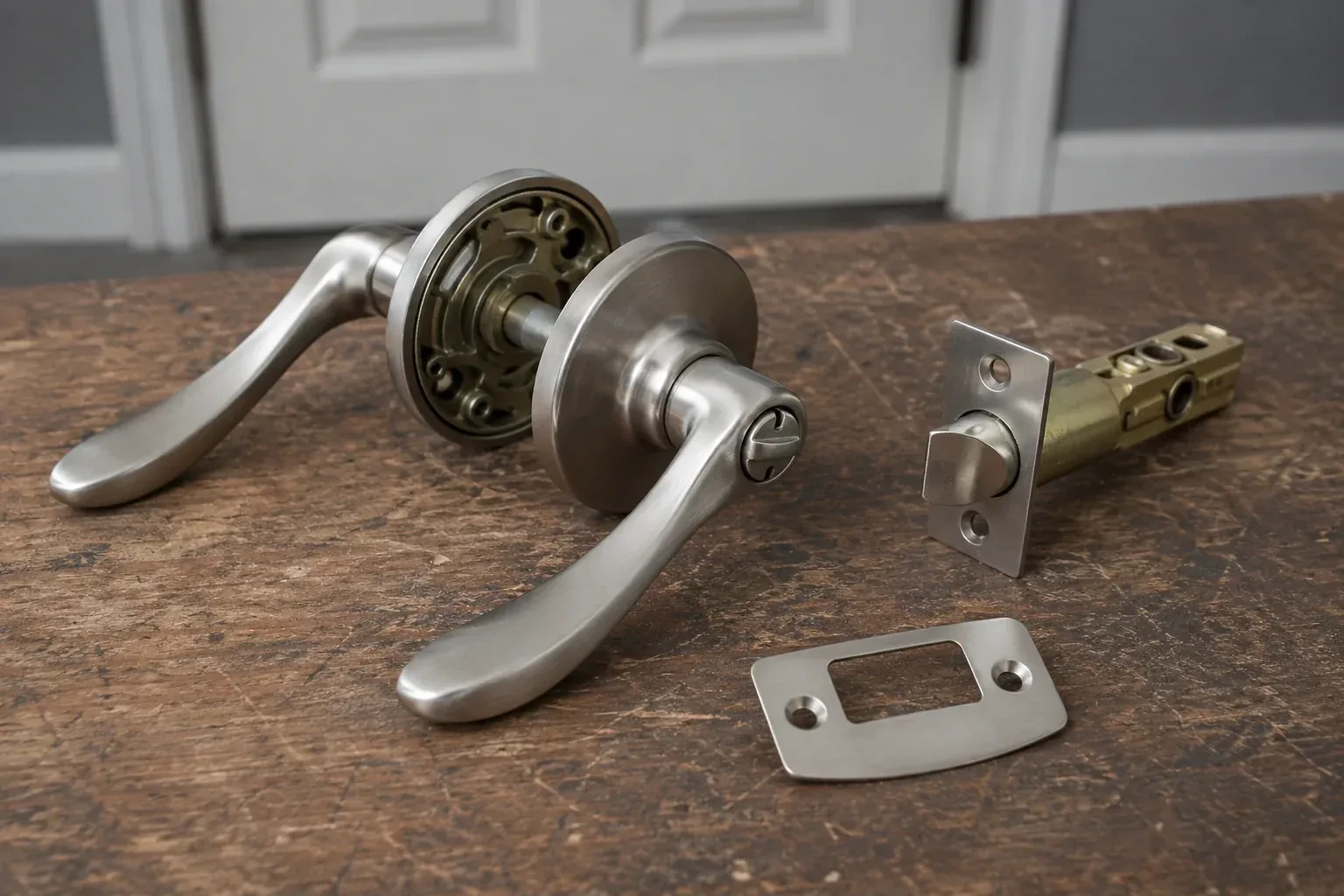
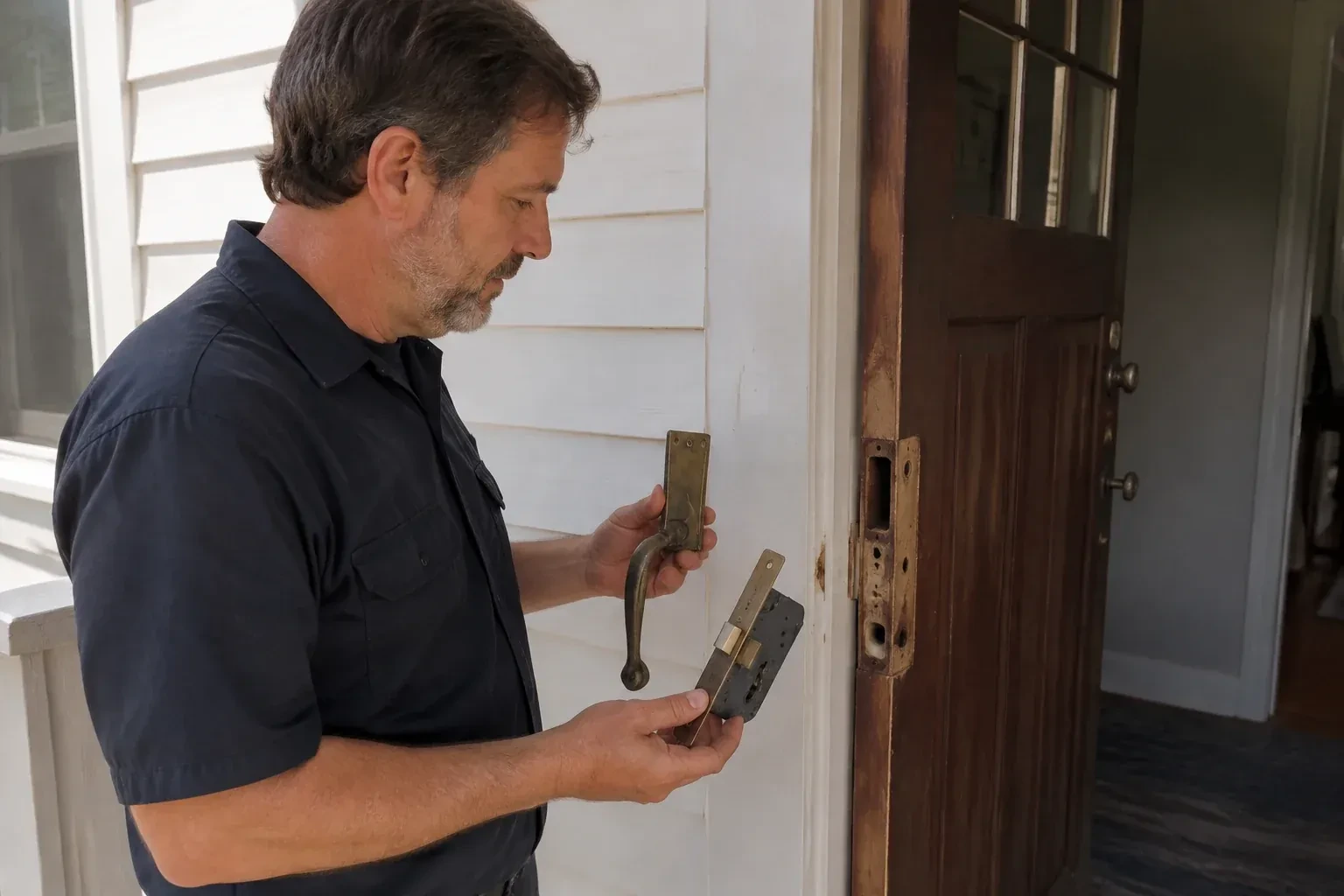
Period hardware on older homes deserves matching parts, not a mismatched modern set. A locksmith who works among such houses keeps finishes and styles that suit them, so a repaired or replaced lock still looks like it belongs to the door.
Single-detached houses make up about 23% of homes in Toronto (2021 Census).
Townhouses share walls but usually have their own front door and often a back door or garage. Keying both alike, and checking the strike on the less-used door, is the everyday work in a neighbourhood of attached homes.
How long should we set aside for a commercial rekey?
It depends on the count and the mix. A shop with a front door, a back door and a stockroom is a short visit; an office suite with a dozen lever sets, a master key plan and a mailbox takes a good part of a day. Interchangeable cores are the shortest of all, since they are swapped rather than repinned on site. The locksmith gives a time estimate at the assessment, once every cylinder has been counted.
Can all our doors be put on a single key?
Yes, if the cylinders share a keyway or can be fitted with ones that do. Keying everything alike is popular with small shops because staff carry one key and spares are simple. The trade-off is that one key then opens the cash room as readily as the front door. Many businesses choose a middle path: the doors everyone uses on one key, the sensitive rooms on another, and an owner's master that opens both.
What do you do with the old keys?
They are gathered, tested at each rekeyed door to confirm they no longer work, and then cut through so they can never be used or copied. You can keep the pieces or the locksmith takes them away. Any old key that still operates a door you chose to leave unchanged is handed back and noted on the chart, so it is clear which keys remain live and which are scrap.
Is a smart lock more secure than a high security mechanical lock?
They solve different problems. A keypad or smart lock manages who can enter and when, and many have no keyway to pick. A high security mechanical lock resists physical attack and controls key copying without batteries, apps or connectivity. Many businesses use both: electronic access on high-traffic doors and high security cylinders on rooms that must hold regardless of power. The locksmith helps you match the tool to each door rather than choosing one philosophy.
Request a visit
When you call from Toronto, a locksmith answers, not a dispatcher reading a script. He asks what the door is doing, tells you what the visit will likely involve, and arranges a time. The assessment and the price happen at the door, once he has seen the hardware. The same person who took the call is the one who does the work.