Locksmith in Cliffside, OntarioA tidy locksmithfor tidy homes in Cliffside
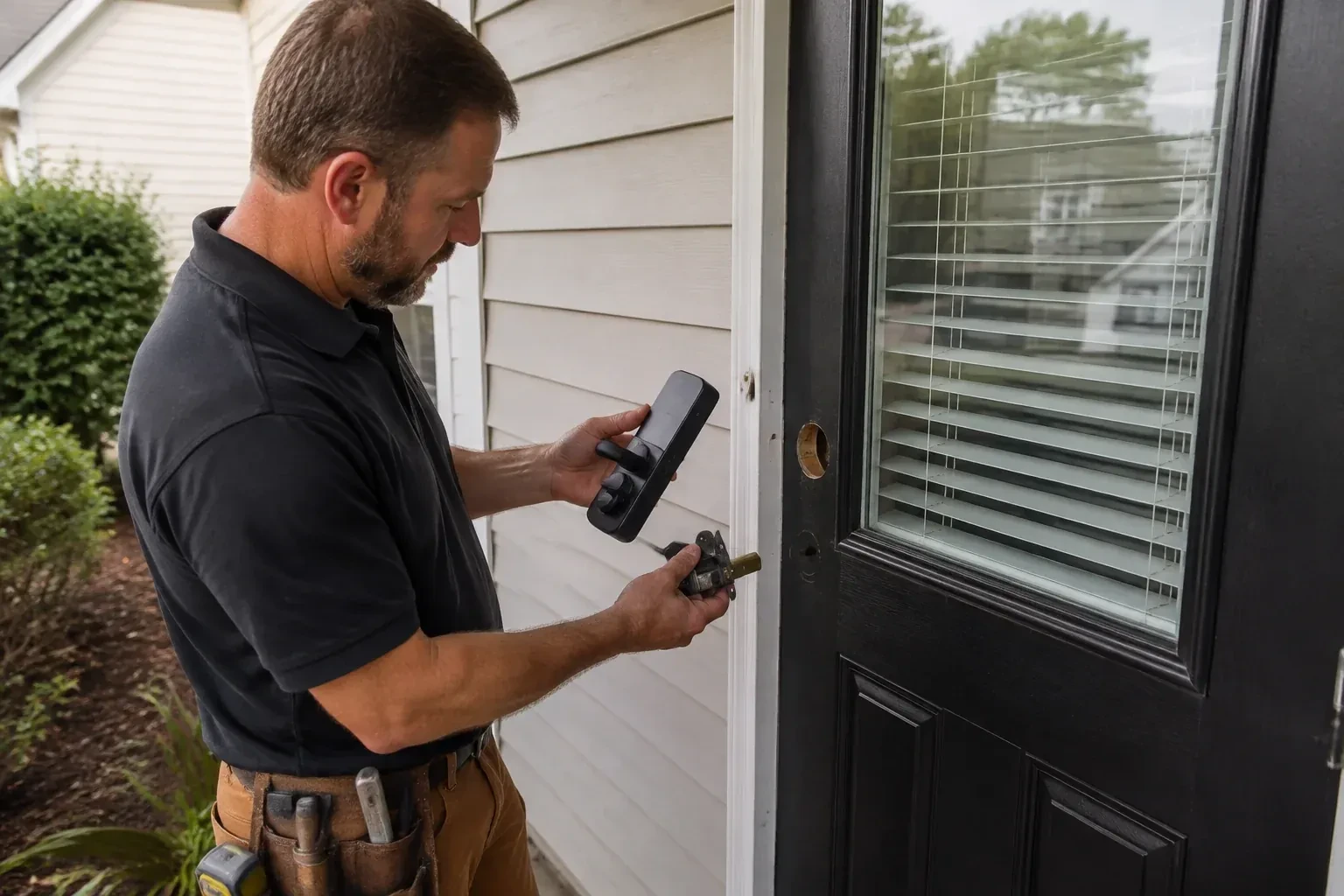
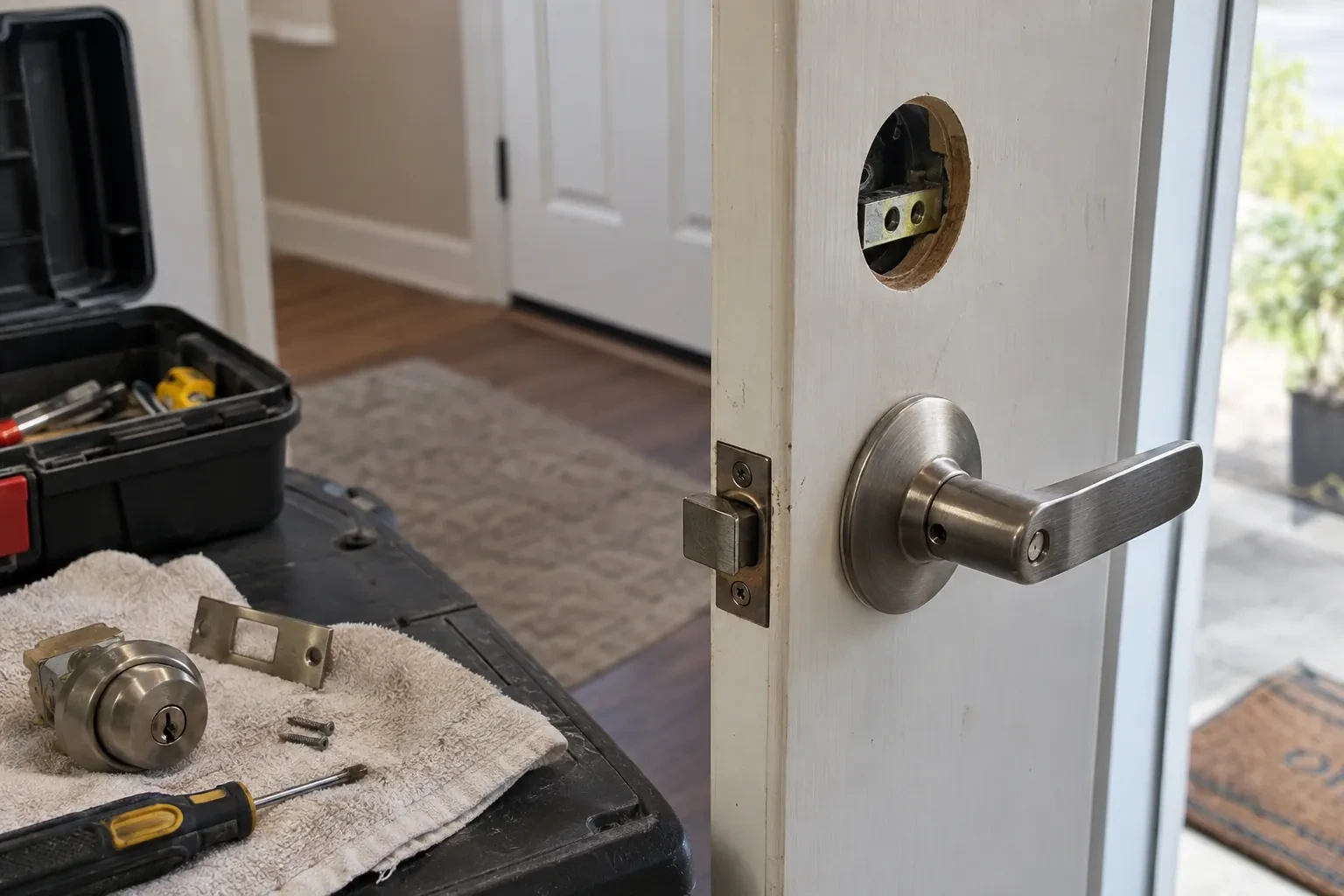
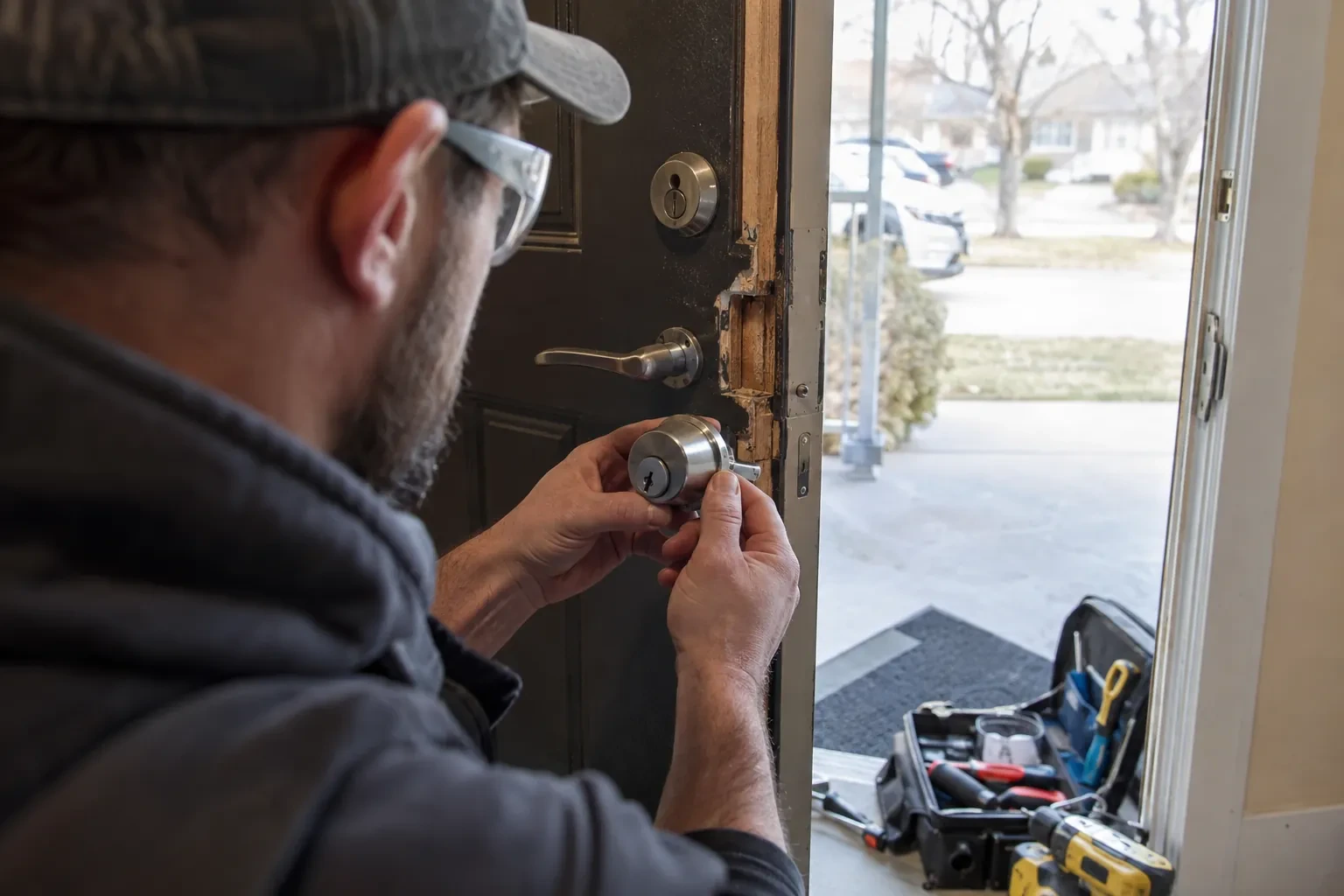
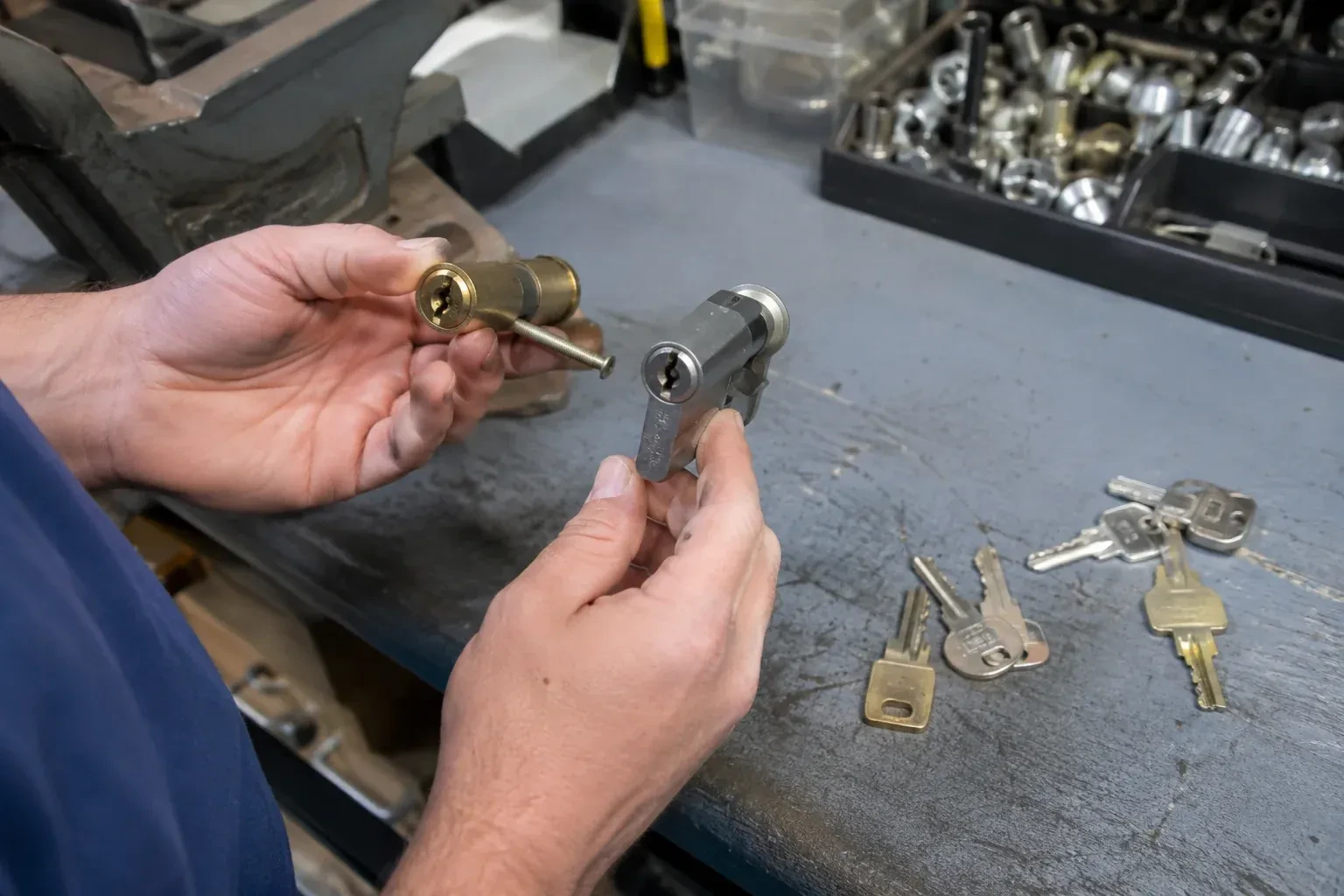
Lock work makes brass shavings, sawdust and small screws that roll under furniture. We put a drop sheet down, catch the mess, and vacuum before we go. Homeowners in Cliffside should be able to tell we were there only by the way the door now locks, not by anything left behind.
Lock work makes brass shavings, sawdust and small screws that roll under furniture. We put a drop sheet down, catch the mess, and vacuum before we go. Homeowners in Cliffside should be able to tell we were there only by the way the door now locks, not by anything left behind.
Doors that close, lock and stay locked.
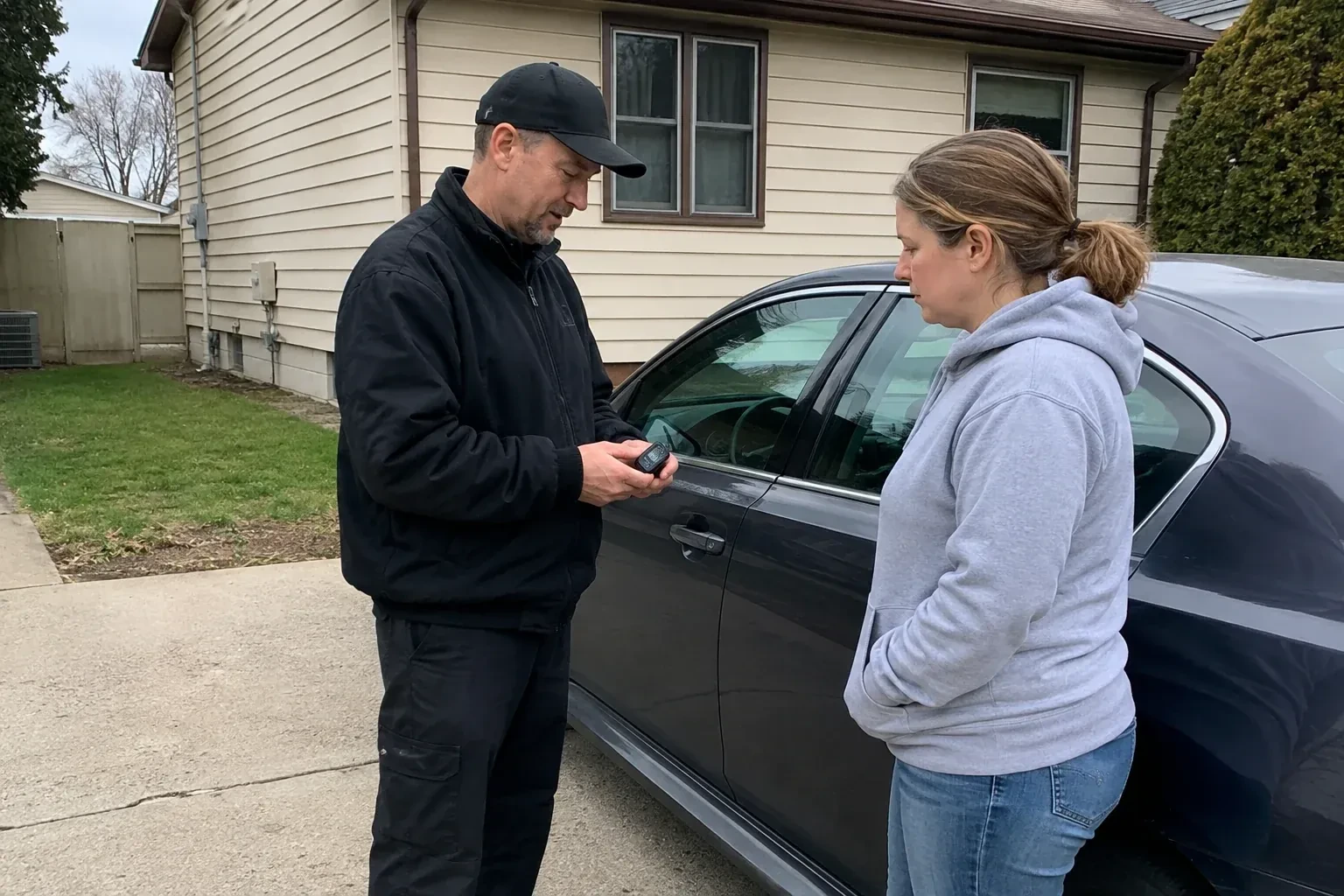
We plan visits around how people in Cliffside live. A shop wants the work done before opening or after close. A family wants a time when someone is home and the dog is put away. A landlord wants the unit done between tenants. Tell us the window that suits you and we build the day around it, then call when the van is on its way.
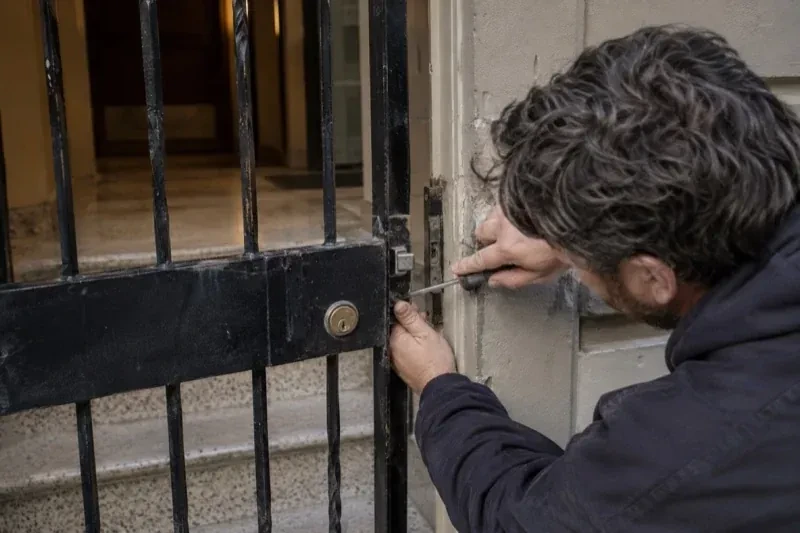
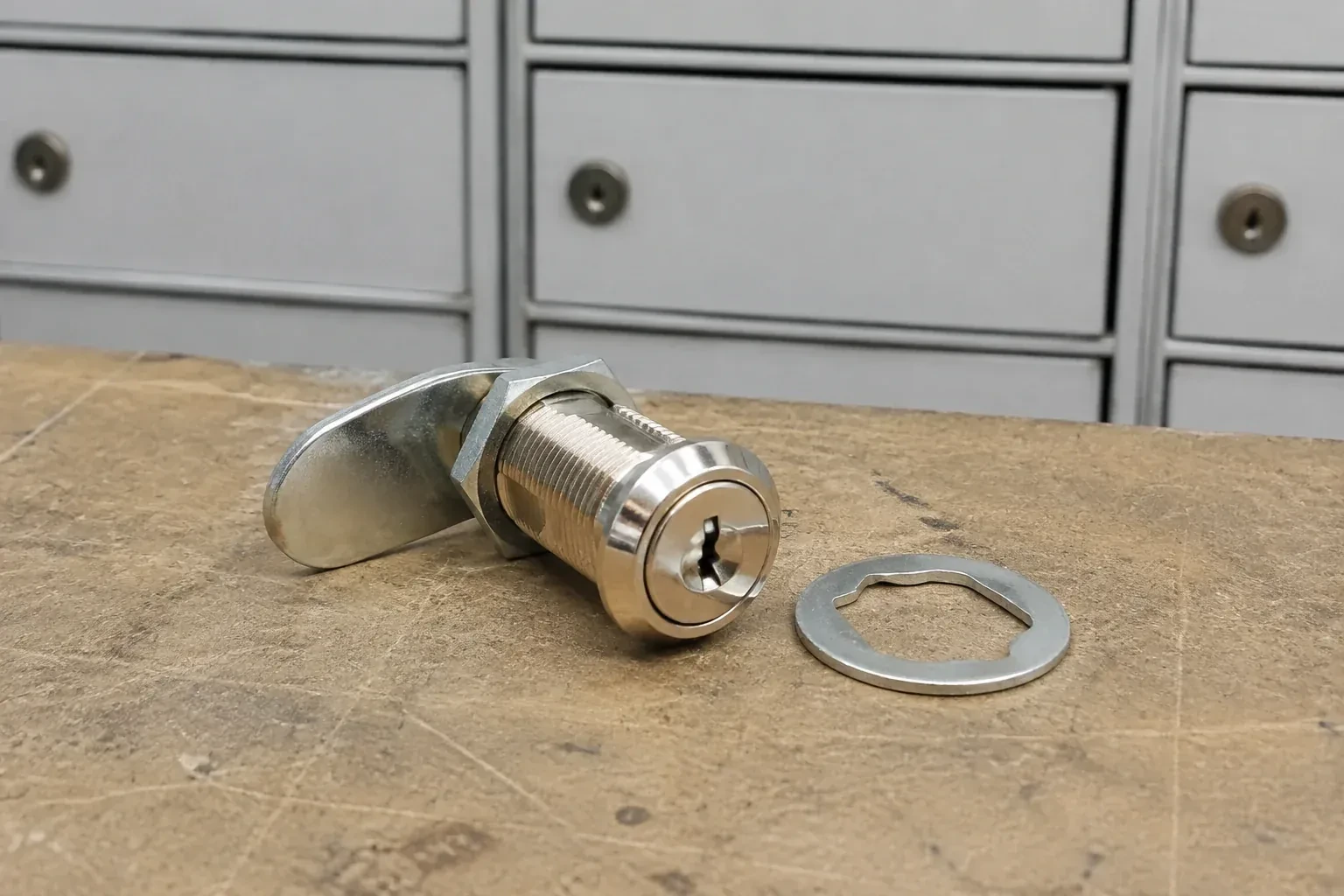
Mailboxes, gates, sheds and garages in Cliffside have locks too, and they fail in the same ways as front doors. We replace mailbox cylinders, fit gate locks that survive the weather and rekey outbuildings to match the house key where possible. It is small work that makes a property feel properly looked after.
31years in business
24/7open every day
Clear about who can get in. After any rekey or replacement we tell you exactly which keys work and how many copies exist. Key control is the point, and you should have the full picture.
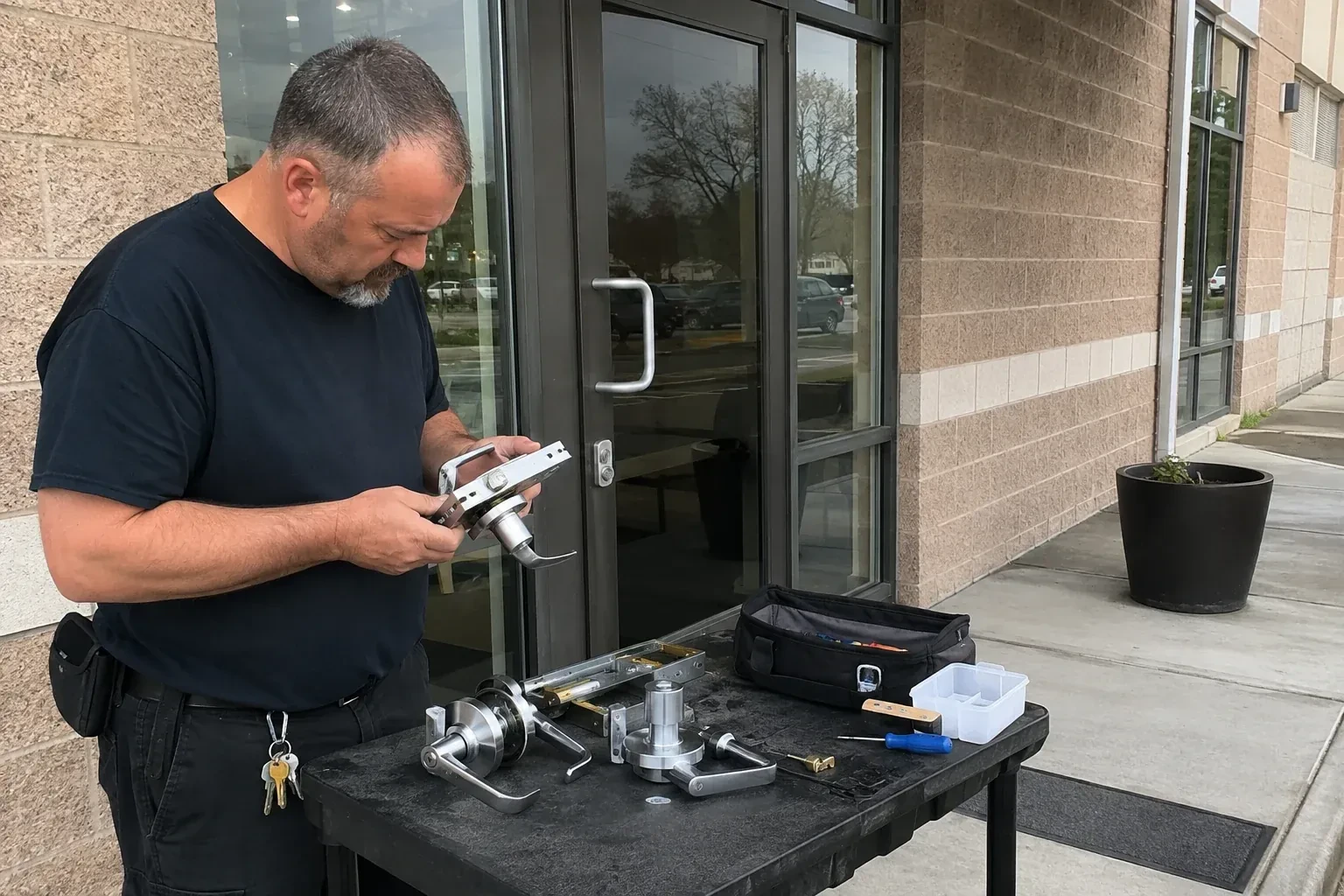
Careful with the building. We protect floors and finishes, work around your day where we can, and treat a shop or office with the same care as a home.
The choice explained in your terms. Rather than product names, we talk about what each option means for you: who has access, how it copes with weather, how easy it is to change later.
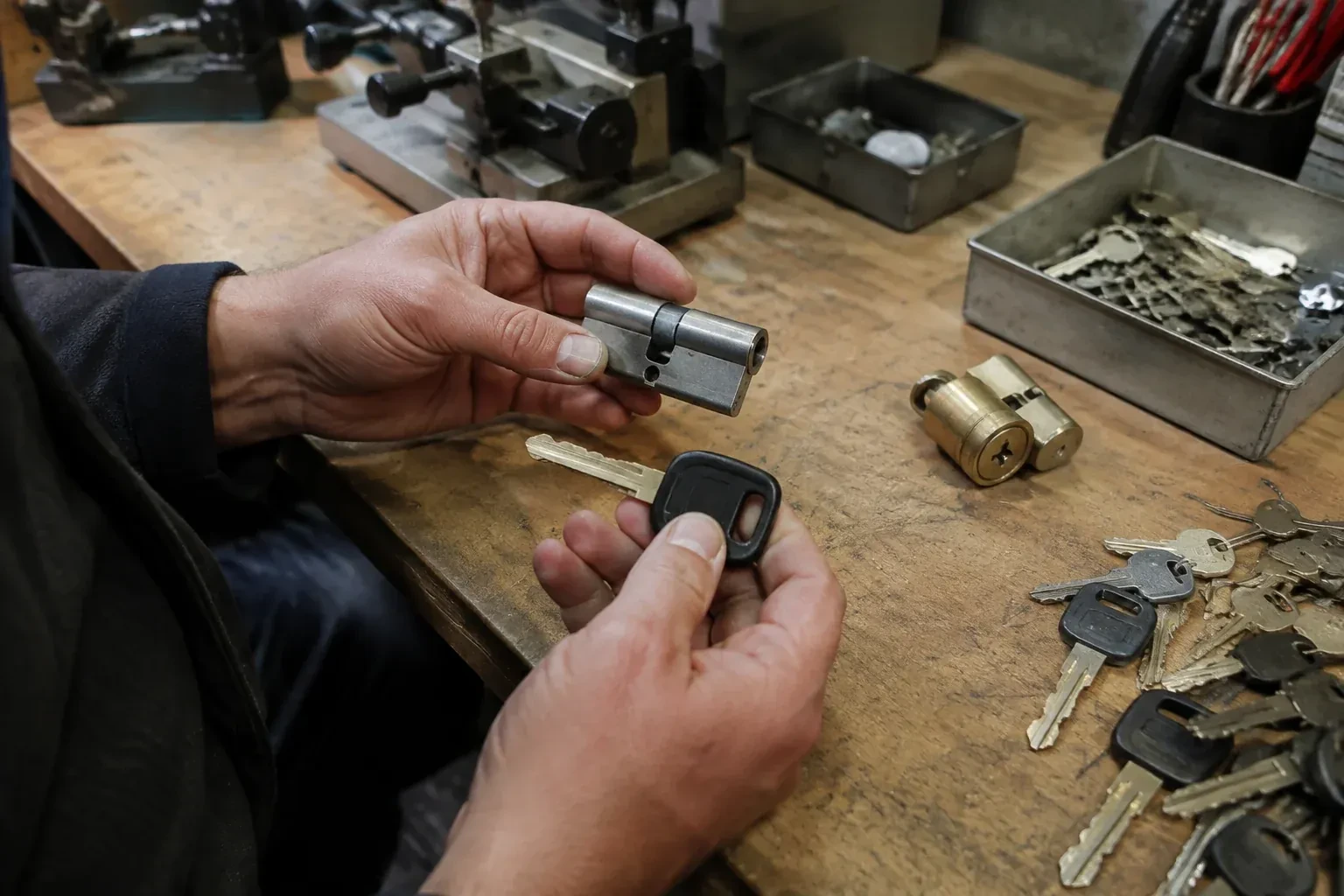
This is the working list of services for Cliffside: the jobs a locksmith gets asked to do week in and week out. Lockouts and broken keys. Rekeys and lock changes. Deadbolts, high-security cylinders and smart locks. Commercial hardware and master key systems. Safe opening. And key cutting, house and vehicle alike.
About 58% of homes in Toronto were built in 1980 or earlier, according to the 2021 Census.
Older homes
Older homes tend to have had many hands on their doors: owners, tenants, tradespeople, family. A locksmith visiting such a house pays attention to who holds keys now, and rekeying or a keyed-alike set often matters more than any new hardware.
Single-detached houses make up about 23% of homes in Toronto (2021 Census).
Shared entrances mean fobs, intercoms and buzzers alongside conventional locks. A locksmith can service the mechanical side of those doors and advise on how the fob system and the cylinder work together when management asks.
A software update reset the clinic's small safe overnight, and the receptionist's usual code now does nothing on a keypad that lights up but goes no further.
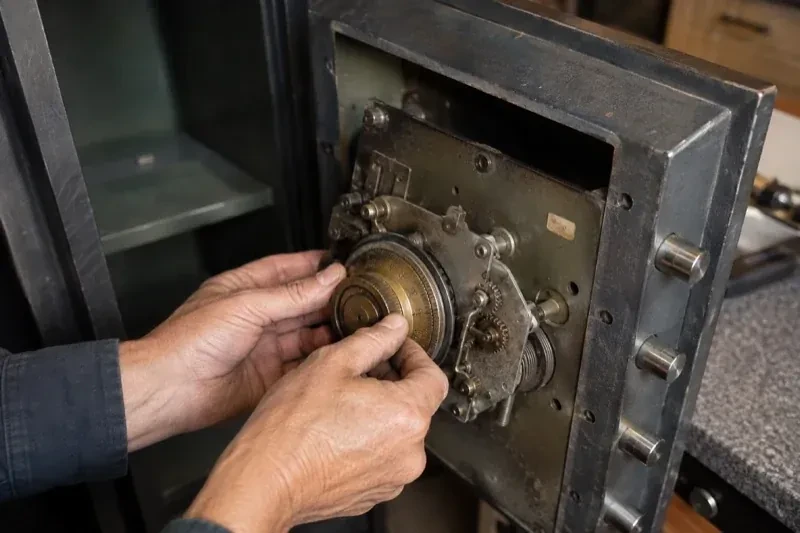
A homeowner inherited a heavy old dial safe from a parent's house, moved it into the new place, and has no idea whether the bolt-work still works, whether the lock is sound, or how it should be anchored.
Which fix fits?
The old skeleton key still fits the keyhole, but it now needs a jiggle, a lean on the door and a little luck before the bolt moves.
WhySmart lock installation puts an electronic deadbolt or lever on your door that opens with a code, a phone, a fob or a fingerprint, and, on some models, a conventional key too.
The padlock on the side gate has gone stiff every winter for three years running, and this year the key simply will not turn past the first few pins.
WhyFor most business doors, rekeying is the sensible middle path between doing nothing and buying new hardware.
A padlock went on the stockroom's back door years ago for security and nobody has thought about it since, until the walkthrough this week pointed out that the same door is the room's only other way out.
WhyA code trigger usually starts the conversation: an occupant load over a threshold, a fire inspector's note, or a new use for a room that used to hold far fewer people.
A car sits at the cottage all season, and the only key to it lives on a ring three hours away in the city.
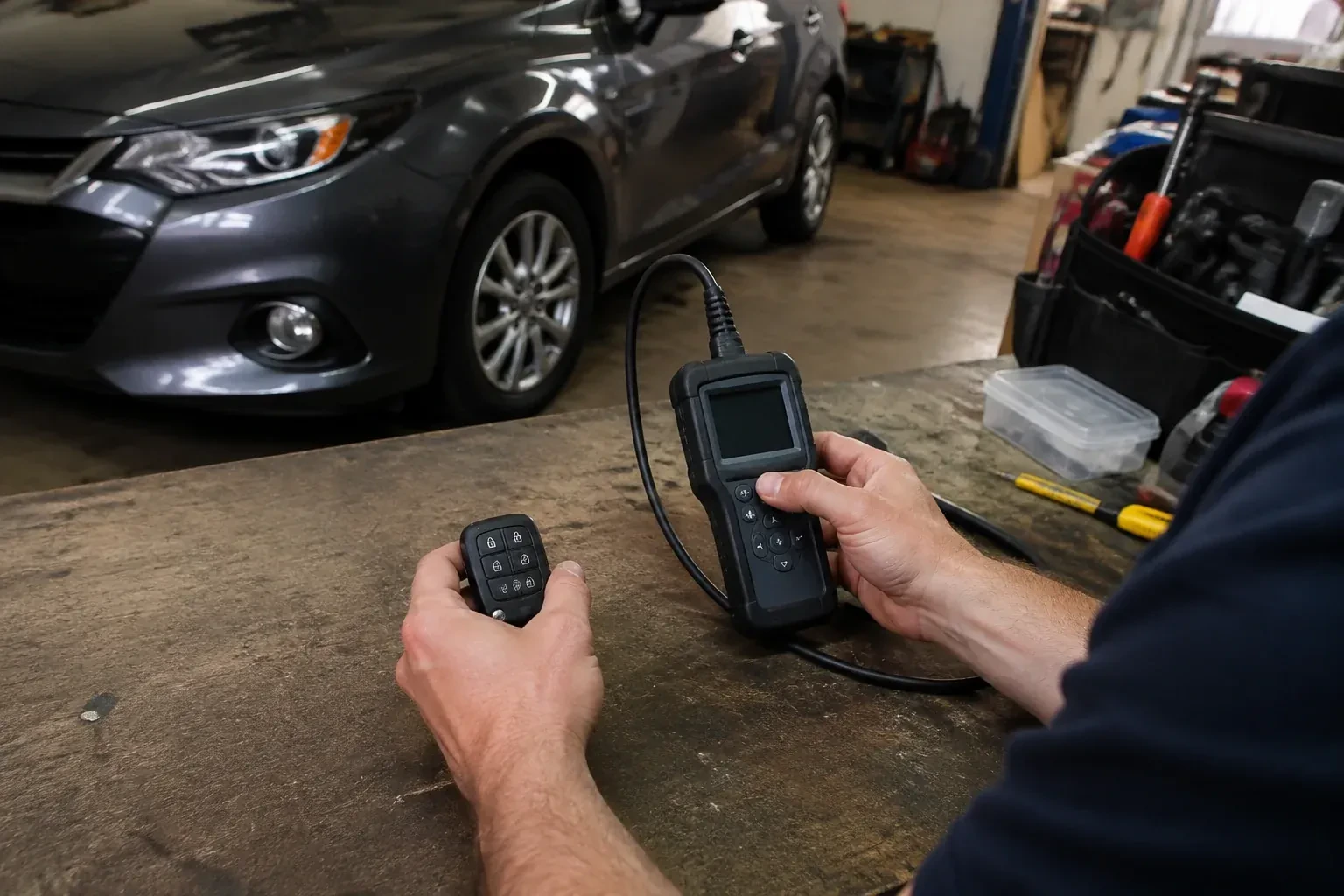
WhyKey fob programming introduces a fob, remote or smart key into a vehicle's memory so every function it offers actually operates the car: the locks, the alarm, starting authorization, and on many vehicles passive entry, which unlocks the door once it is nearby and the handle is touched, gripped or pressed, since unlocking on approach alone is a separate feature found on only some vehicles.
WhyA used vehicle sometimes arrives with a lock or two that never quite matched the rest, whether from a prior repair, a replaced door, or a key cut from a worn original.
How a visit goes
Describe the property, the hardware and what has changed, and the visit starts from what you have seen.
1
2
3
01
A look inside the keyway
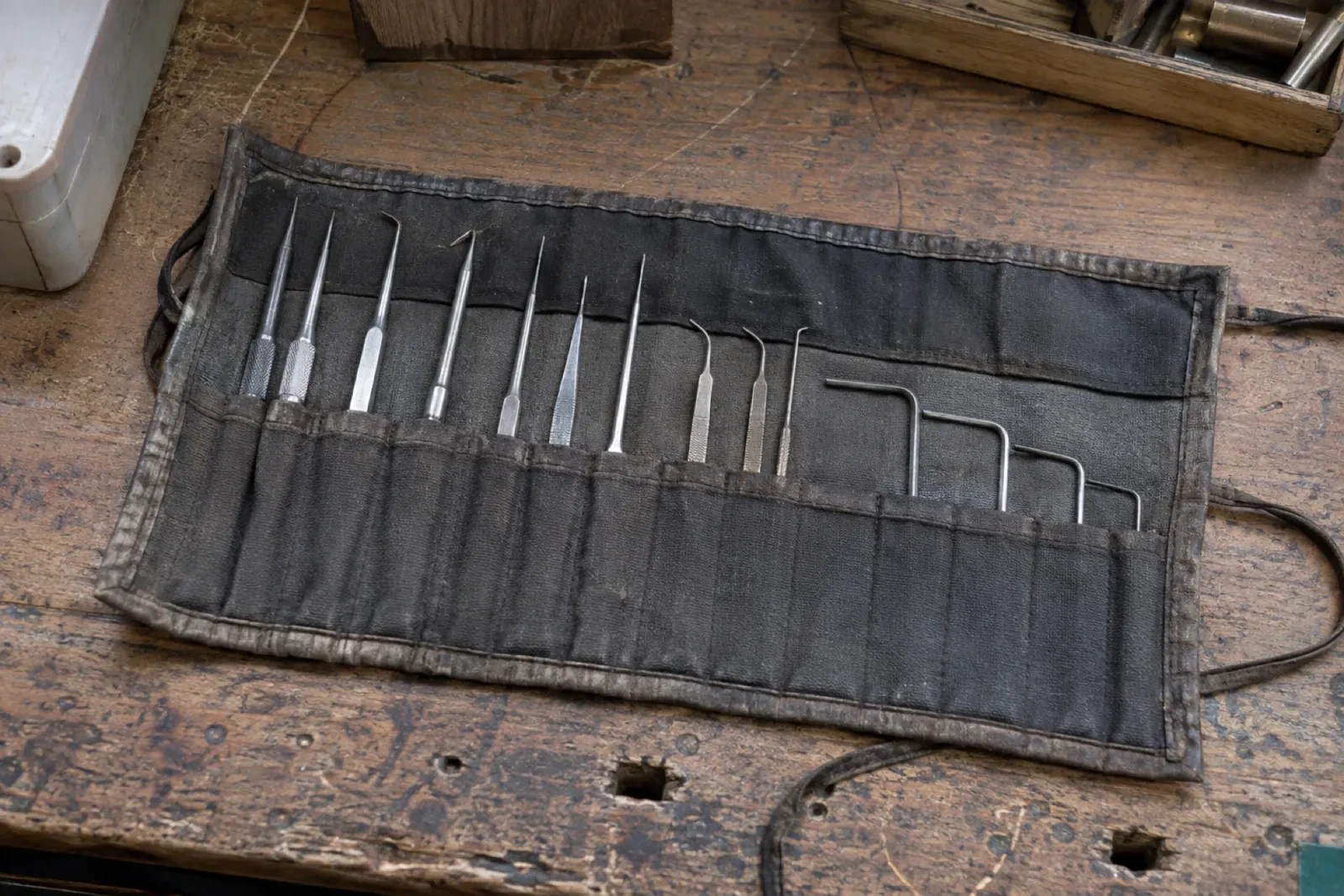
We check how deep the fragment sits and whether the cylinder was already worn or dry. That tells us how to draw the piece out without pushing it further.
02
Drawing the piece out
With extraction tools and patience the broken blade comes out whole. We clean and lubricate the cylinder so the next key goes in smoothly.
03
Cutting a fresh key
A key that snapped was usually tired. We cut a new one from the two halves or from the lock itself, test it and suggest retiring any other worn copies.
Good days. Start with a turn.
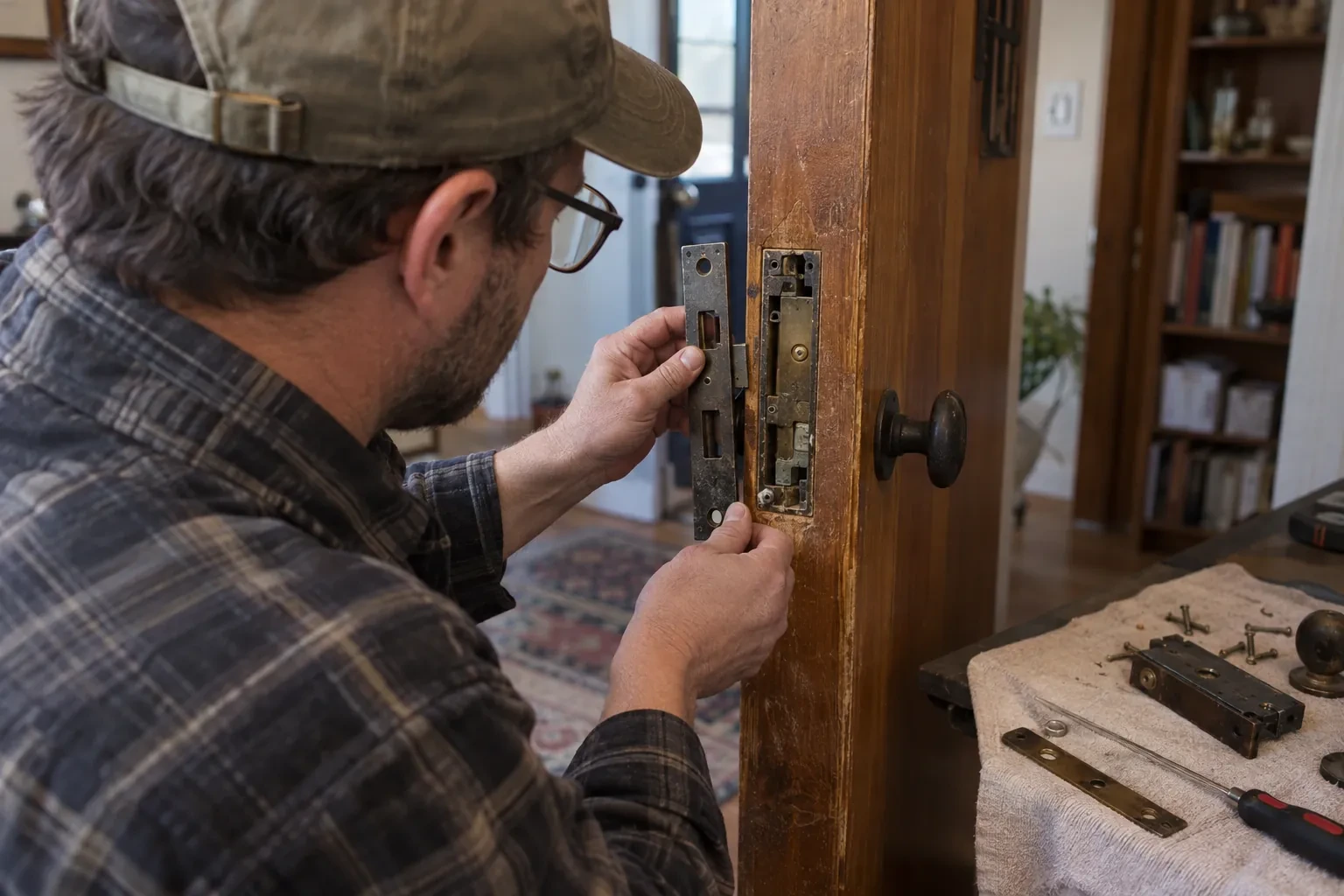
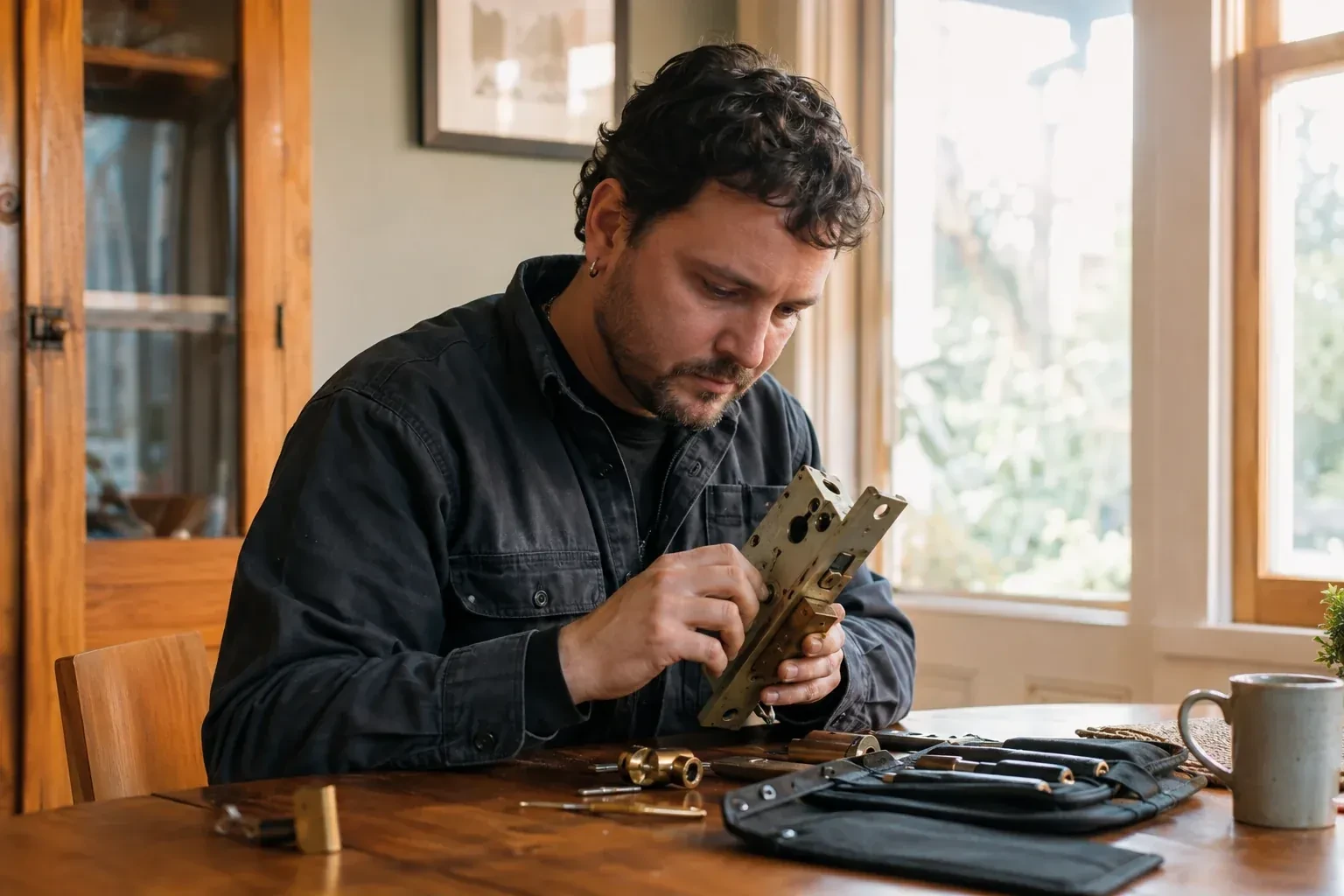
1/9Vintage Mortise Lock Service
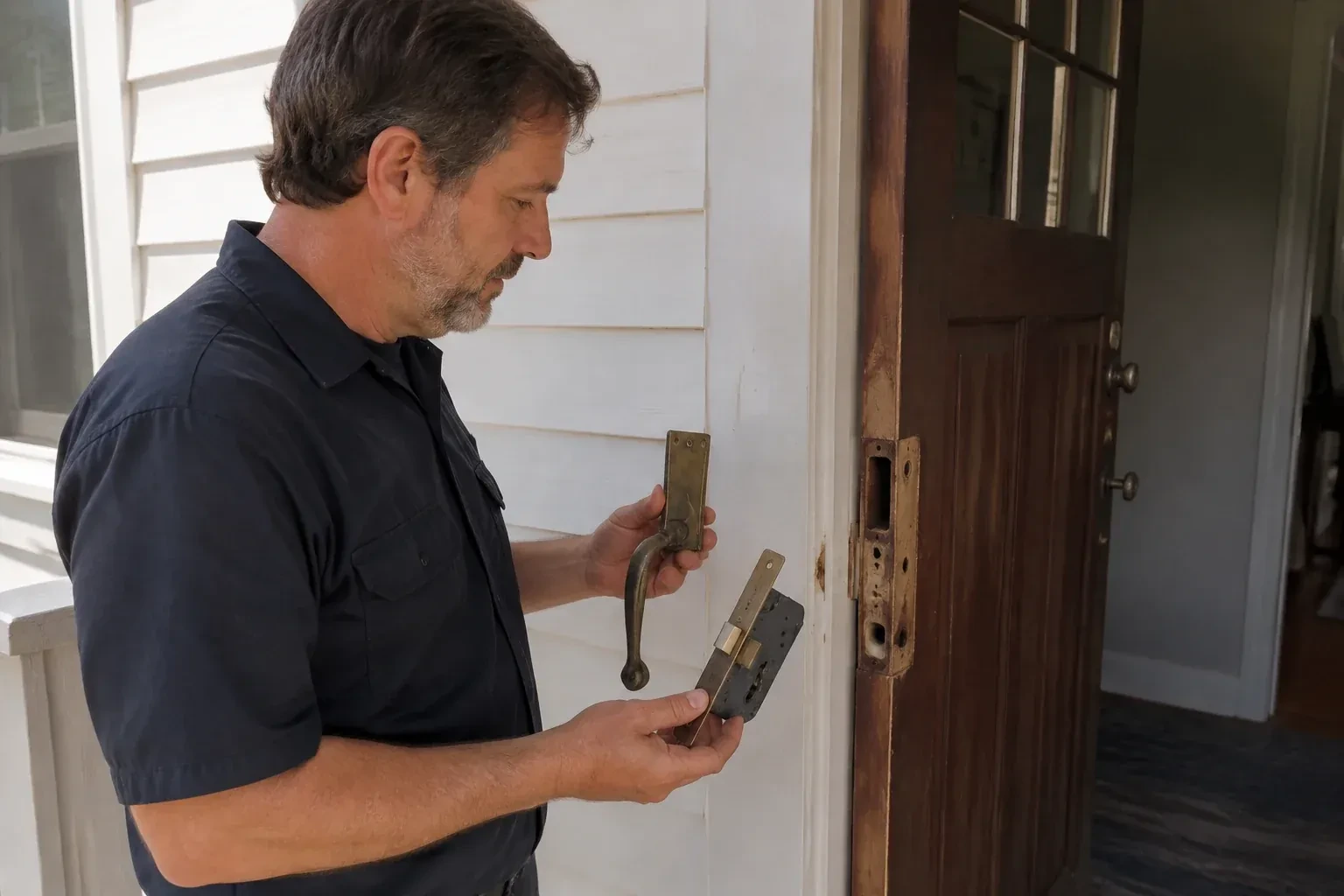
The old skeleton key still fits the keyhole, but it now needs a jiggle, a lean on the door and a little luck before the bolt moves. Last week it took three tries. You have one key and no idea where a second could come from.
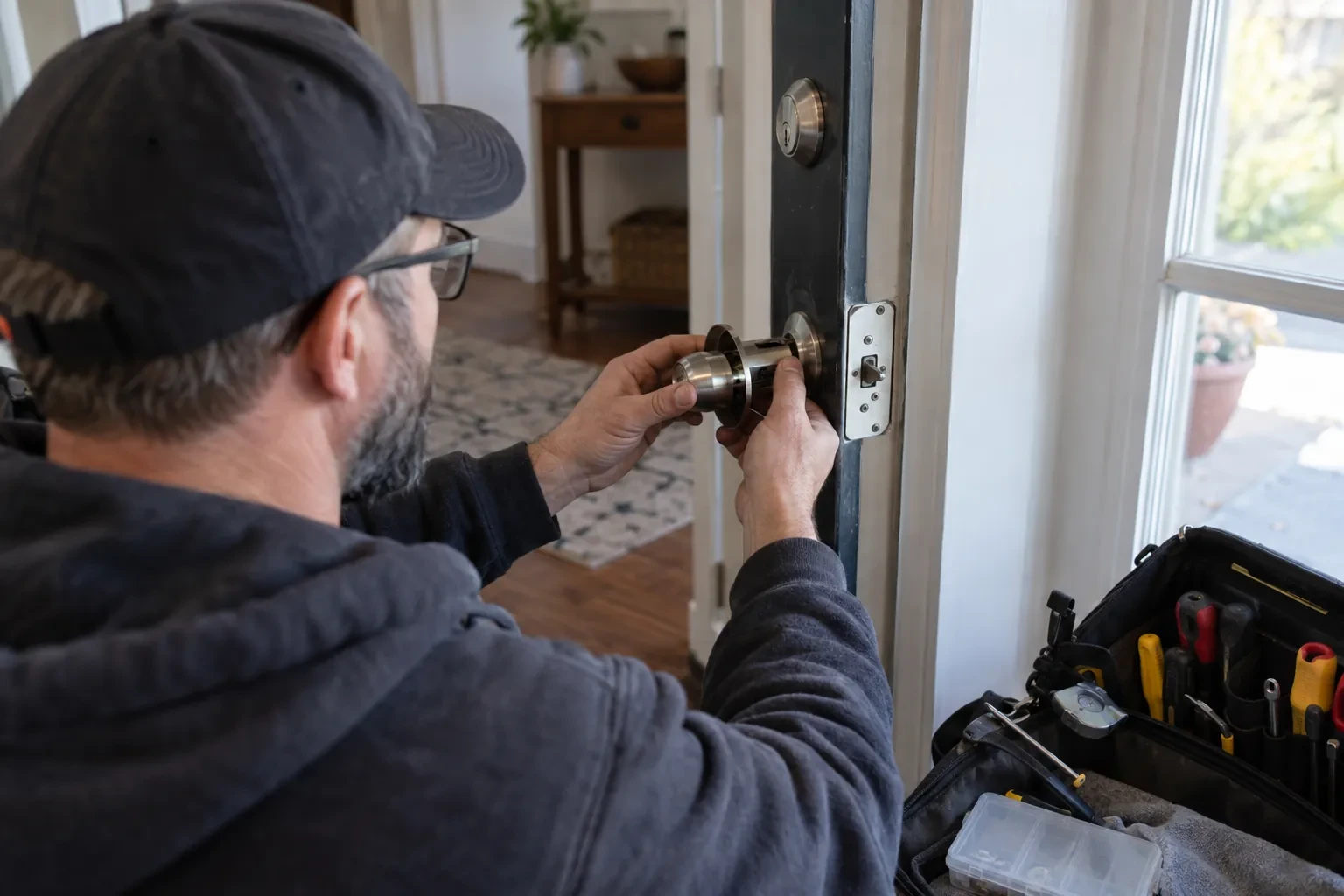
The deadbolt is a stiff double-cylinder model that needs a key from both sides, and in the dark hallway finding it is a nuisance. You want a thumb-turn inside, a keypad outside, and a door that locks itself behind you.
The padlock on the side gate has gone stiff every winter for three years running, and this year the key simply will not turn past the first few pins. Salt spray off the road and a season of meltwater have left the cylinder pitted and reluctant.
You have just signed the lease on a unit the previous tenant ran for a decade. The landlord handed over three keys, the back door wears a padlock nobody can open, and nobody can say how many front-door keys are still out there.
A padlock went on the stockroom's back door years ago for security and nobody has thought about it since, until the walkthrough this week pointed out that the same door is the room's only other way out.
A car sits at the cottage all season, and the only key to it lives on a ring three hours away in the city. Every visit begins with the same small worry about whether that ring made it into the right bag.
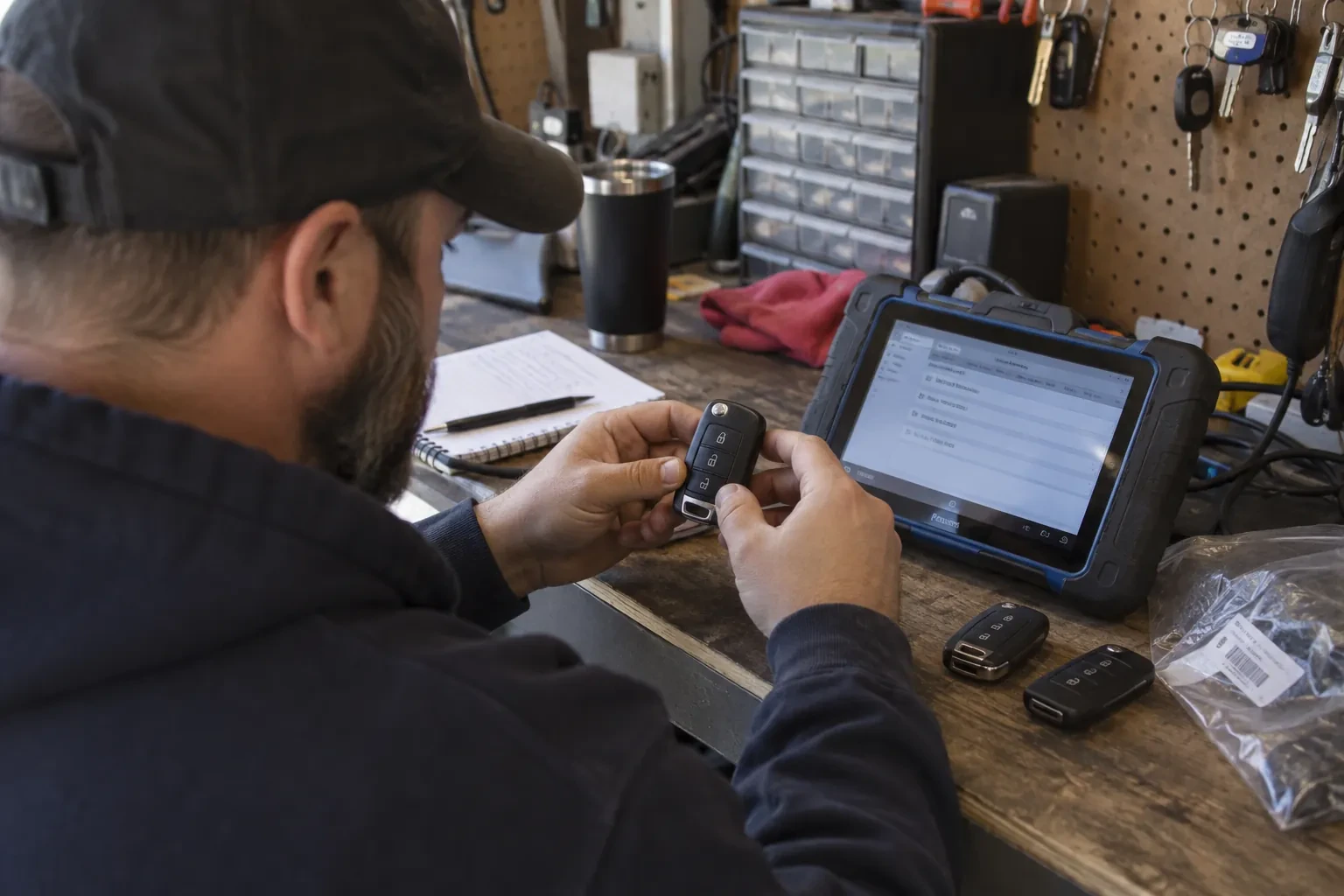
A fob went missing weeks ago somewhere between a coat pocket and a parking lot, and a spare has covered the gap since. Everything still opens and starts without trouble, which is exactly the concern: wherever that missing fob ended up, it may still work too.
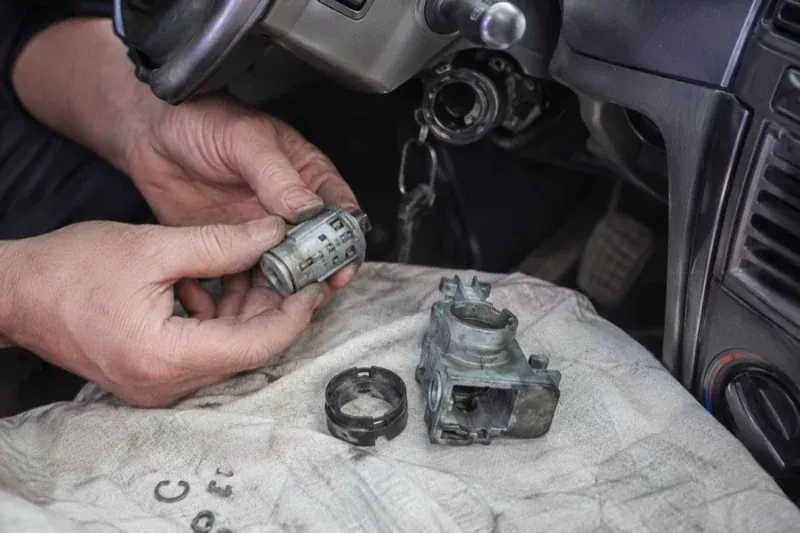
Turning the key used to take one smooth motion. Lately it grinds partway through, sometimes needing a second attempt, and yesterday it stopped reaching start altogether. The key itself looks the same as always; something inside the ignition has changed instead.
Every door drops into place together when the fob is pressed, except the driver's door, which stays unlocked while the rest click shut around it. A twist of the key still locks that door by hand, so the mechanism inside is clearly still working.
A single entry lock that needs cleaning, springs and a strike adjustment is generally done in one visit of an hour or two. Filing a bit key adds bench time, and a set of interior latches is longer simply because there are more of them. A case that needs a part fabricated, or a replacement case that has to be ordered to size, may mean a second visit; the locksmith says so at the assessment.
I rent. Can I have a smart lock installed?
Yes, with your landlord's agreement first. Tenancy rules in this province expect a tenant to have the landlord's consent before changing a lock, and expect the landlord to have a working way in, so the sensible route is a short conversation and a note of what will be fitted. A retrofit model that mounts inside and keeps the existing exterior lock and key is often the easiest thing for a landlord to say yes to, since the door is unchanged from outside.
Who is allowed to ask for a rekey on a shared building entry?
Because a shared entry serves more than one household, the locksmith looks for someone with authority over the whole door: an owner, a landlord, a property manager or a condo board, rather than any single resident acting alone. An individual tenant can usually request work on their own unit's door without issue, but changing the lock everyone in the building relies on to get in is treated as a decision for whoever manages the property, with current residents given new keys once it is done.
Should we rekey every time an employee leaves?
Rekey when a key has not come back or when the departure was unfriendly; when a key is returned and the register confirms it, the cylinders it opened are as secure as before. Businesses that want a response to every departure without a visit each time fit interchangeable cores and swap them in-house. Whatever the trigger, dealing with only the cylinders that key opened keeps the response proportionate.
Can I add a request-to-exit switch for my access-control system?
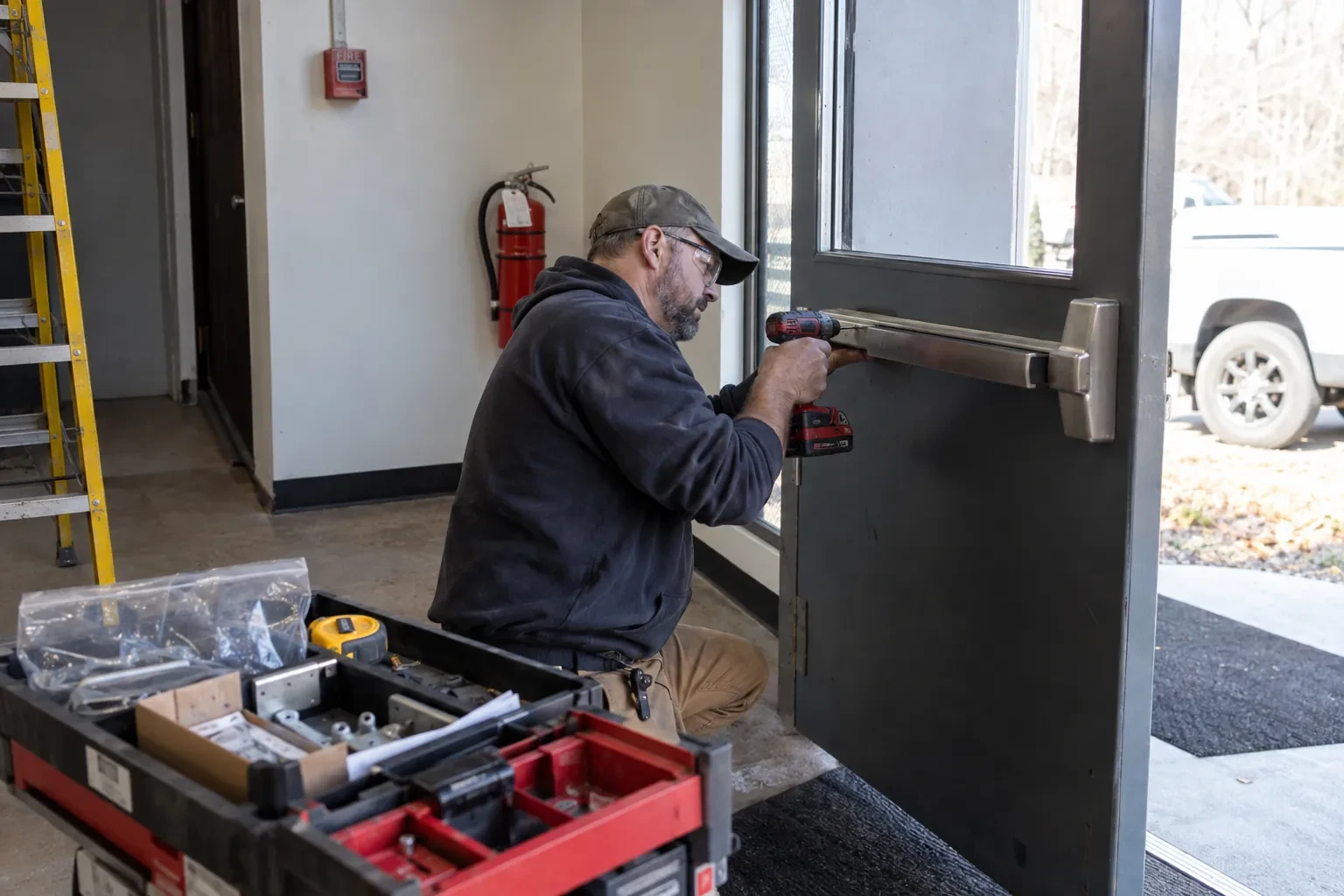
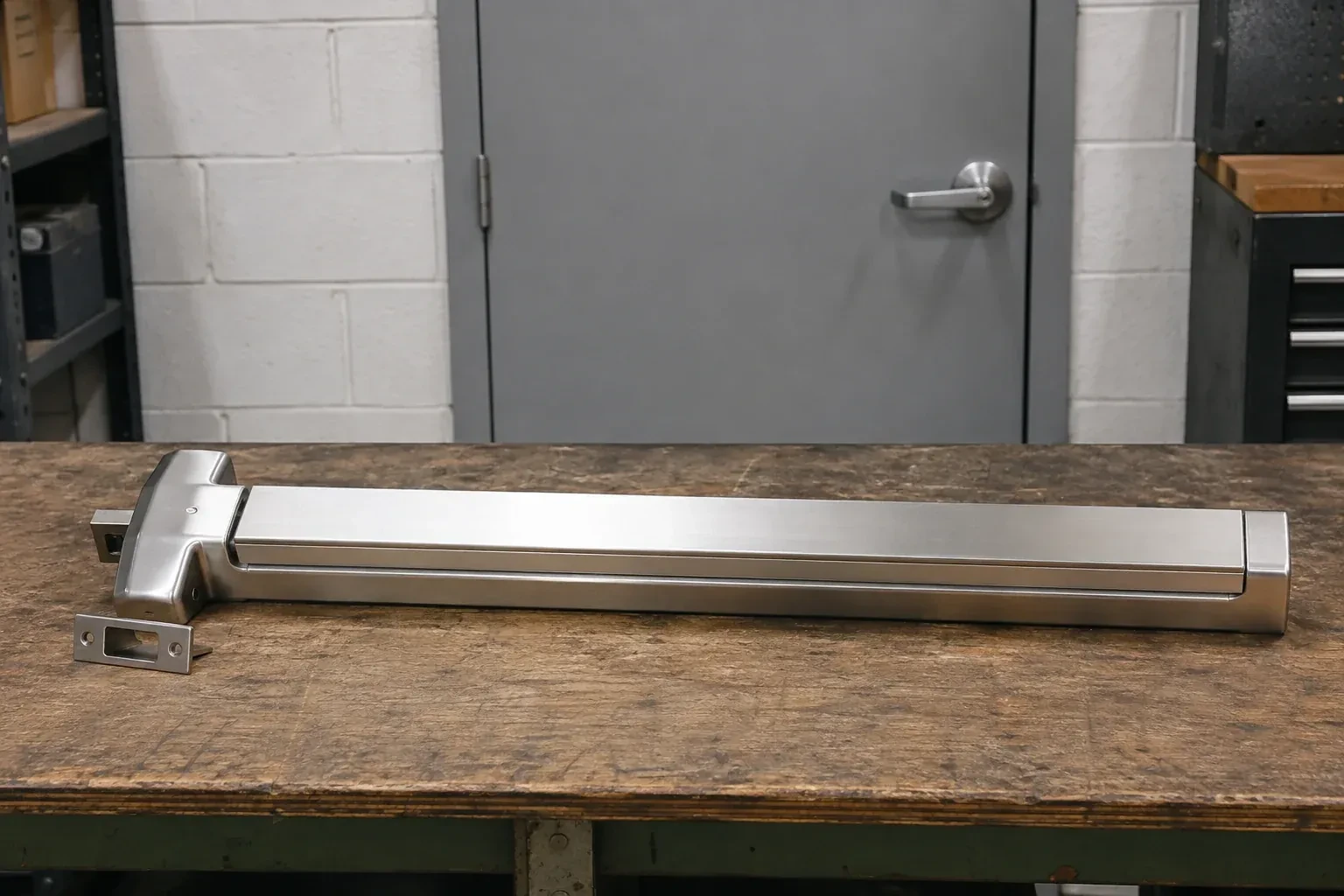
Yes. A request-to-exit switch is wired to signal the access-control panel that the pushpad or crossbar was actuated. Telling that apart from a forced or propped door usually means pairing it with a door-position contact and the panel's own logic, since the switch on its own only reports that the hardware was used. It sits alongside the mechanical device without changing how the crossbar or touchpad works, so the door still releases under a push even if the access-control system loses power.
Should I get the locks rekeyed when I get a spare, or is that a different service?
They are related but not identical, since a car's door and ignition locks are a separate mechanical layer from the immobilizer even though both systems usually get touched in the same visit. Making a spare and removing a genuinely unaccounted-for key's electronic access are handled together, and if that lost key's blade could still turn a matching door cylinder by hand, the locksmith rekeys that cylinder as part of the same appointment.
Does key fob programming use my car's diagnostic port?
On most vehicles, yes. The same connection point used for other vehicle diagnostics is typically how a fob's registration procedure communicates with the car's onboard systems. A few older or simpler key systems are programmed through a different in-car sequence instead, which is one more reason the vehicle's year and model are checked before the procedure begins.
How do you tell the cylinder apart from the switch behind it?
The cylinder is the part the key physically touches and turns; the switch is the electrical component behind it that responds to each position. The locksmith checks whether the barrel itself moves cleanly through every stop and whether the dash and starter respond at the right moments. When the barrel turns properly but the response is missing, the switch or wiring is a likely cause, though the battery, starter and park/neutral circuit are checked too before settling on it.
Why has my key fob suddenly stopped working?
A dead coin-cell battery is the most common reason, and it is a straightforward fix once the fob is opened. Less often, the fob has lost its pairing with the vehicle or its case has cracked and let in moisture, both of which a locksmith can check and address.
Request a visit
We plan visits around how people in Cliffside live. A shop wants the work done before opening or after close. A family wants a time when someone is home and the dog is put away. A landlord wants the unit done between tenants. Tell us the window that suits you and we build the day around it, then call when the van is on its way.