Locksmith in Kennedy Park, OntarioLocked out in Kennedy Park?Let's get you inside.
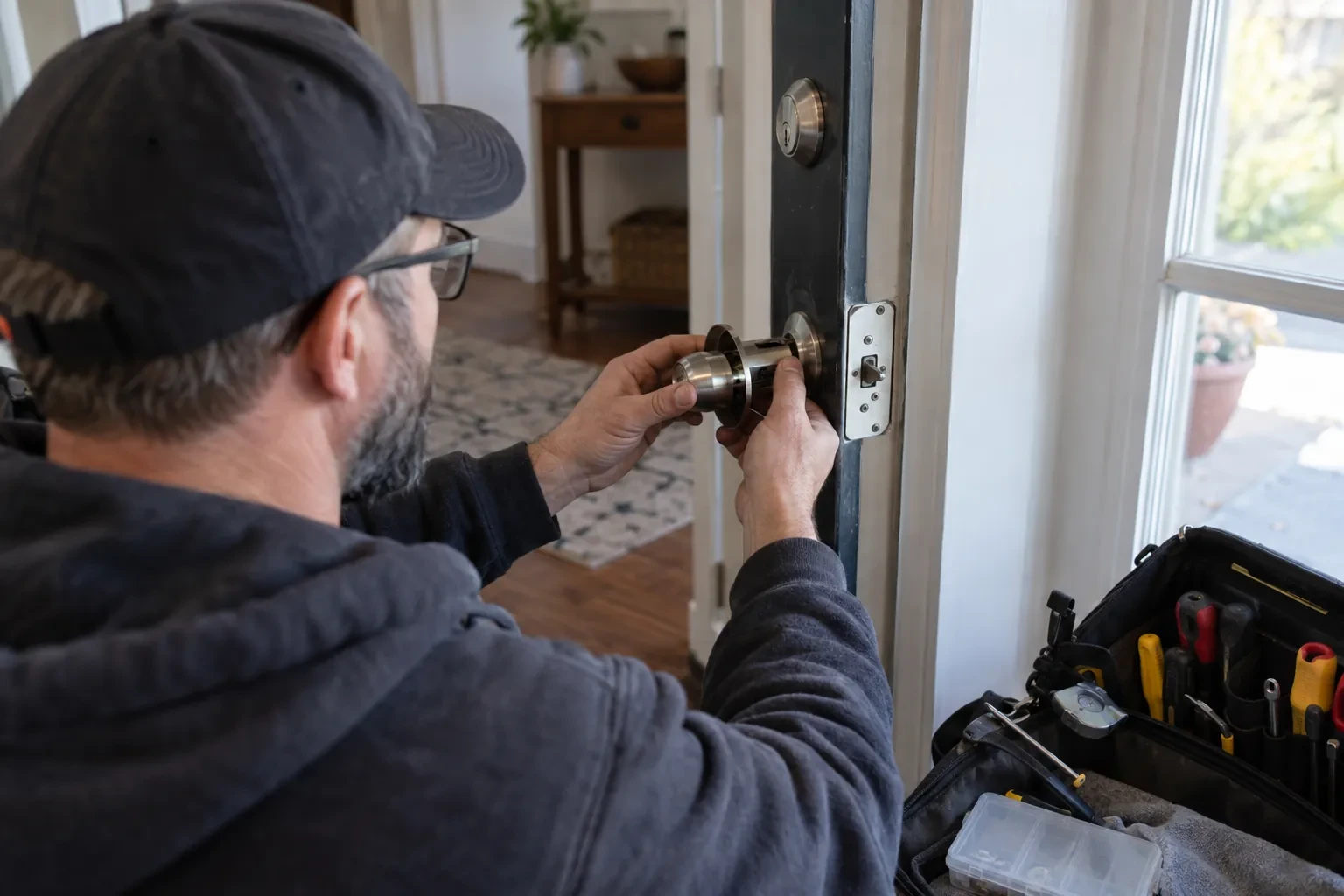
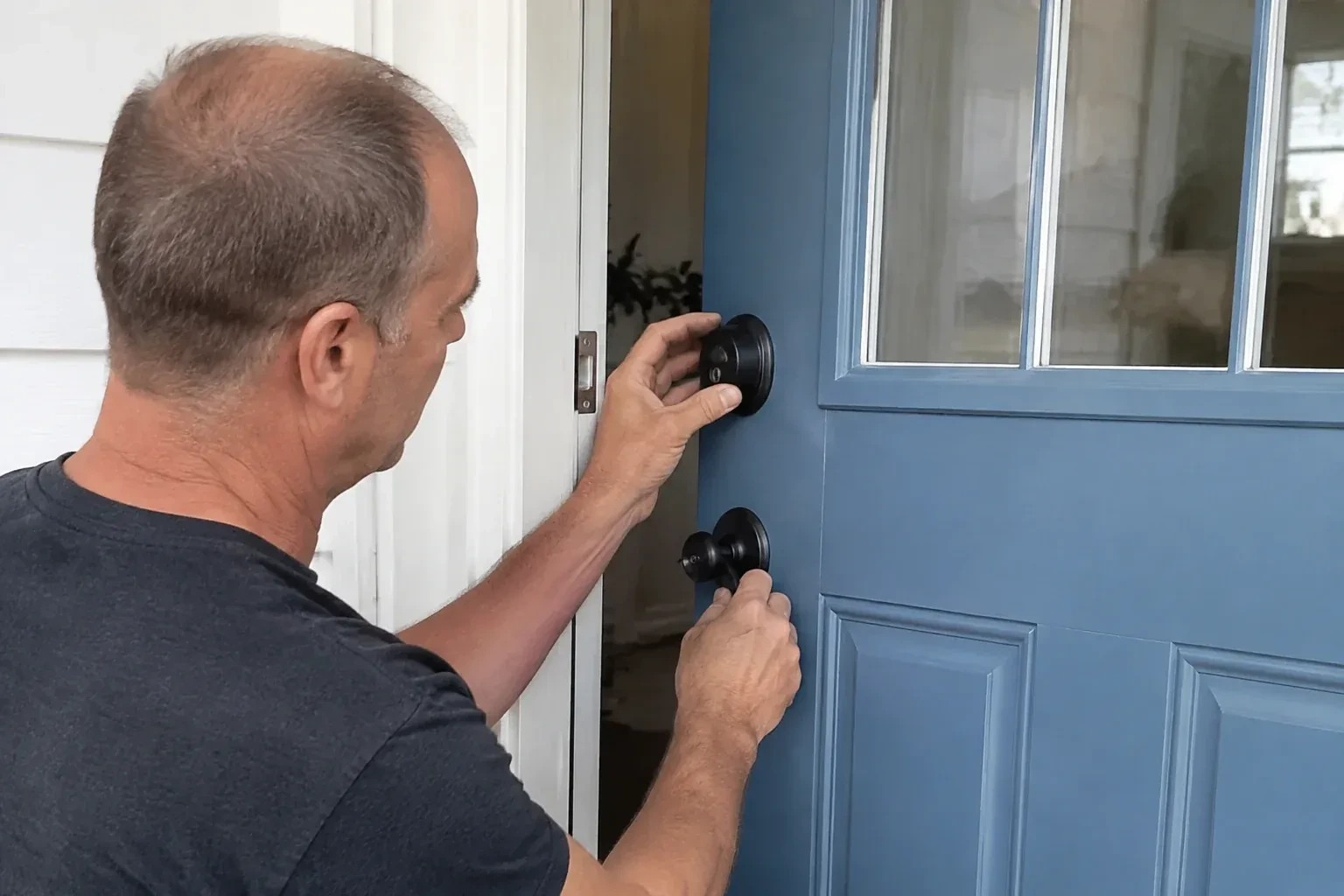
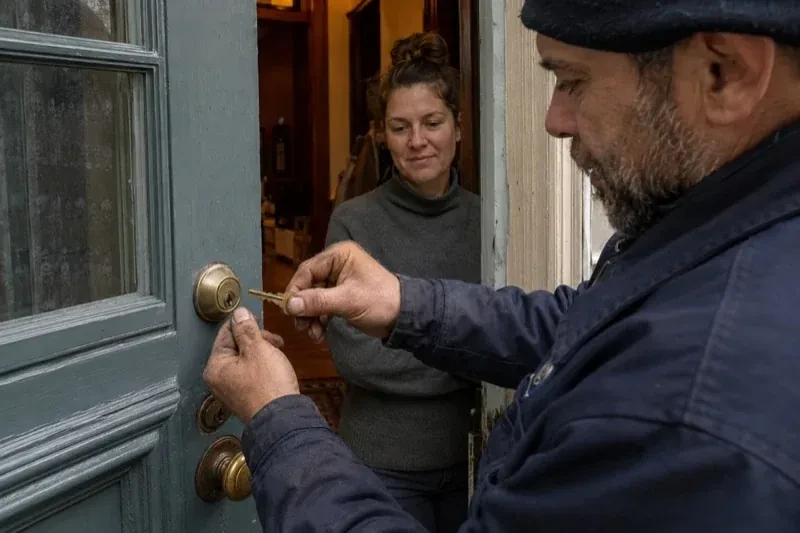
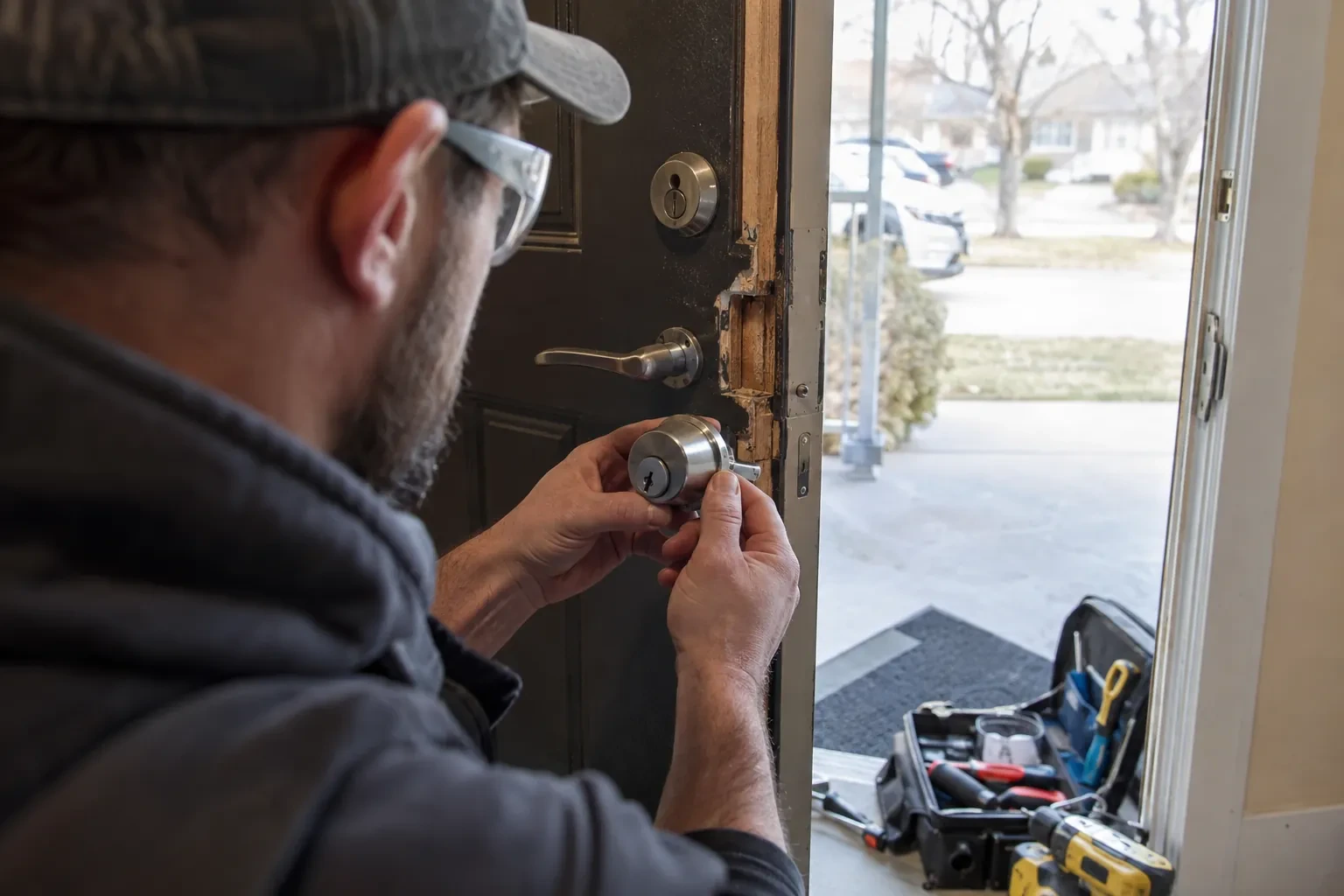
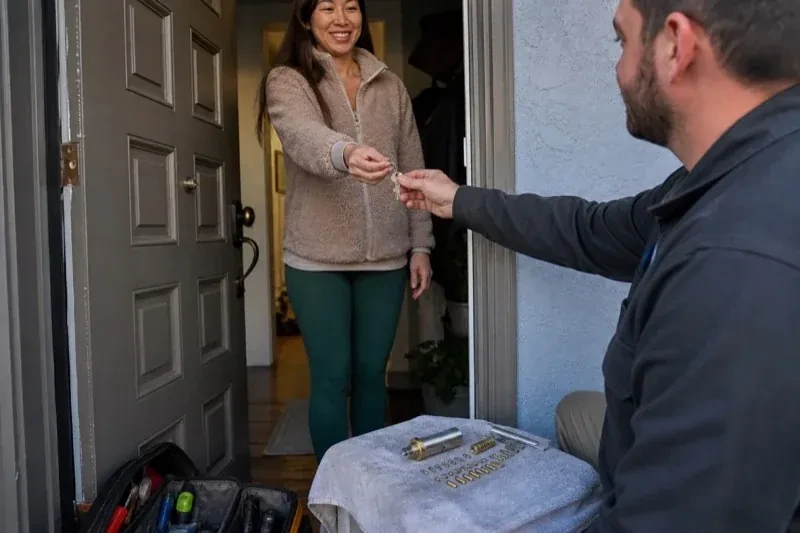
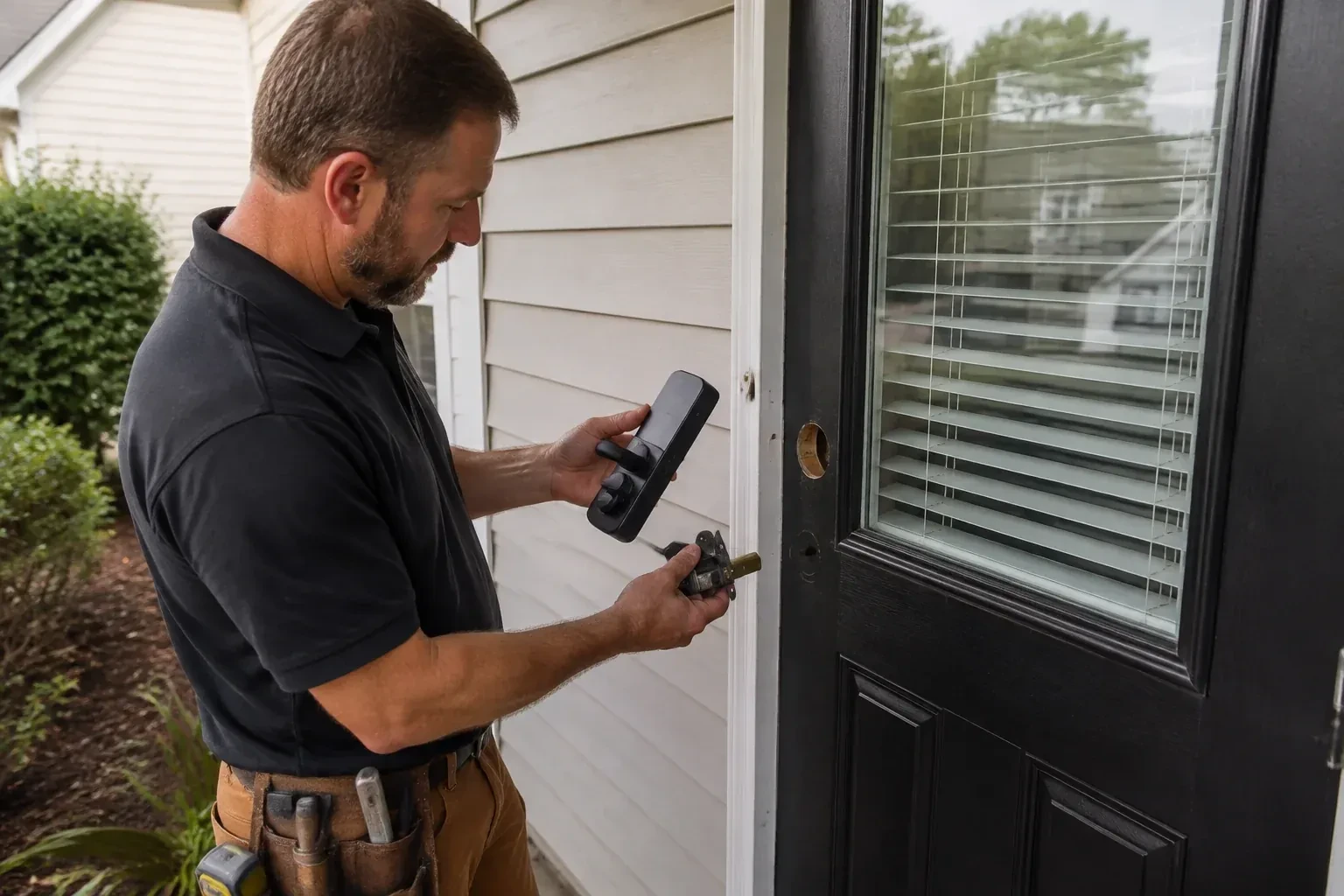
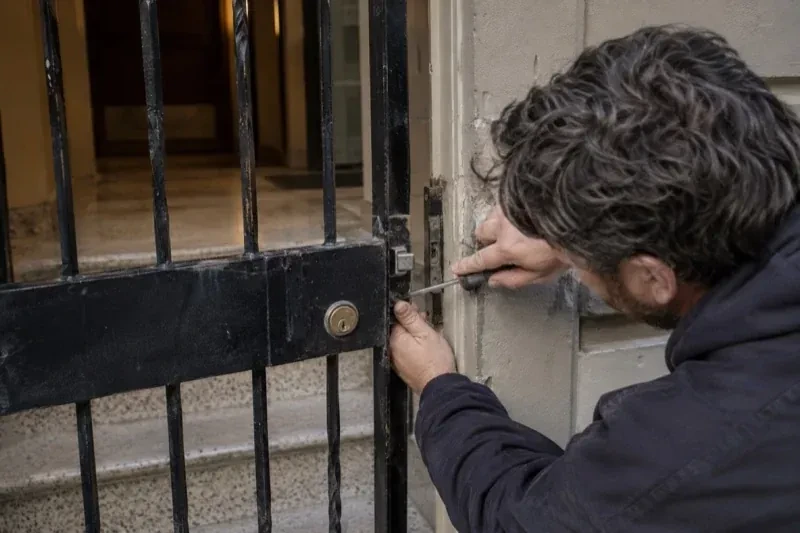
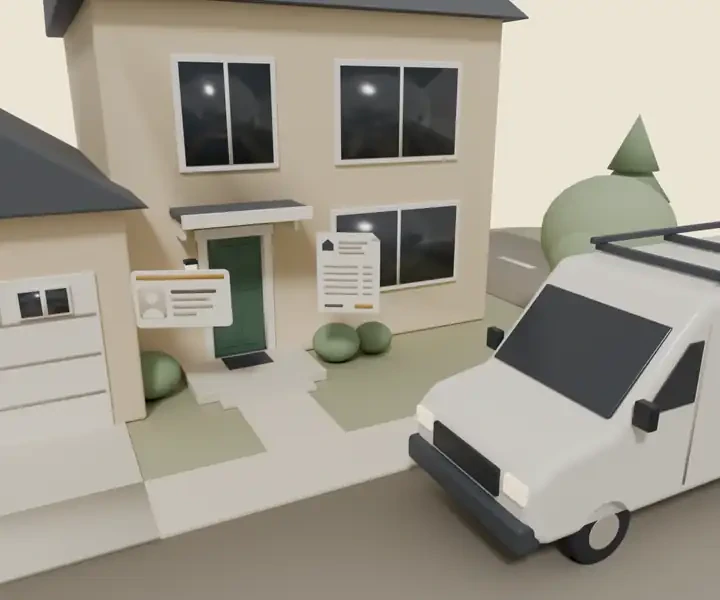
It happens to careful people: the door swings shut, the key is on the kitchen table, and the evening stops. Our locksmith comes to Kennedy Park, confirms the home or shop is yours, opens the door without wrecking the lock, and stays long enough to make sure the key you have still works afterwards.
It happens to careful people: the door swings shut, the key is on the kitchen table, and the evening stops. Our locksmith comes to Kennedy Park, confirms the home or shop is yours, opens the door without wrecking the lock, and stays long enough to make sure the key you have still works afterwards.
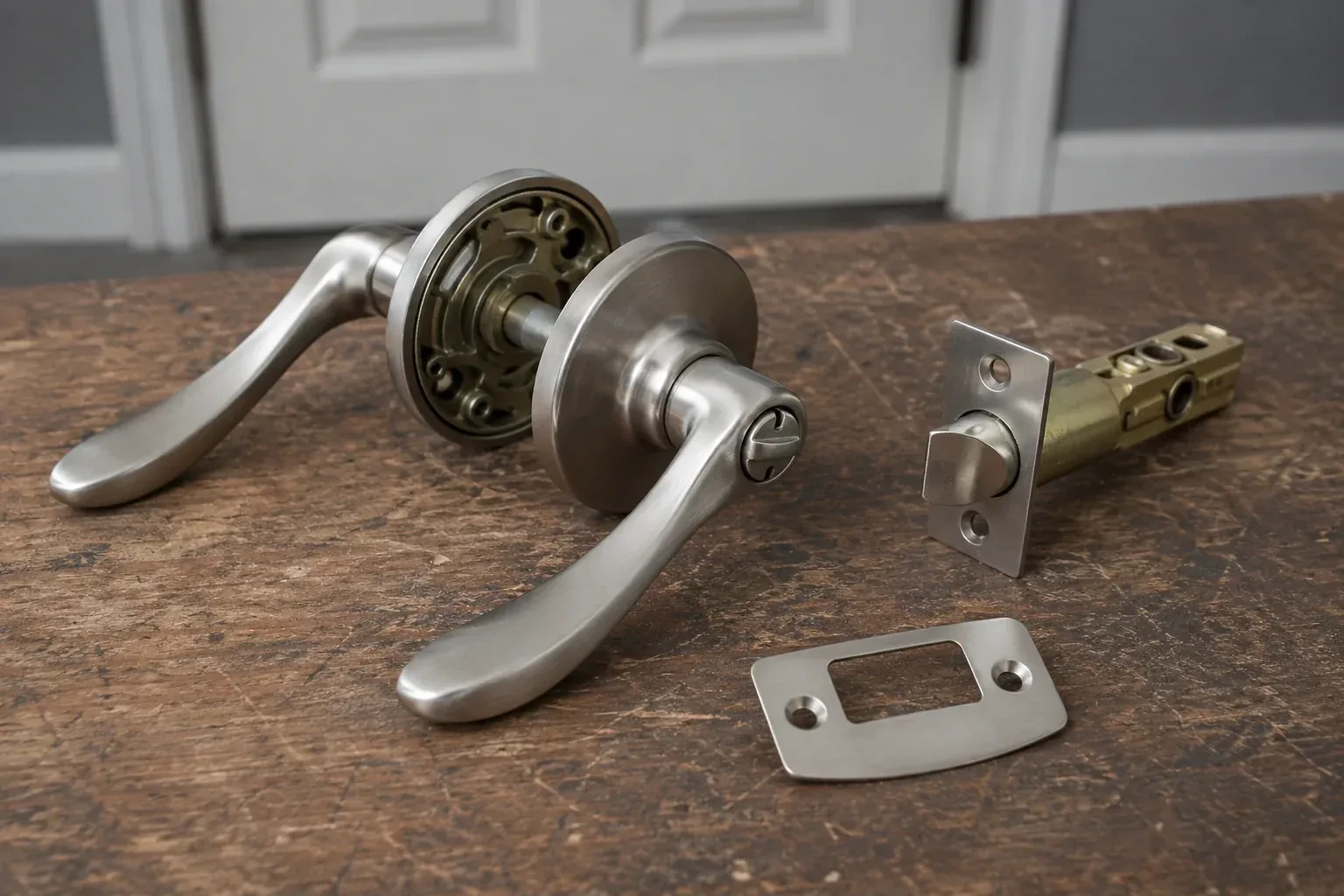
Doors that close, lock and stay locked.
You will not be talked into more than the door needs. In Kennedy Park we grade what is fitted, name the one change that would matter most, and stop there unless you ask for more. A household that wants the full upgrade can have it; a household that wants the sticking bolt fixed gets exactly that, done properly.
Lost keys are the most common reason people in Kennedy Park reach us, and the conversation always starts the same way. Are the keys truly gone or just out of reach? Who else might have a copy? From those answers we decide between a simple opening, a rekey or a lock change, and we explain what each one means before touching the door.
31years in business
24/7open every day
Clear about who can get in. After any rekey or replacement we tell you exactly which keys work and how many copies exist. Key control is the point, and you should have the full picture.
Careful with the building. We protect floors and finishes, work around your day where we can, and treat a shop or office with the same care as a home.
The choice explained in your terms. Rather than product names, we talk about what each option means for you: who has access, how it copes with weather, how easy it is to change later.
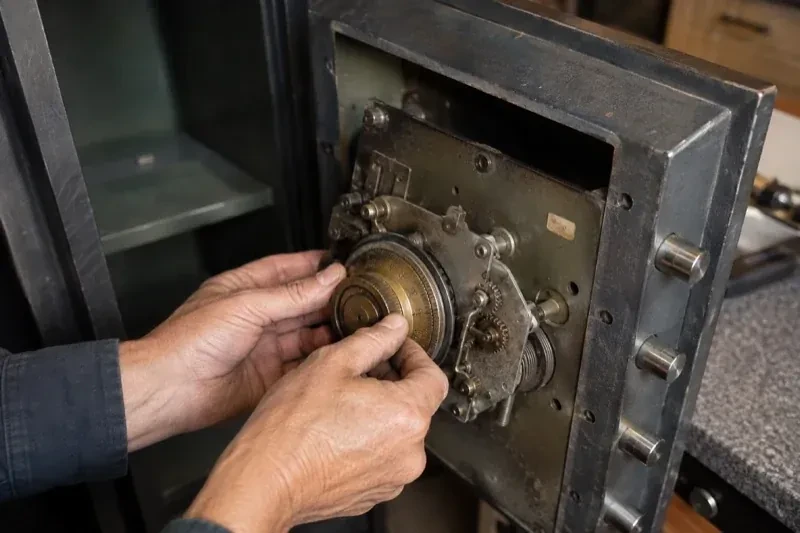
The services offered in Kennedy Park answer the questions a door eventually asks. Who else has a key? Why does the bolt drag? Would a stronger cylinder be worth it? Can staff leave without a key? How do I open the safe my father left? Each answer is on the pages below.
About 58% of homes in Toronto were built in 1980 or earlier, according to the 2021 Census.
Older homes
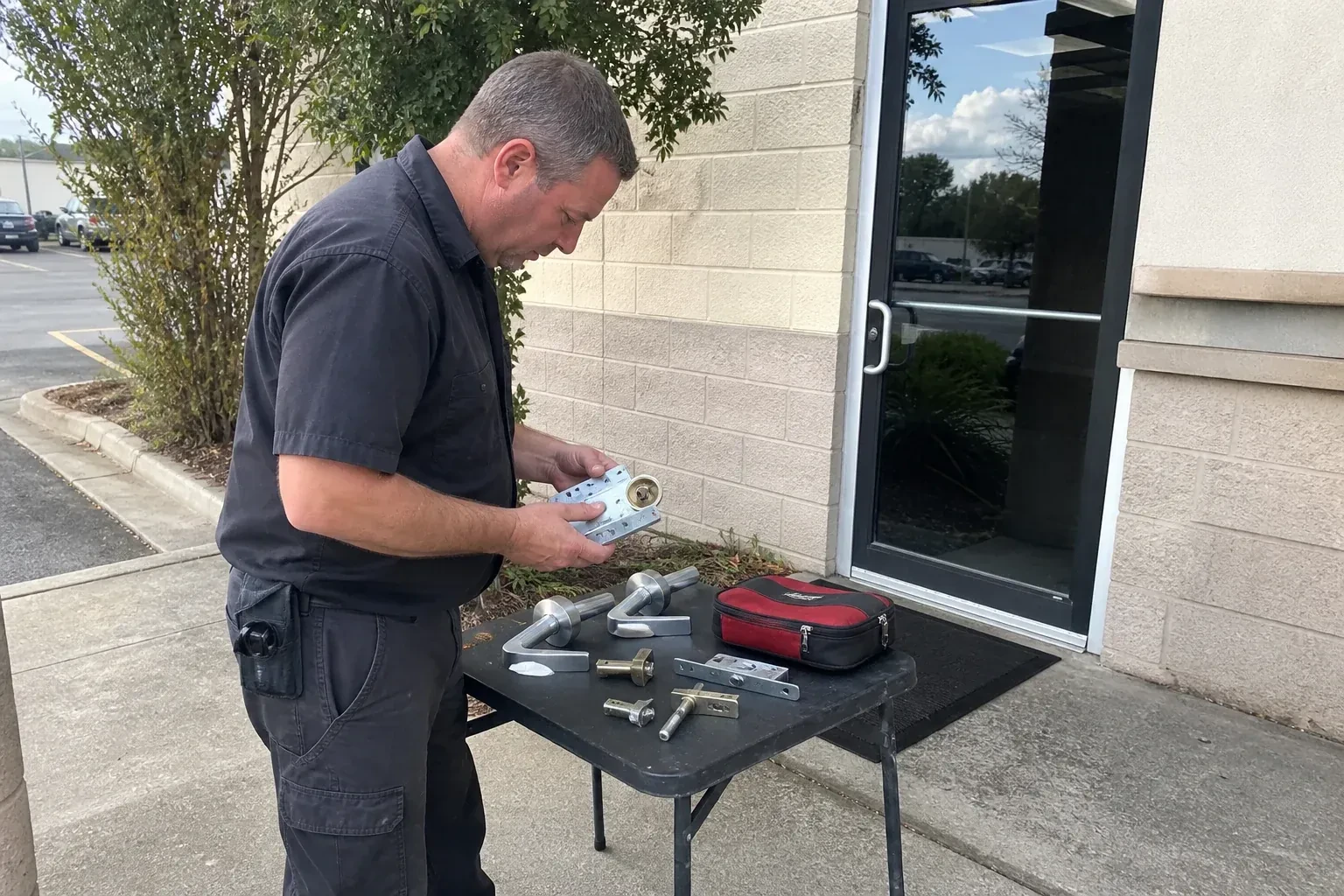
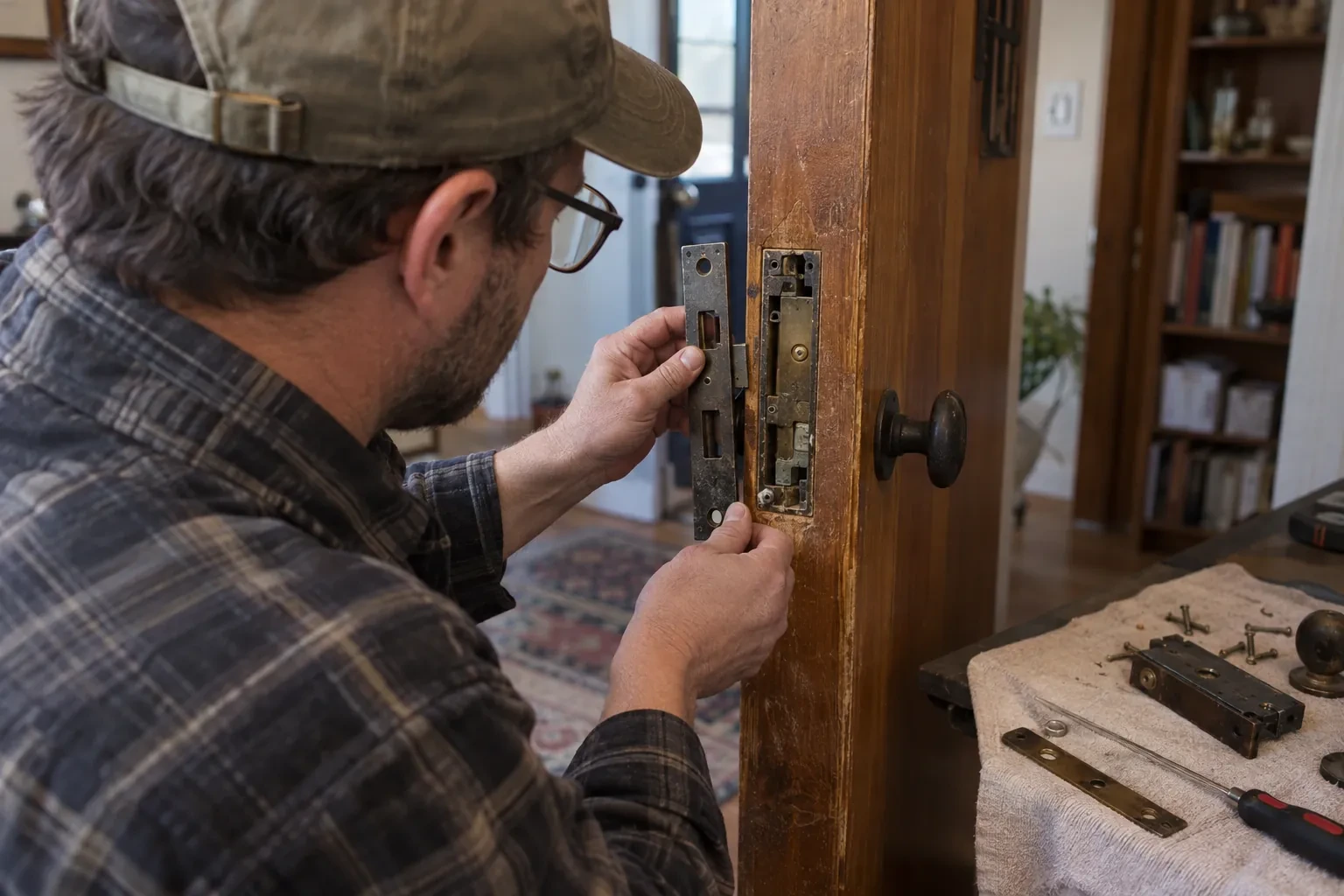
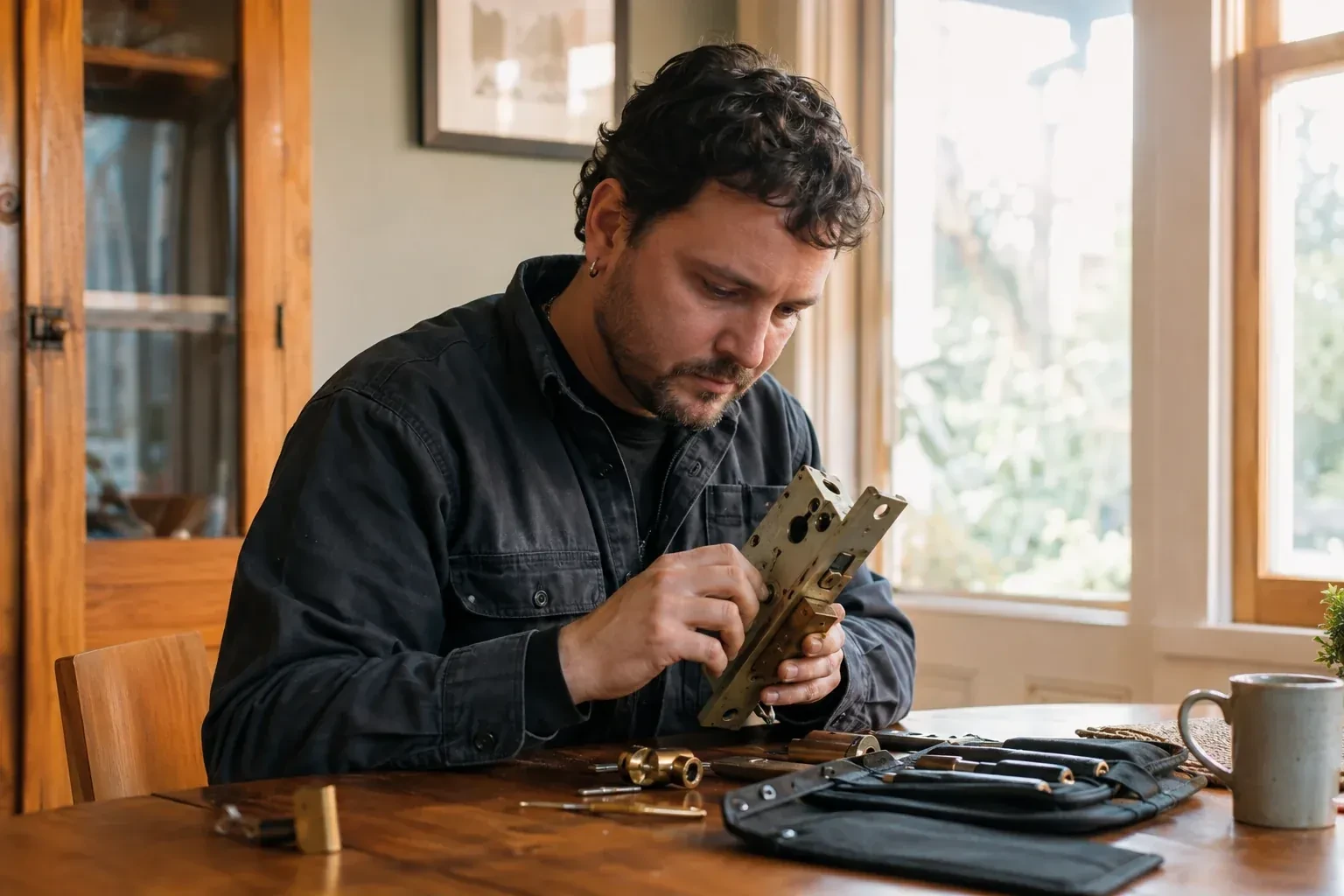
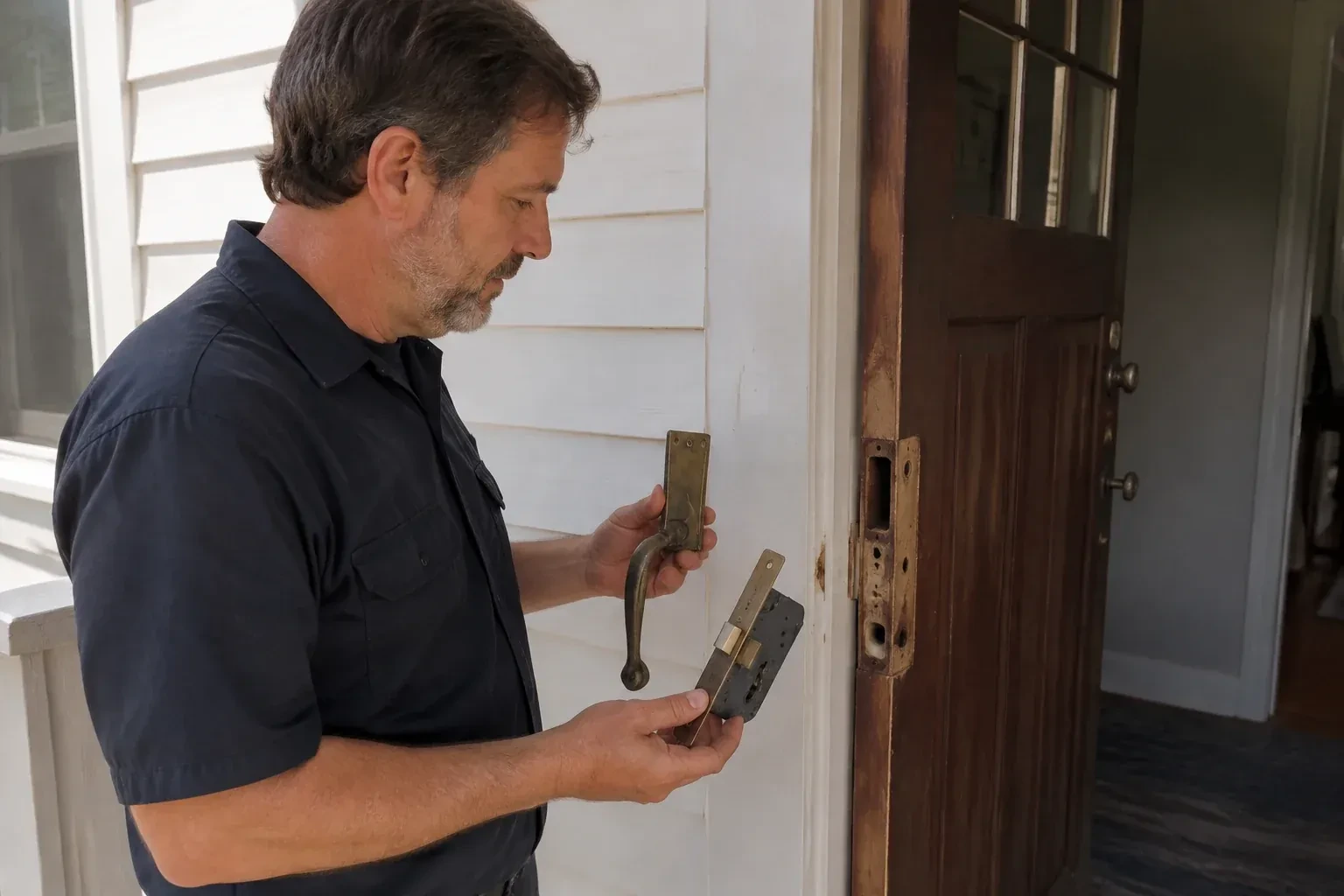
Where most homes were built decades ago, doors often still carry their original mortise locks and brass knobs. That hardware can usually be cleaned, re-sprung and kept in service, with a modern deadbolt added above it for strength without losing the look.
Single-detached houses make up about 23% of homes in Toronto (2021 Census).
In a building, a lockout happens in a hallway rather than a porch, and the neighbours notice. A locksmith confirms you belong to the suite, opens the door with the least fuss the lock allows, and leaves the door and cylinder intact for the night.
You signed the lease on the unit last week and the landlord handed over possession, but the previous tenant's locks are still on both doors and no keys came with them. Your fixtures arrive tomorrow and the doors will not open.
The padlock on the shed has been stiff all summer. Today the key twisted, cracked at the tip, and left the end buried deep in the keyway. The rest came out in your hand, and the padlock is still closed.
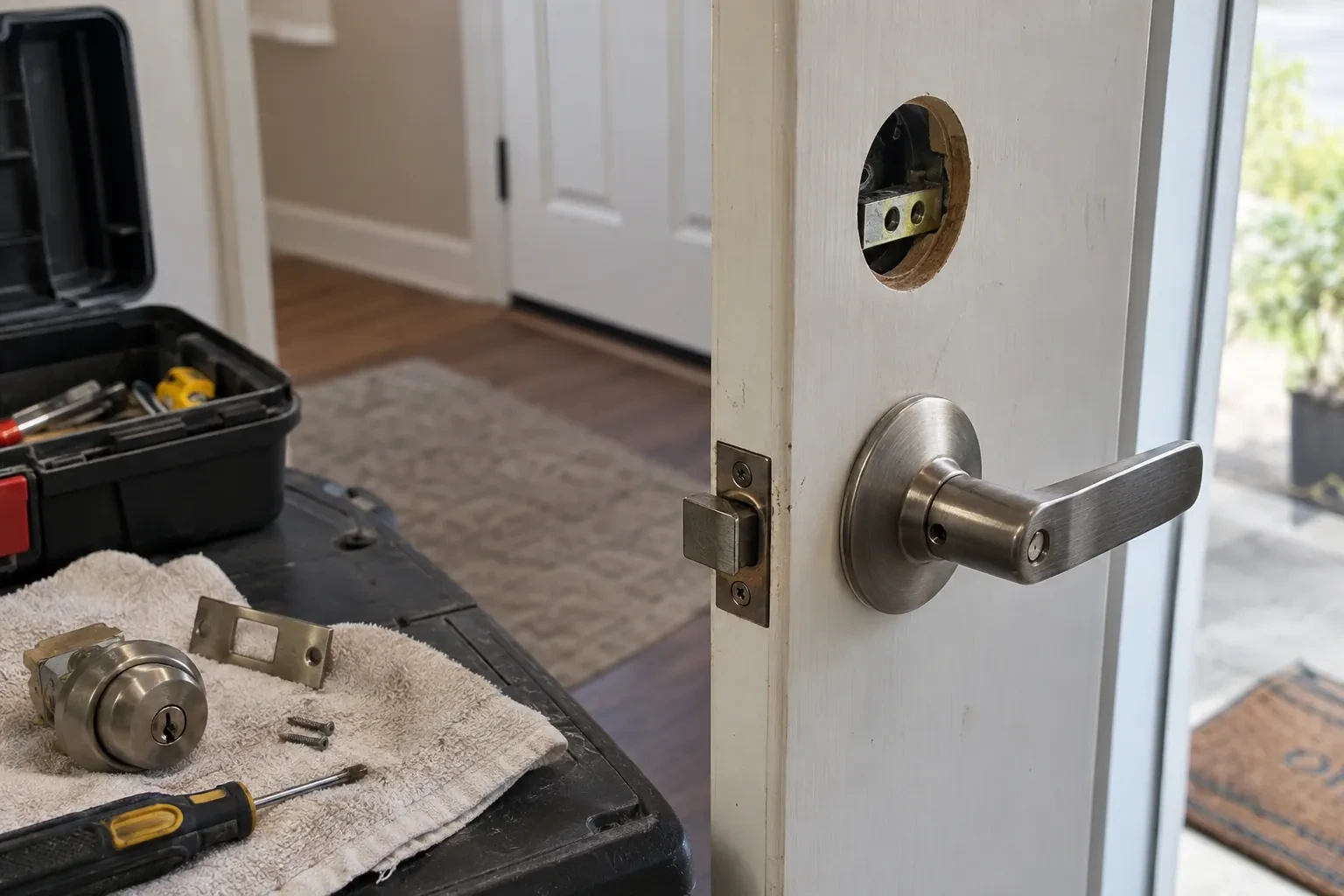
There is a hole where the cylinder used to be. Somebody twisted it out of the deadbolt with a wrench, and now the empty bore looks straight through to the kitchen, with the bolt still stuck in the frame.
The old mortise lock on the front door of the house turns the key halfway and stops with a dull clunk. It has been getting harder for months, and the brass key is starting to show a bend.
The builder handed over your new home with a stack of identical keys, and you know the framing crew, the painters and the flooring installers all used a construction key during the build. The doors are brand new, but the key that opens them should be yours alone.
Someone tried the door last winter. The frame took it, but the strike plate is bent, one screw hole is stripped, and the bolt sits in the pocket at a slight angle. It still locks, and it still bothers you every night.
The pharmacy's drop safe has a keypad that finally lost power for good, and the little override key that was supposed to live behind the counter cannot be found anywhere.
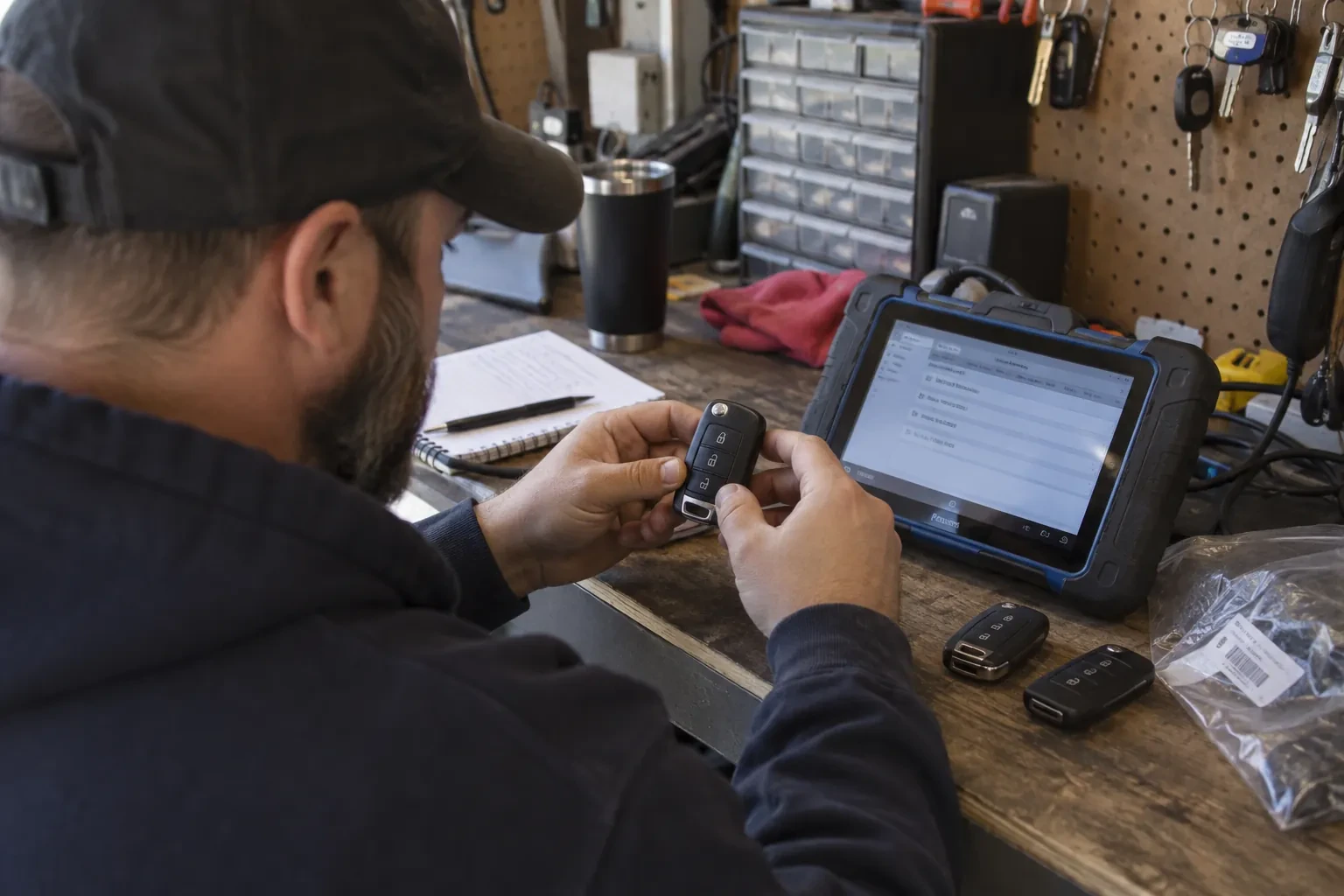
The new key slides into the ignition and turns exactly the way the old one did, but the engine only cranks. A dashboard light blinks near the fuel gauge, and no amount of turning the key gets the car past that cranking sound.
The key still opens the seat and unlocks the fork, but at the ignition it needs a slow half-turn and a small lift before the switch engages, a habit that has crept in over years of daily starts.
Key control is the part people underrate. A patented keyway means blanks are not sold openly and a copy needs an authorised name, so the count of keys stays known. This section explains how that works alongside the hardware that resists force.
You have lost count of how many people have had a key to your house over the years: cleaners, a contractor, a former partner, the previous owner's family.
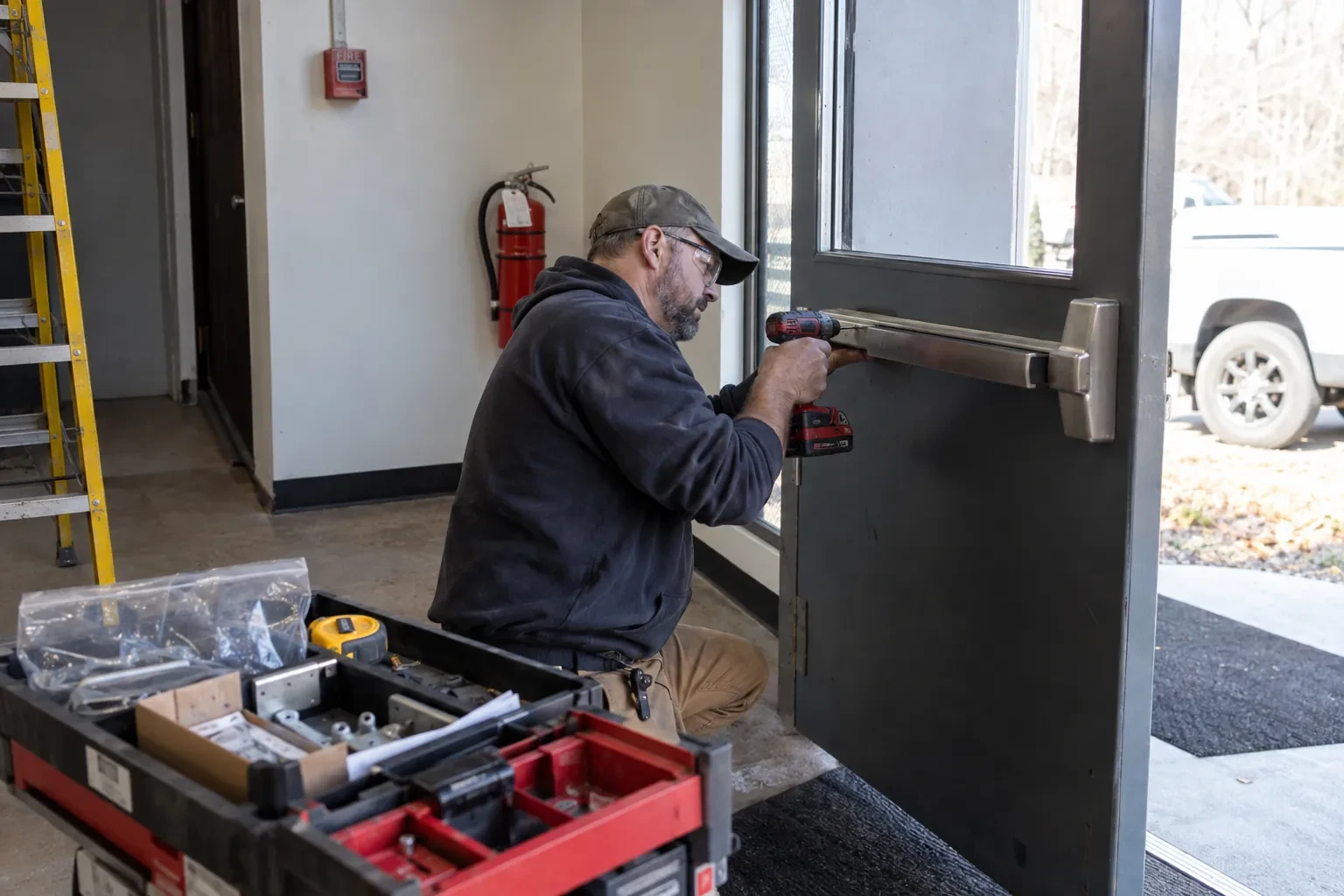
A commercial lockout can mean a locked front door with customers arriving, a jammed back door with a delivery waiting, or a stockroom key gone missing during a shift. Business lockout work opens the door, checks the lock and gets the day back on track.
You signed the lease on the unit last week and the landlord handed over possession, but the previous tenant's locks are still on both doors and no keys came with them.
WhyMost seized locks can be saved, and keeping your existing hardware is the aim.
The builder handed over your new home with a stack of identical keys, and you know the framing crew, the painters and the flooring installers all used a construction key during the build.
WhyIf your door already has a knob or lever bore and nothing above it, adding a deadbolt is a boring job in the literal sense.
The pharmacy's drop safe has a keypad that finally lost power for good, and the little override key that was supposed to live behind the counter cannot be found anywhere.
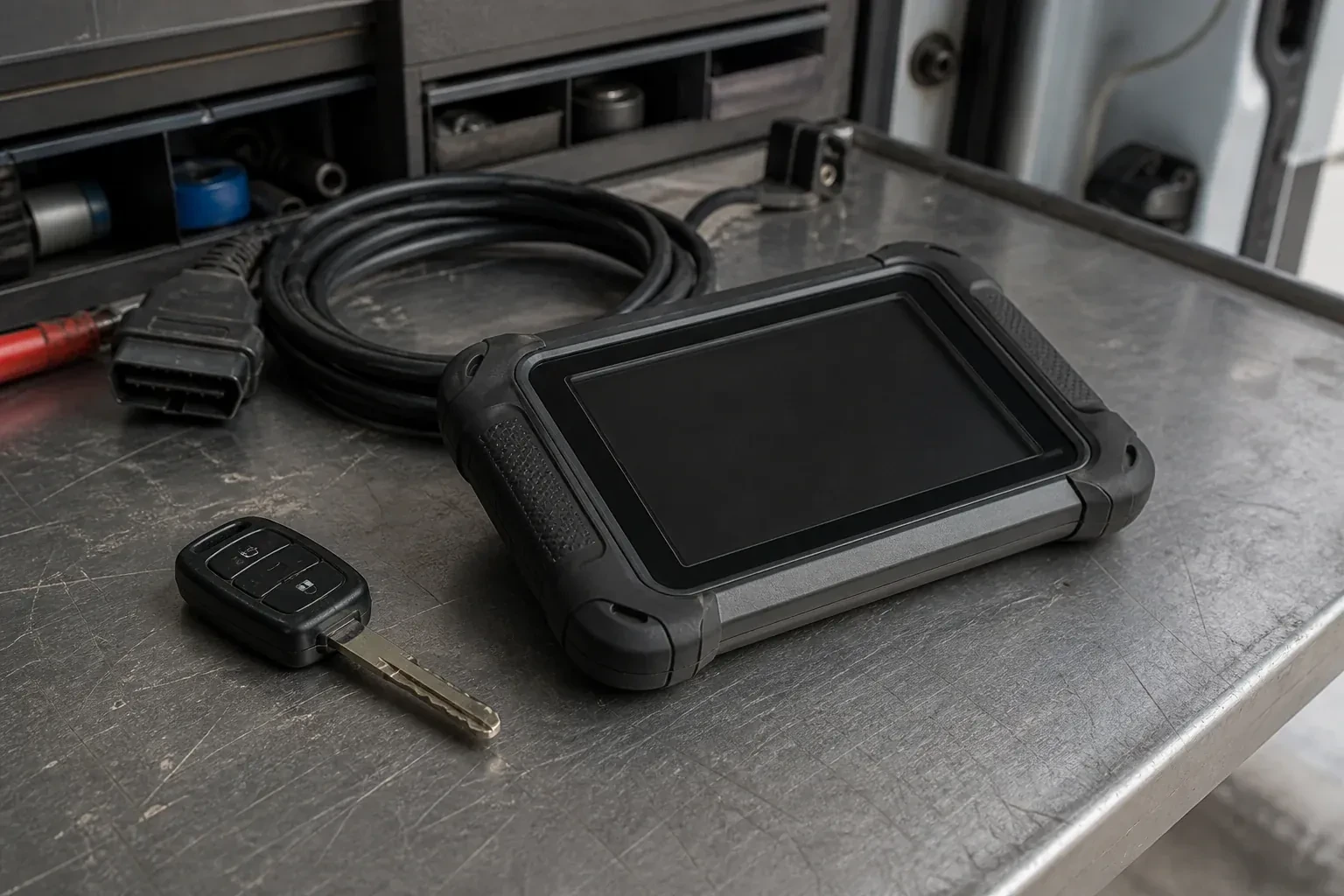
WhyWhen every key for a vehicle is genuinely gone, there is nothing left to vouch for a new one, so the visit starts by re-establishing secure access to the immobilizer's own module, sometimes through the vehicle's manufacturer network.
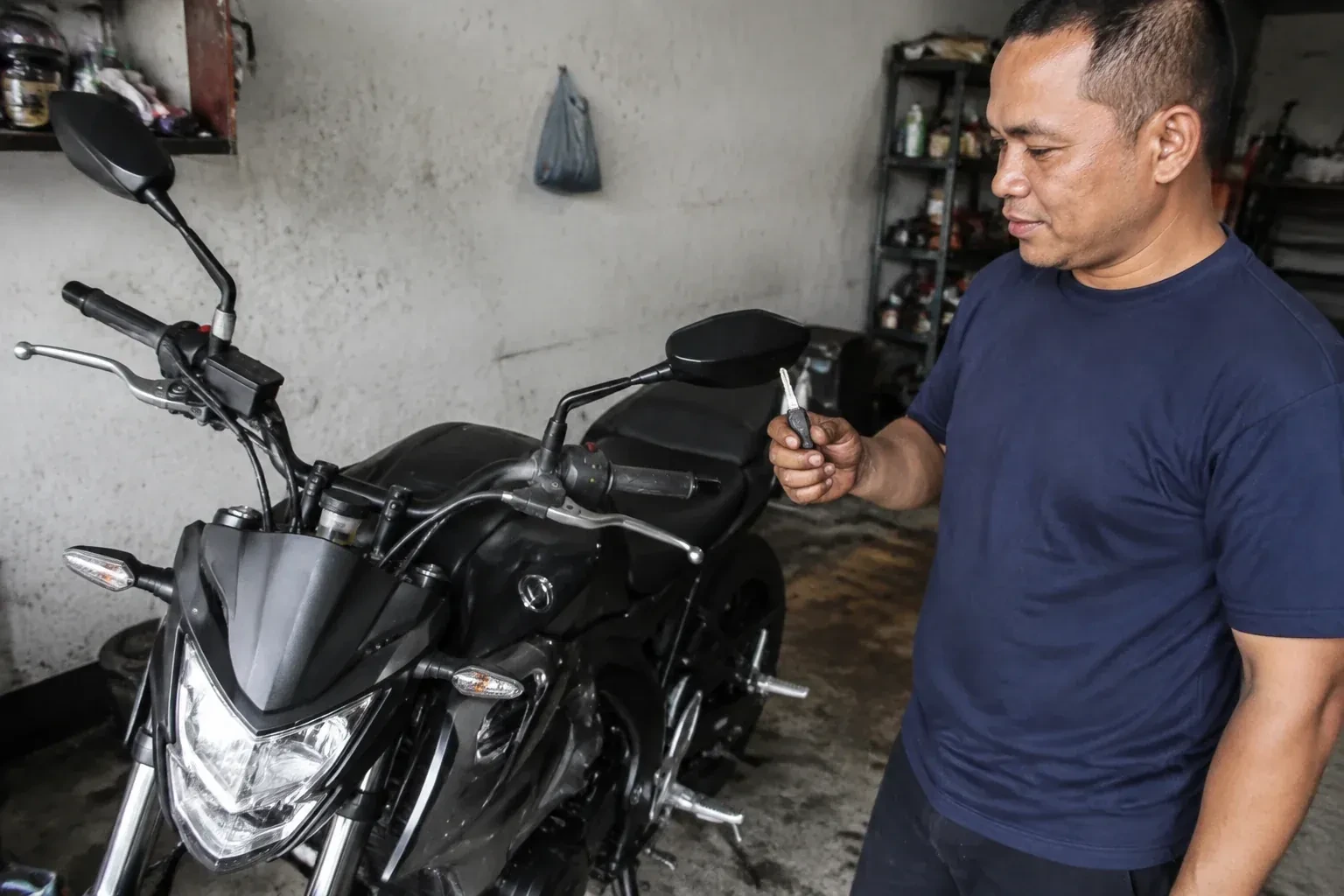
The key still opens the seat and unlocks the fork, but at the ignition it needs a slow half-turn and a small lift before the switch engages, a habit that has crept in over years of daily starts.
WhySometimes the machine is not the problem; the key is.
How a visit goes
Describe the property, the hardware and what has changed, and the visit starts from what you have seen.
1
2
3
01
A look inside the keyway
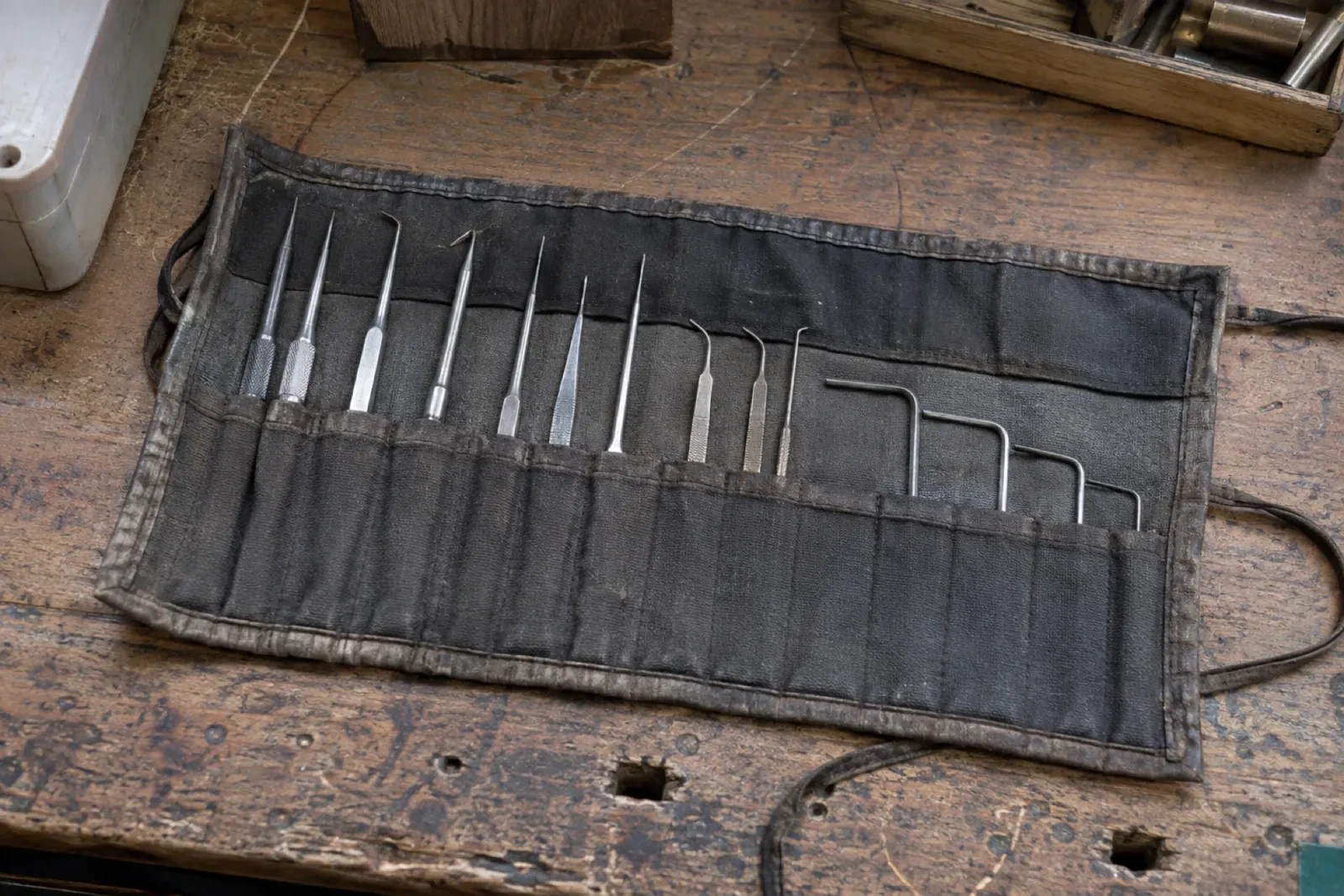
We check how deep the fragment sits and whether the cylinder was already worn or dry. That tells us how to draw the piece out without pushing it further.
02
Drawing the piece out
With extraction tools and patience the broken blade comes out whole. We clean and lubricate the cylinder so the next key goes in smoothly.
03
Cutting a fresh key
A key that snapped was usually tired. We cut a new one from the two halves or from the lock itself, test it and suggest retiring any other worn copies.
What is an interchangeable core, and how do I know if we have one?
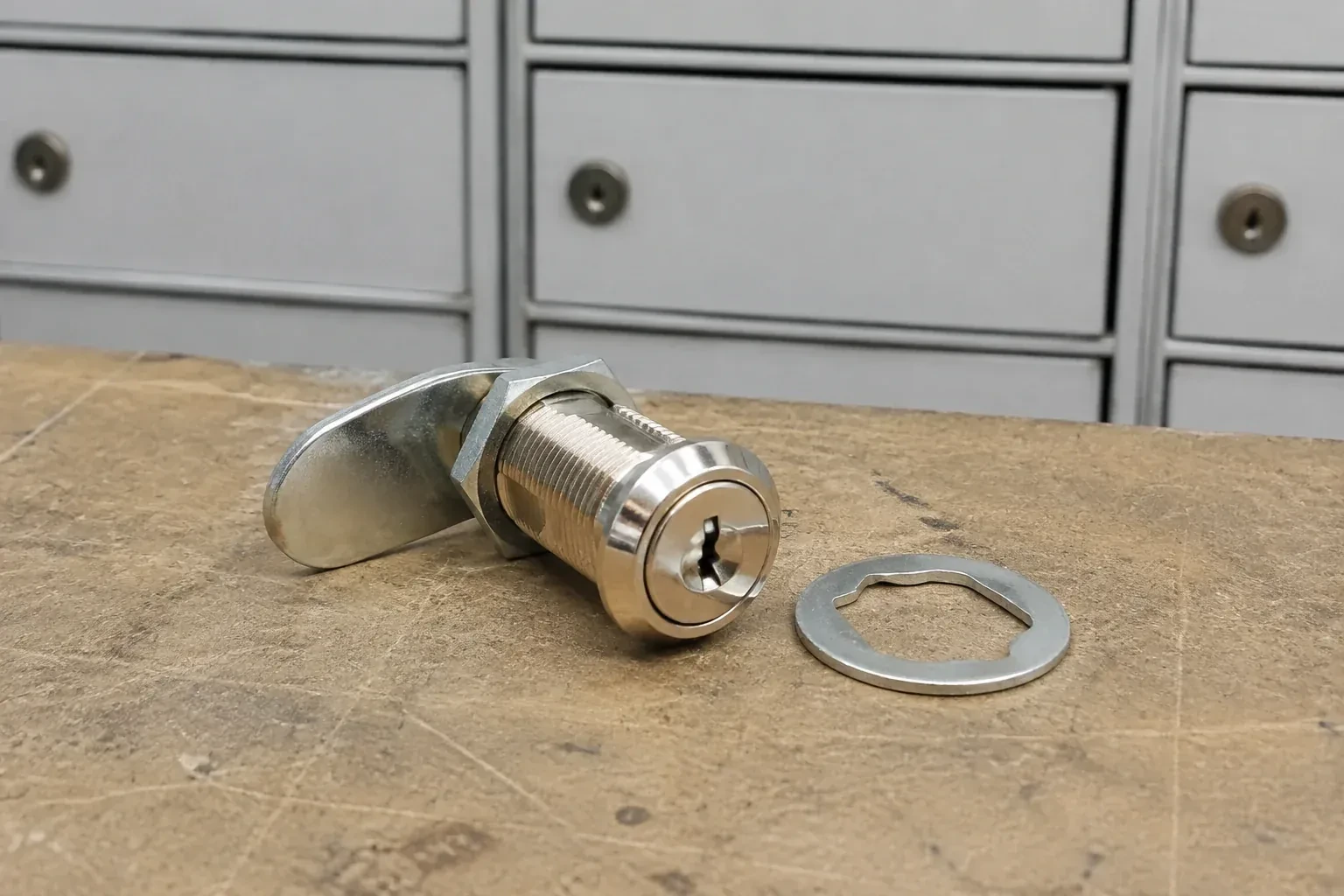
An interchangeable core is a small, self-contained cylinder that slides out of the lock with a special control key and drops back in on a new combination. Look at the keyway: a figure-eight shaped face on a lever or mortise housing is the usual sign. Buildings choose them because a lost key or a staff change is handled by swapping the core rather than taking the lock apart, and a locksmith can carry cores pinned to your system.
It broke while I was locking up and now the door is open. What should I do?
Stay with the door if you can, or ask a neighbour to keep an eye on it, and call. When the locksmith arrives the fragment is removed and securing the door comes ahead of everything else, so you can leave. If the cylinder needs more than a clean, a replacement goes on during that visit rather than leaving the door on a latch overnight.
Do longer screws really make a difference?
A large one. Factory strike and hinge screws are usually short enough to grip only the jamb, a piece of trim about an inch thick. Three-inch screws pass through the jamb and the gap behind it into the stud, so a blow has to move the wall rather than the trim. Lock manufacturers supply reinforcement plates with three-inch screws for exactly this reason, and note that a door beside a sidelight needs a different arrangement because glass sits where the stud would be.
My key turns all the way round but the bolt stays put. What has broken?
The key and cylinder are doing their job; the bar behind the cylinder that drives the bolt, called the tailpiece or cam, has broken, slipped or twisted out of engagement. It is a small part. The locksmith retracts the bolt through the mechanism or removes the cylinder to reach it, then fits a tailpiece of the right length and profile. Your cylinder and keys are unchanged afterwards.
Will I need to prove I own or rent the home?
Yes, and it is a welcome part of the job. Rekeying decides who can enter, so the locksmith confirms the person asking has the standing to make that decision. For an owner that means photo identification alongside a document that links them to the property, for instance a property tax notice or the closing statement. A manager brings the owner's written authorization. A tenant mentions that the landlord has agreed and will be given a key, since tenancy rules here expect both to hold one.
The door has to be pulled before the old bolt will lock. Will a new one fix that?
The new bolt will only lock as smoothly as the door and frame let it, so the locksmith deals with the cause as part of the installation. A door that has sagged on loose hinges gets longer hinge screws or a shim, thick weatherstrip is trimmed, and the strike is set from the bolt's actual position with the door closed. The pocket is bored deep enough for a full throw. Afterwards the bolt should slide with fingertip effort.
Do drop safes or under-counter cash safes work the same way as a larger floor safe?
The identification step is the same regardless of size, but the lock inside is not assumed from the safe's size: a small drop safe or under-counter unit can carry anything from a basic keypad to a high-security lock, so each is identified on its own before manipulation, reset or a combination change proceeds, with the same care around authority and aftercare applying equally.
My key turns and the engine cranks, but it won't start. Is that this?
That pattern, the starter turning the engine over without it catching, often points to the key or immobilizer rather than a fuel or ignition-timing fault. A flashing security light on the dashboard while this happens adds to that picture. A diagnosis, checking whether the vehicle actually recognizes the key's chip, is what confirms which one it is before any programming begins.
Do all motorcycles have an immobiliser these days?
Not all of them. Many machines built in roughly the last two decades carry a transponder chip and an ignition module that checks it, but plenty of smaller-displacement bikes, scooters and older machines still use a purely mechanical lock with no electronic layer at all. The locksmith checks for a coil around the ignition barrel and asks how the engine behaves with the current key to tell which type is on hand.
Request a visit
You will not be talked into more than the door needs. In Kennedy Park we grade what is fitted, name the one change that would matter most, and stop there unless you ask for more. A household that wants the full upgrade can have it; a household that wants the sticking bolt fixed gets exactly that, done properly.