Locksmith in The Golden Mile, OntarioCalm handson your door
A lock problem is rarely only a lock problem. It is a door that swells shut in a damp week, a key that snapped on a cold morning, a tenant who left without handing anything back. In The Golden Mile we listen first, explain the options, and do tidy work you can see before we drive off.
A lock problem is rarely only a lock problem. It is a door that swells shut in a damp week, a key that snapped on a cold morning, a tenant who left without handing anything back. In The Golden Mile we listen first, explain the options, and do tidy work you can see before we drive off.
Doors that close, lock and stay locked.
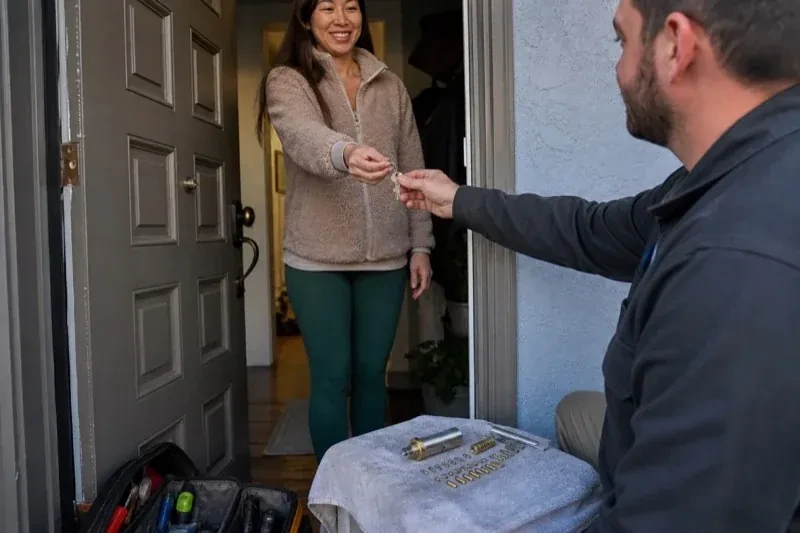
For businesses in The Golden Mile we keep records. Which cylinders were pinned to which key, how many keys were cut, which doors carry a master, when the closers were last adjusted. That paperwork lands in your inbox after the visit so the next staff change or the next audit is a matter of reading a page rather than calling around.
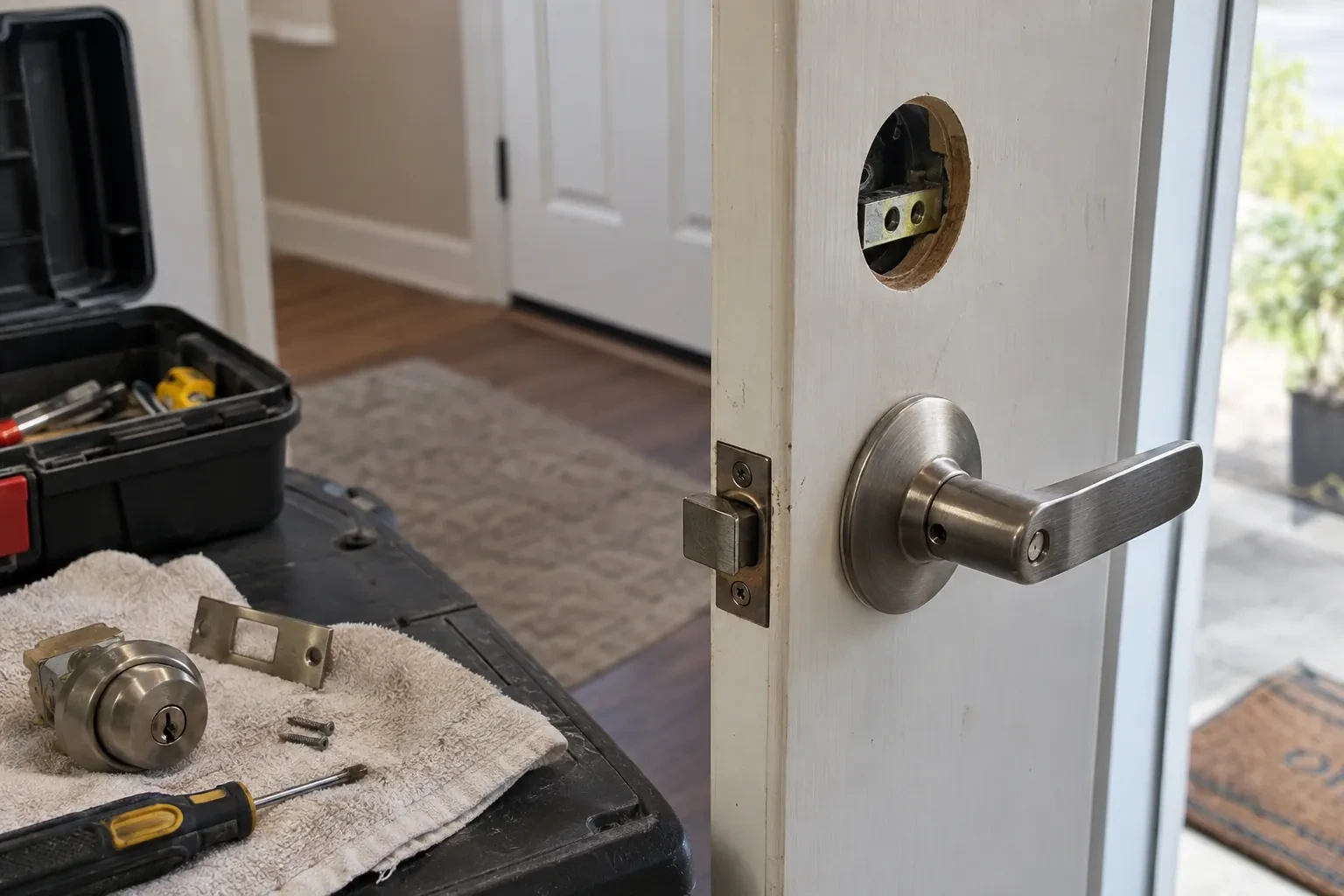
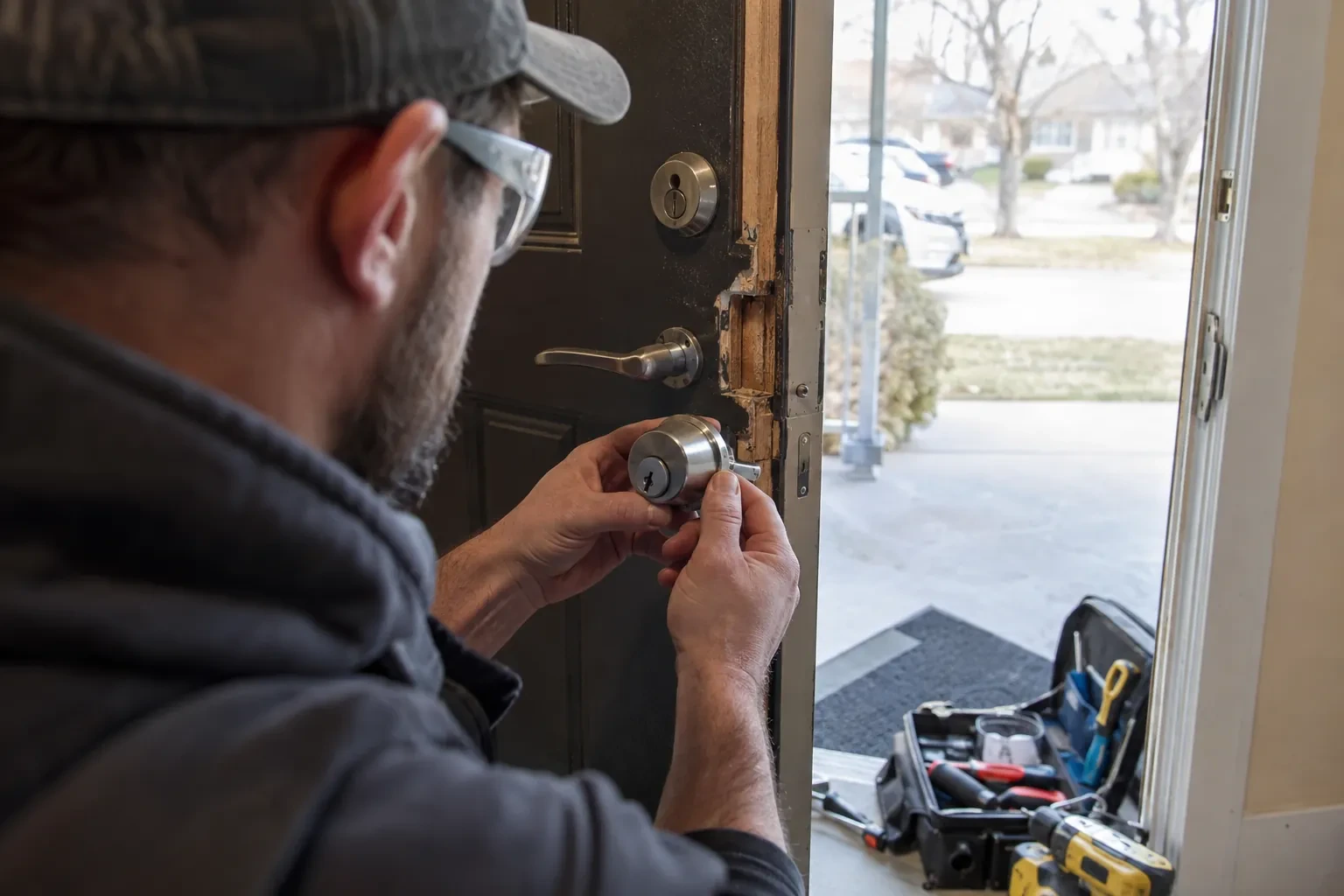
If you have just bought a home in The Golden Mile, we suggest rekeying every exterior door to a single new key. The seller, the agent and every tradesperson who had a copy are then out of the picture, and you carry one key instead of a ring. While there, we check that each door closes and latches and point out anything worth watching.
31years in business
24/7open every day
Clear about who can get in. After any rekey or replacement we tell you exactly which keys work and how many copies exist. Key control is the point, and you should have the full picture.
Careful with the building. We protect floors and finishes, work around your day where we can, and treat a shop or office with the same care as a home.
The choice explained in your terms. Rather than product names, we talk about what each option means for you: who has access, how it copes with weather, how easy it is to change later.
Lock work in The Golden Mile is rarely just one thing. A lockout often reveals a worn cylinder; a rekey is a good moment to fix a strike that never lined up. The services below are described one at a time, but a locksmith at your door will happily point out anything else worth doing while he is there.
About 58% of homes in Toronto were built in 1980 or earlier, according to the 2021 Census.
Older homes
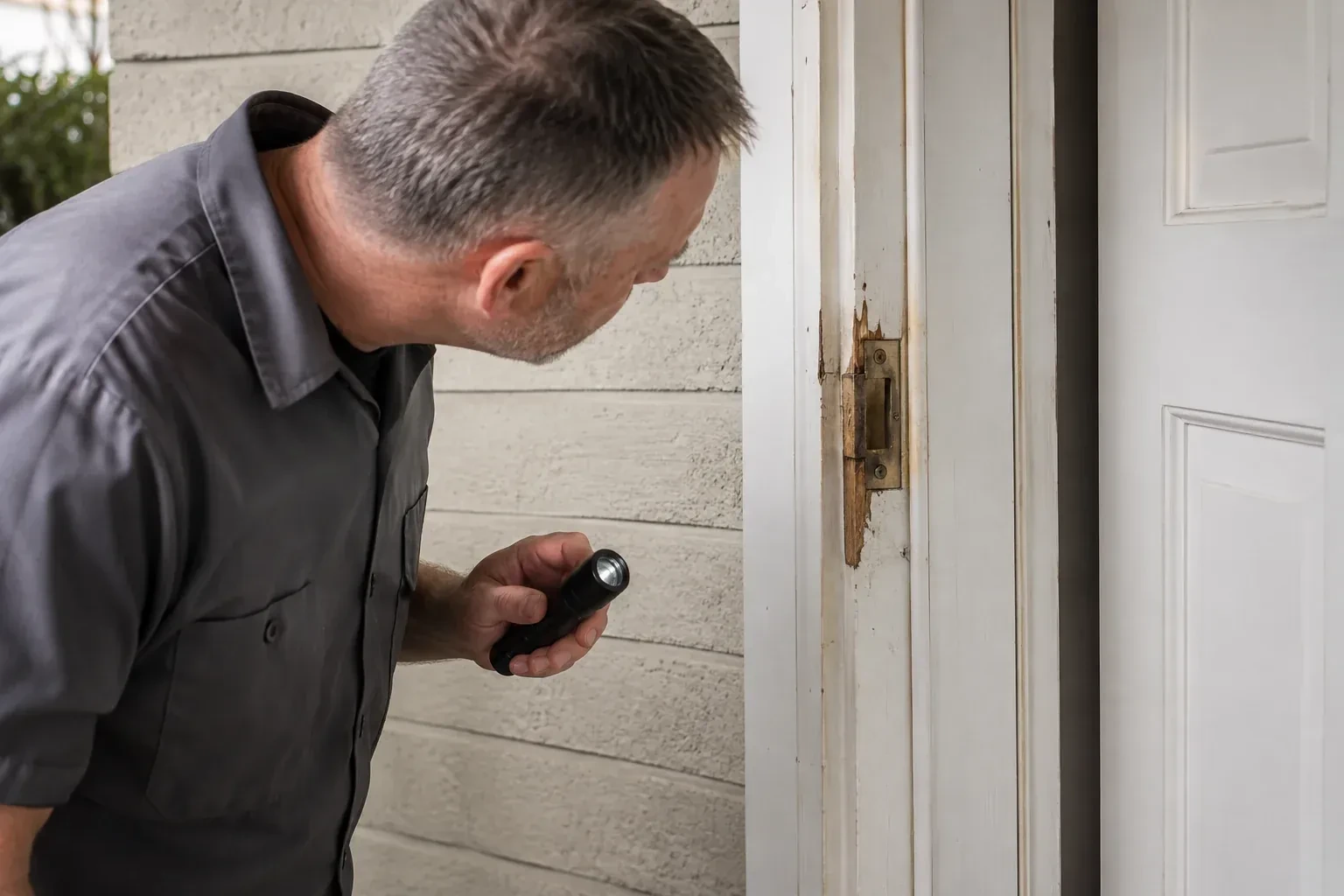
Older housing means older frames. Wood that has settled for years leaves strikes slightly out of line, so a bolt drags or needs a lift of the handle. A locksmith expects this and brings the shims, longer screws and strike plates to correct it.
Single-detached houses make up about 23% of homes in Toronto (2021 Census).
Attached housing turns over more often than detached, so rekeying between tenants or owners is a constant. Because suite doors tend to be standard, the job is usually a straightforward pin change and a fresh set of keys cut on site.
Someone pushed the privacy button on the bathroom door and pulled it shut behind them, leaving the room locked and empty. The little emergency slot on the outside is stripped, and the tiny release key that came with the handle disappeared years ago.
A roommate tried to help with tweezers, then by gluing the other half to it. The fragment is now further in than it started, there is dried glue around the keyway, and the front door still does not open.
The old mortise lock on the front door of the house turns the key halfway and stops with a dull clunk. It has been getting harder for months, and the brass key is starting to show a bend.
You have lost count of how many people have had a key to your house over the years: cleaners, a contractor, a former partner, the previous owner's family. The lock still works, but you no longer know who else it works for.
After a busy shift the manager counts the keys coming back in and loses track of who still has one. The walk-in cooler, the liquor cage and the office desk are all supposed to be separate, but the same battered key seems to fit two of them.
Head office wants a record of who opens the branch and when, tied to an actual name rather than a shared code scrawled on a sticky note taped under the till.
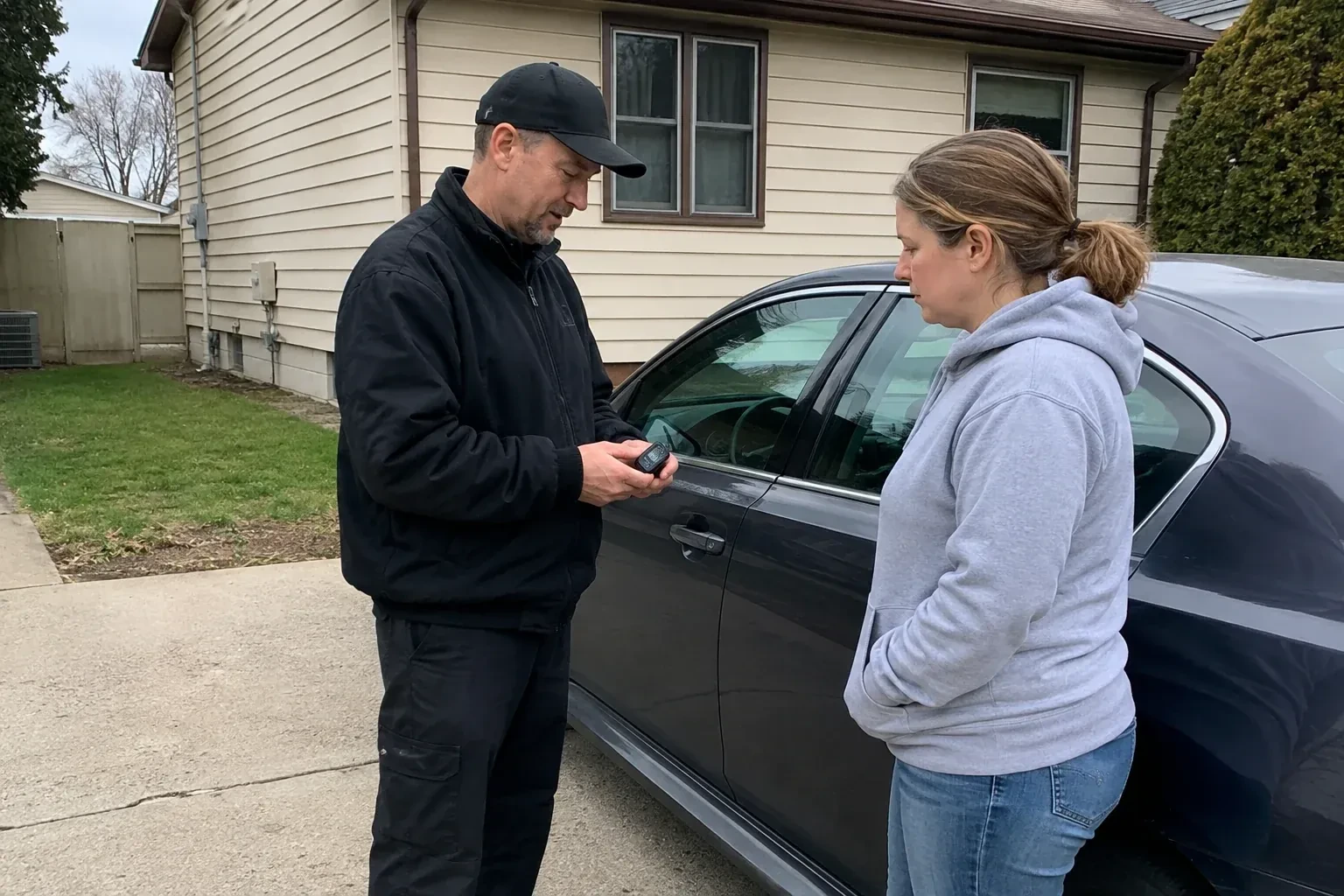
The trunk is full of groceries, the cart is back in its corral, and the keys are sitting in the cup holder in plain view. Every door handle lifts and stops. The car locked itself the moment the last door closed, and it is a warm afternoon.
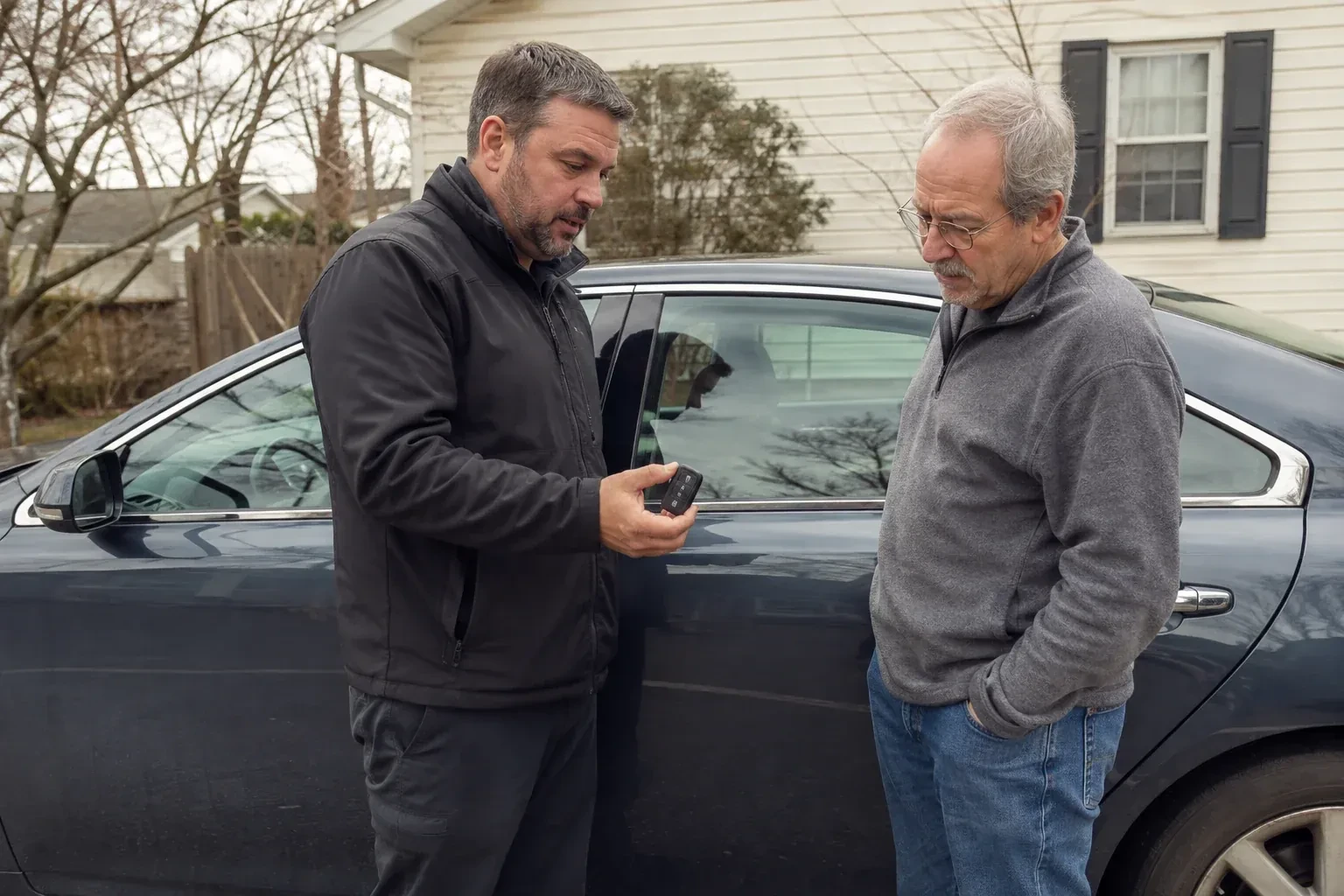
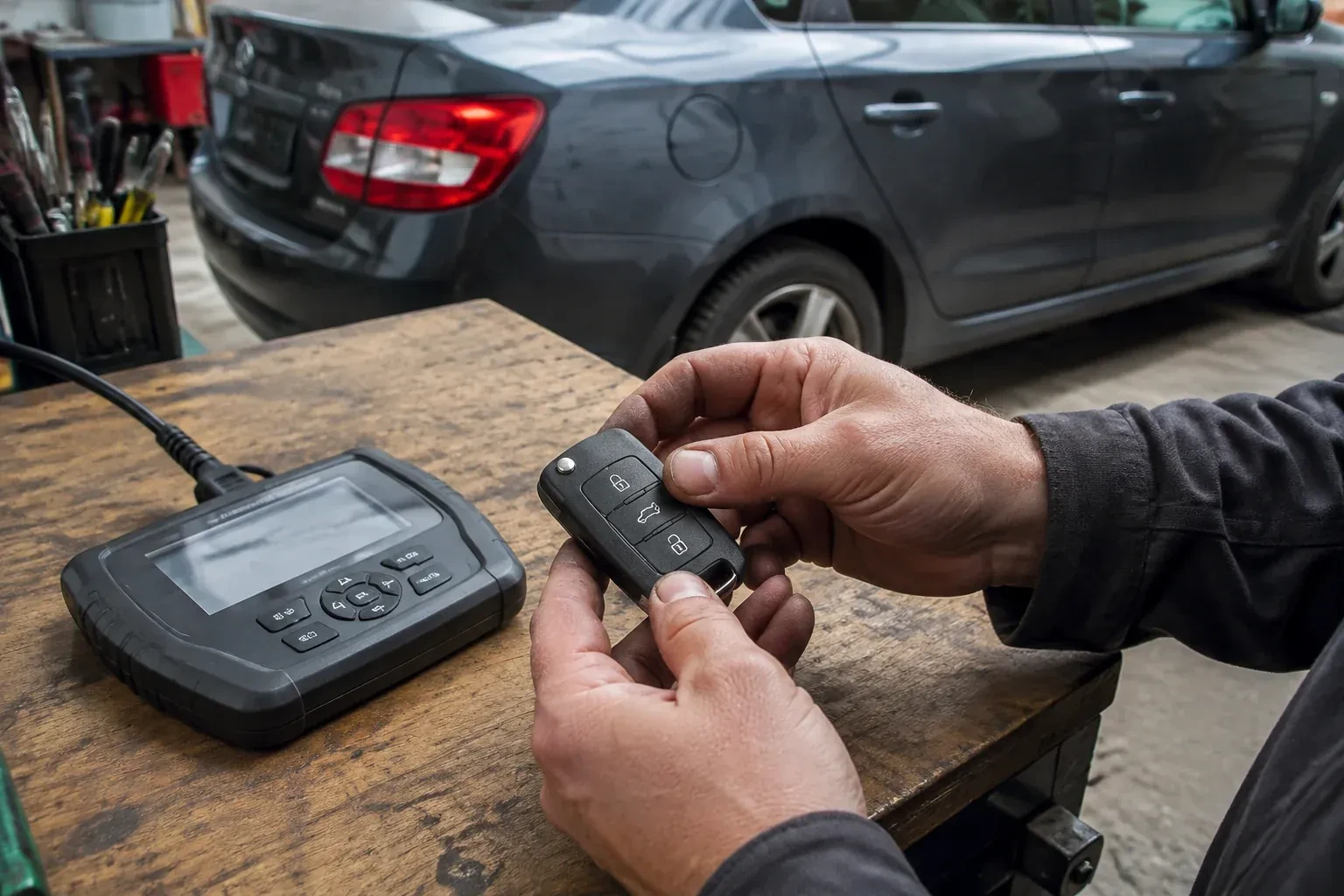
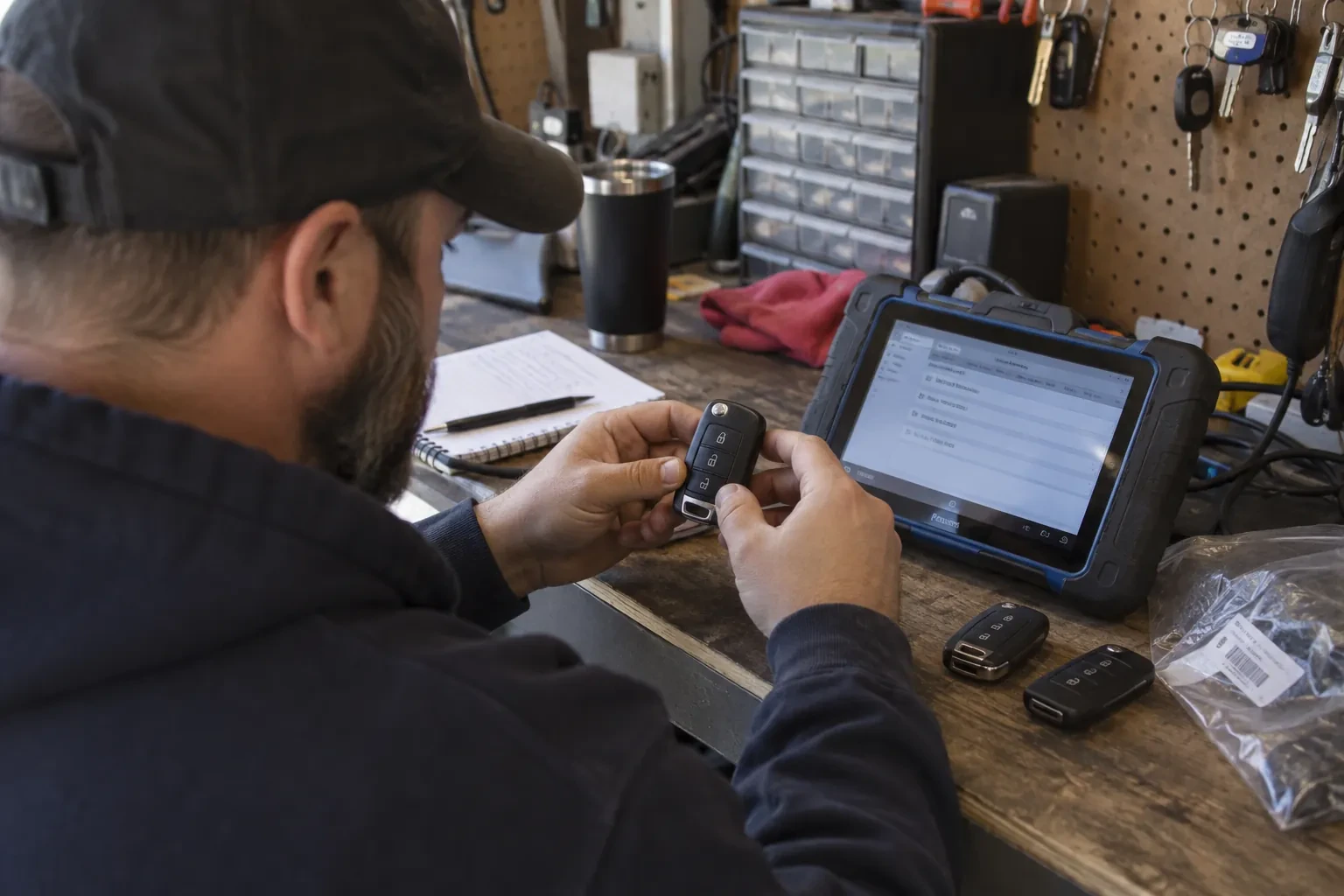
The engine cranks, catches for a second and dies, and a small key-shaped light keeps blinking on the dash. The blade turns the ignition and the doors perfectly well, but the car has stopped recognizing the chip inside the key.
After a cold night the driver's door key barely goes in, and when it finally seats it stops halfway and will not turn any further. Meltwater from the day before ran into the keyway and the overnight drop in temperature sealed it solid.
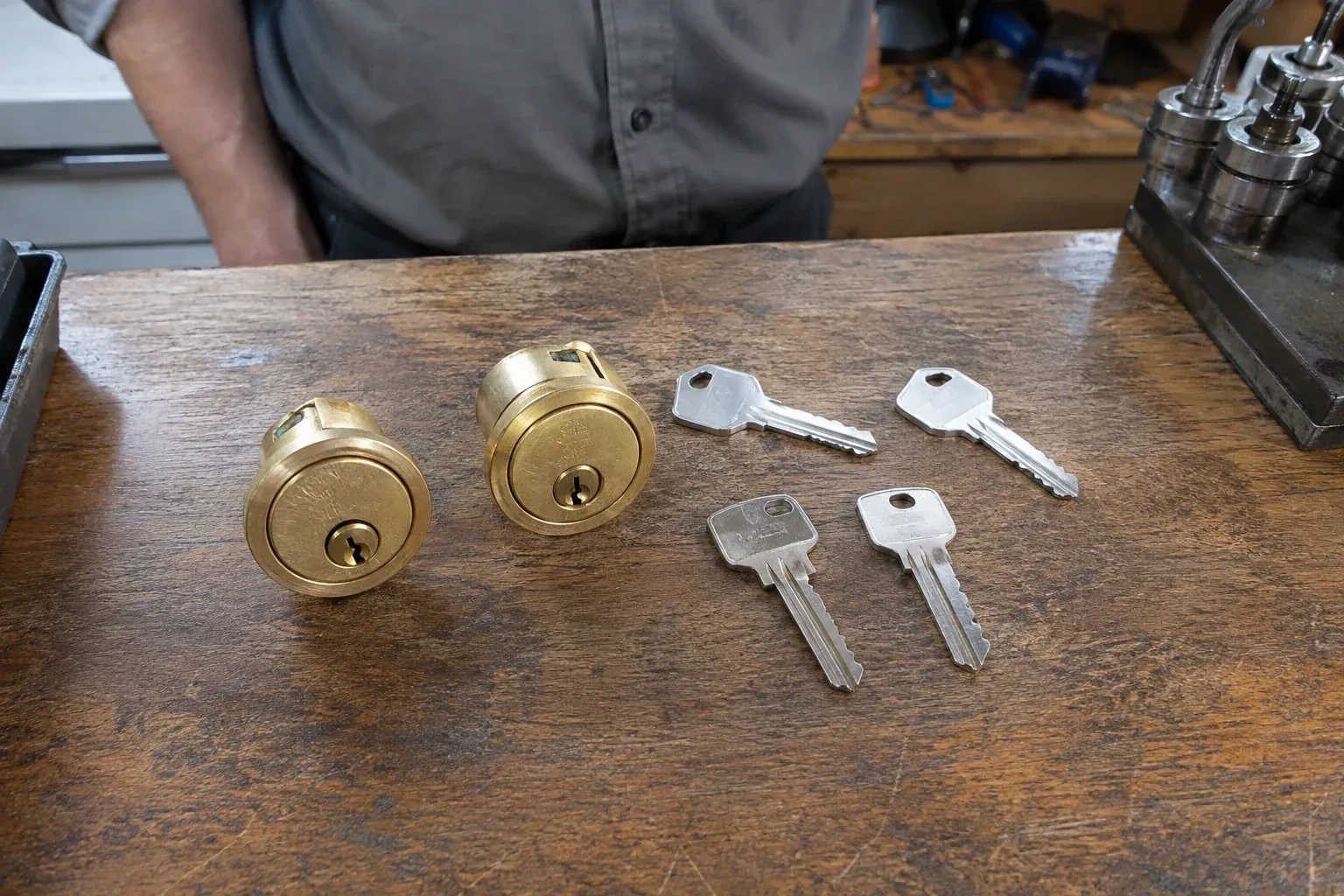
Key control is the part people underrate. A patented keyway means blanks are not sold openly and a copy needs an authorised name, so the count of keys stays known. This section explains how that works alongside the hardware that resists force.
You have lost count of how many people have had a key to your house over the years: cleaners, a contractor, a former partner, the previous owner's family.
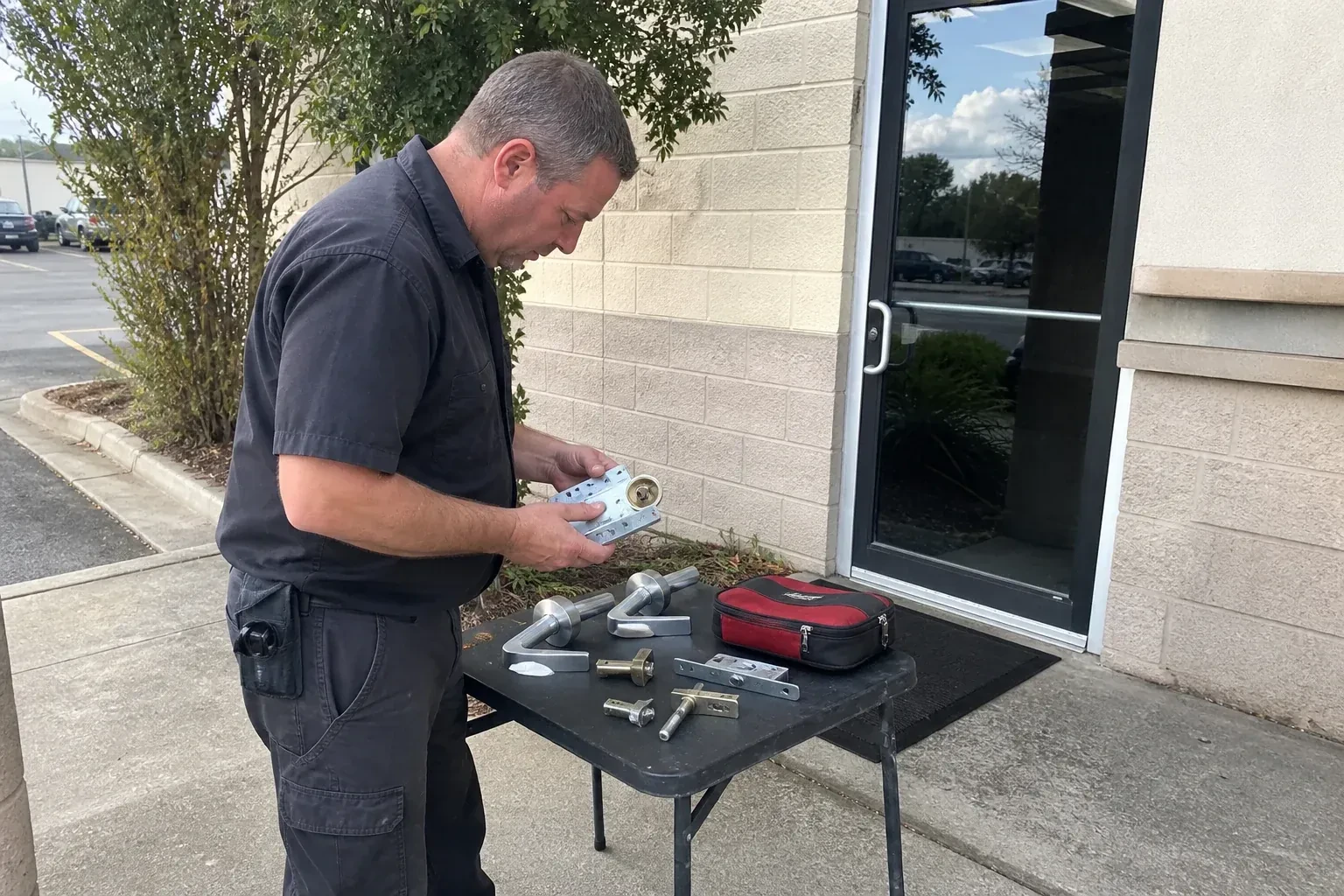
A commercial lockout can mean a locked front door with customers arriving, a jammed back door with a delivery waiting, or a stockroom key gone missing during a shift. Business lockout work opens the door, checks the lock and gets the day back on track.
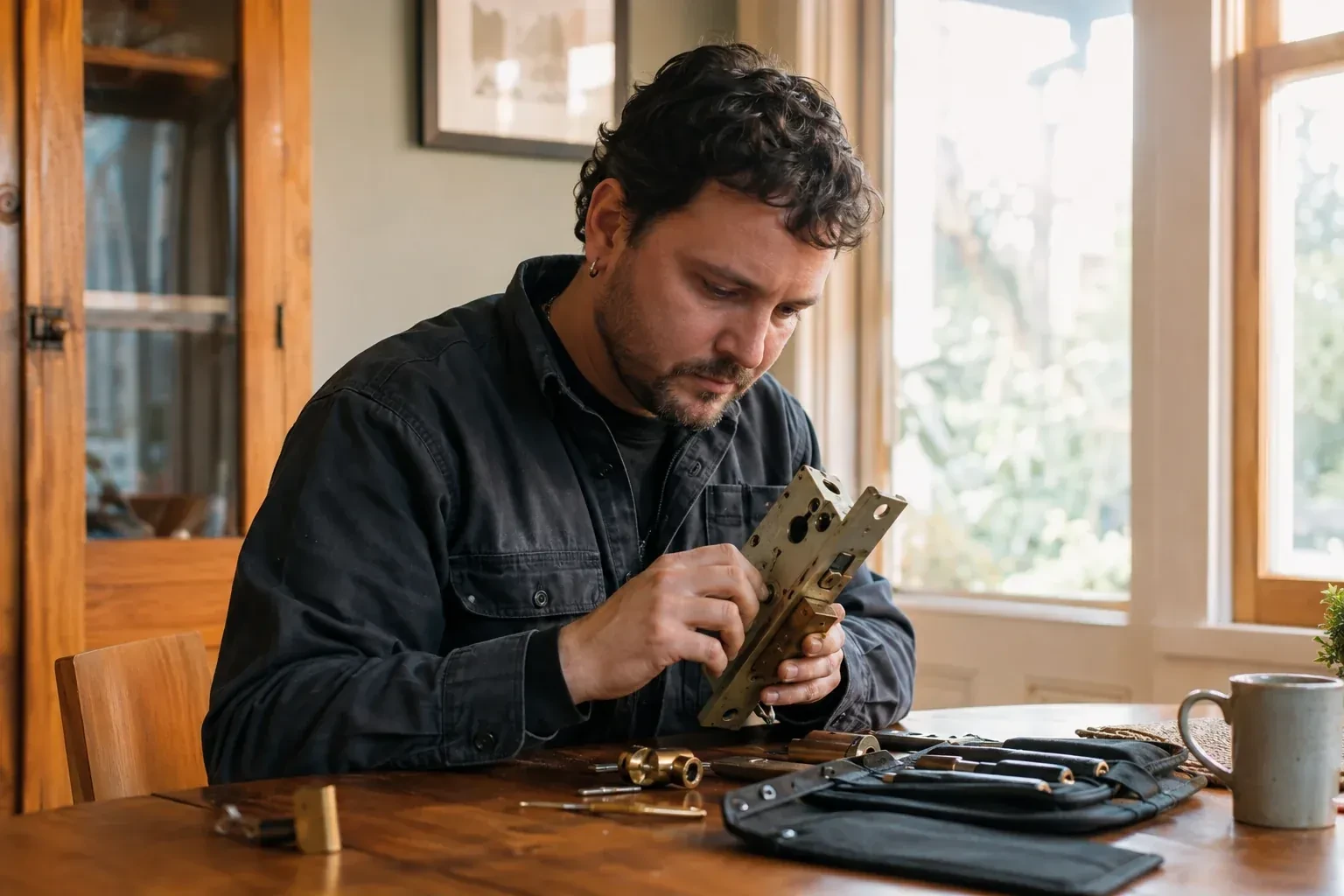
WhyOn storefronts, offices and older houses the hardware is often a mortise lock with a lever, and the jam is frequently inside the case, not the cylinder.
You have lost count of how many people have had a key to your house over the years: cleaners, a contractor, a former partner, the previous owner's family.
WhyA master key hierarchy usually has three layers.
Head office wants a record of who opens the branch and when, tied to an actual name rather than a shared code scrawled on a sticky note taped under the till.
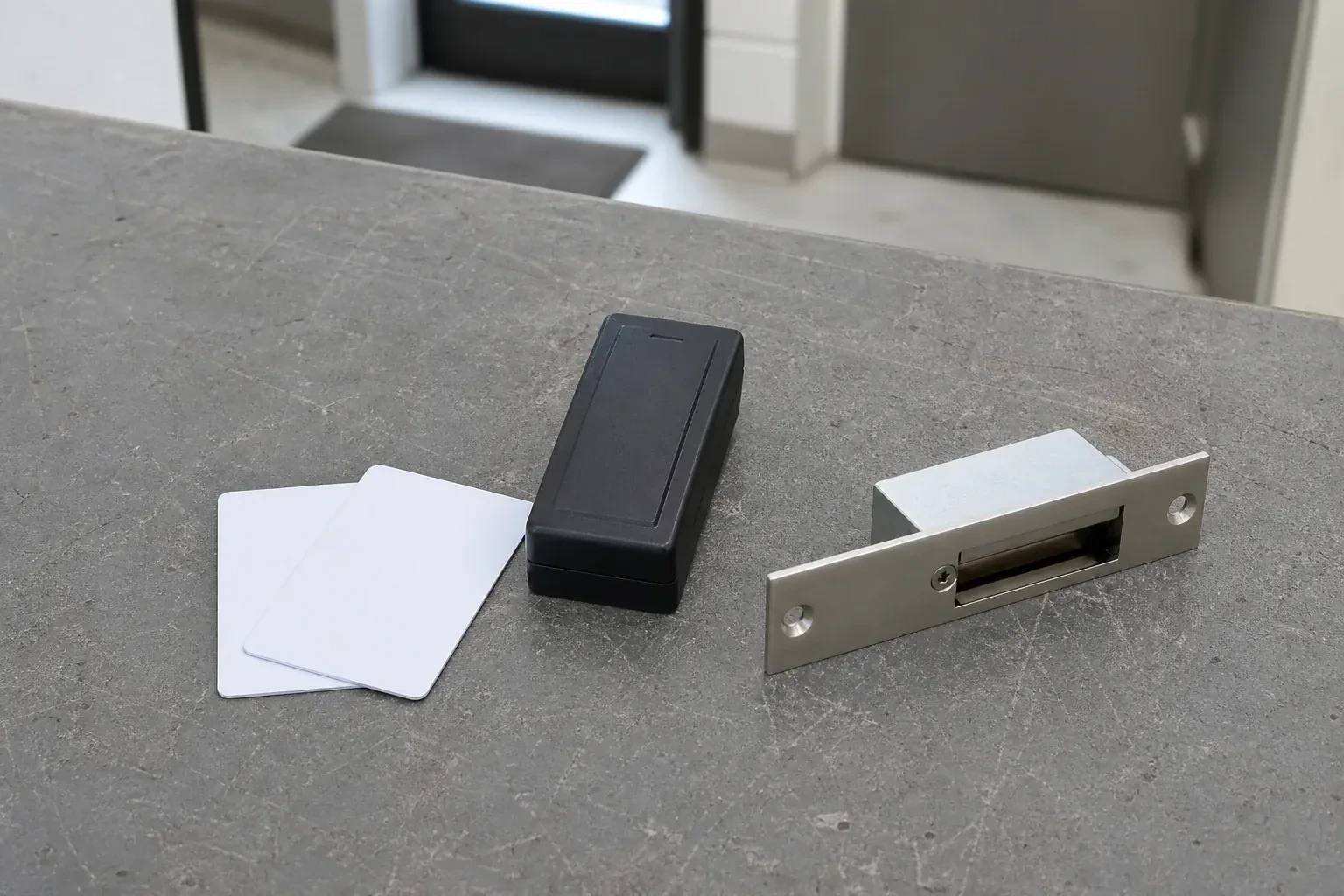
WhyAccess control installation swaps a shared metal key for an electronic one: a card, a fob, a code, or a phone tap that a controller checks against a list the business manages.
The trunk is full of groceries, the cart is back in its corral, and the keys are sitting in the cup holder in plain view.
WhyWeather leaves its mark on vehicle locks over the years.
How a visit goes
Describe the property, the hardware and what has changed, and the visit starts from what you have seen.
1
2
3
01
A look inside the keyway
We check how deep the fragment sits and whether the cylinder was already worn or dry. That tells us how to draw the piece out without pushing it further.
02
Drawing the piece out
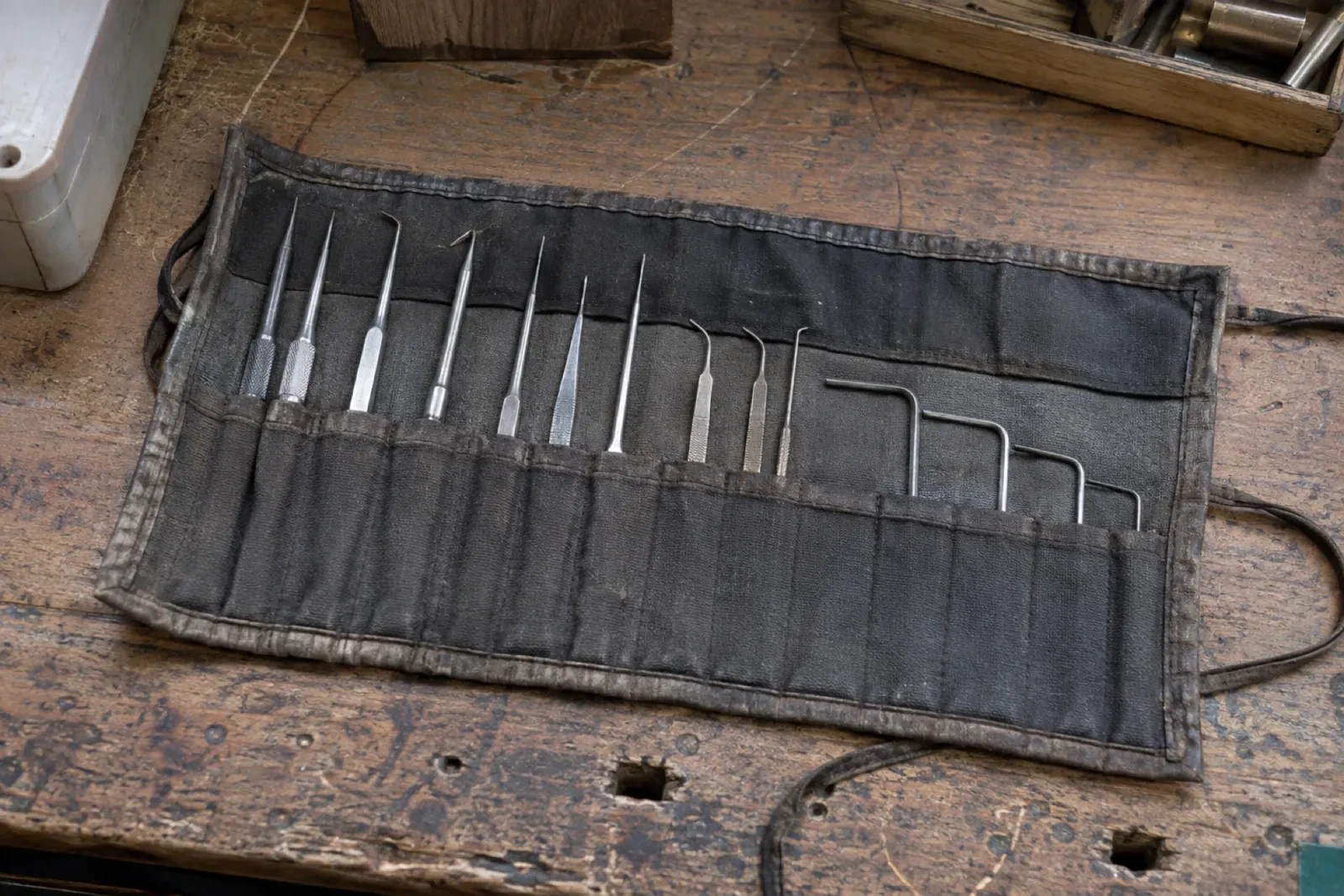
With extraction tools and patience the broken blade comes out whole. We clean and lubricate the cylinder so the next key goes in smoothly.
03
Cutting a fresh key
A key that snapped was usually tired. We cut a new one from the two halves or from the lock itself, test it and suggest retiring any other worn copies.
What is the difference between rekeying and replacing a lock?
Rekeying keeps the lock you have and changes only the pins inside the cylinder so a new key operates it and the old one no longer does. It suits hardware that is in good shape and simply needs a fresh key. Replacing swaps the whole lock or cylinder for new hardware, which makes sense when the existing lock is worn, damaged, of low grade, or when you want a different style or a keypad. Either can be done during a lockout visit.
It broke while I was locking up and now the door is open. What should I do?
Stay with the door if you can, or ask a neighbour to keep an eye on it, and call. When the locksmith arrives the fragment is removed and securing the door comes ahead of everything else, so you can leave. If the cylinder needs more than a clean, a replacement goes on during that visit rather than leaving the door on a latch overnight.
My key turns all the way round but the bolt stays put. What has broken?
The key and cylinder are doing their job; the bar behind the cylinder that drives the bolt, called the tailpiece or cam, has broken, slipped or twisted out of engagement. It is a small part. The locksmith retracts the bolt through the mechanism or removes the cylinder to reach it, then fits a tailpiece of the right length and profile. Your cylinder and keys are unchanged afterwards.
How long does the installation take?
A cylinder swap with new keys on one door is a short visit. A new deadbolt, reinforced strike and frame repair takes longer, and several doors keyed to a plan take longer again, mostly in bench time pinning cylinders. The locksmith gives you a realistic estimate once the doors have been looked at, because the frame condition and the door preparation matter more than the count of locks alone.
How long does designing and installing a master key system take?
It depends on the number of doors and levels involved. A small business with a handful of doors and one or two levels moves through assessment, pinning and testing in less time on site than a multi-floor property with several departments and a top-level master, where more doors, more testing and more keys to cut all add to the work involved.
Can the system be expanded to more doors later?
Yes. A system installed with some spare capacity in its controller and power supply can usually take another door or two by adding a reader and lock and wiring it back in. A door far from the existing wiring can instead run its own standalone unit. Either way, existing schedules and credentials do not need to be rebuilt from scratch.
It is a rental or a company vehicle. Can you open it for me?
Yes, with the paperwork that fits. For a rental, the agreement in your name plus photo identification does the job; the rental company's roadside line may also want a call, and the locksmith can leave a written note of what was done for the return desk. For a company vehicle, a fleet manager or supervisor who can confirm you are assigned to it settles the question, and the same note keeps the fleet's records straight.
Can you make a key if every key to the car is gone?
Often, yes, for vehicles with a supported conventional key system: the car is opened, a blade is produced by decoding the door lock or retrieving the factory key code, and the immobilizer is reset so the missing keys are erased before new ones are stored. A key-card or phone-key vehicle, or one needing a dealer procedure, follows its own route instead, which is why the VIN is asked for on the first call.
Why has my key fob suddenly stopped working?
A dead coin-cell battery is the most common reason, and it is a straightforward fix once the fob is opened. Less often, the fob has lost its pairing with the vehicle or its case has cracked and let in moisture, both of which a locksmith can check and address.
Request a visit
For businesses in The Golden Mile we keep records. Which cylinders were pinned to which key, how many keys were cut, which doors carry a master, when the closers were last adjusted. That paperwork lands in your inbox after the visit so the next staff change or the next audit is a matter of reading a page rather than calling around.