Car keys · Toronto
Vehicle Lock Repair
You line the key up with the trunk lock, turn it, and feel nothing catch.
In plain words
A vehicle's central locking is built to move some or all of its doors, and sometimes the trunk or fuel flap, together on one command, with the exact coverage set by the vehicle itself; a single weak link shows up as one point that lags behind or ignores the command it should answer. Vehicle Lock Repair traces that one point back through its wiring and actuator, separate from the doors that are already working, and repairs or replaces only the failed link so the set answers the remote the way it is designed to again.
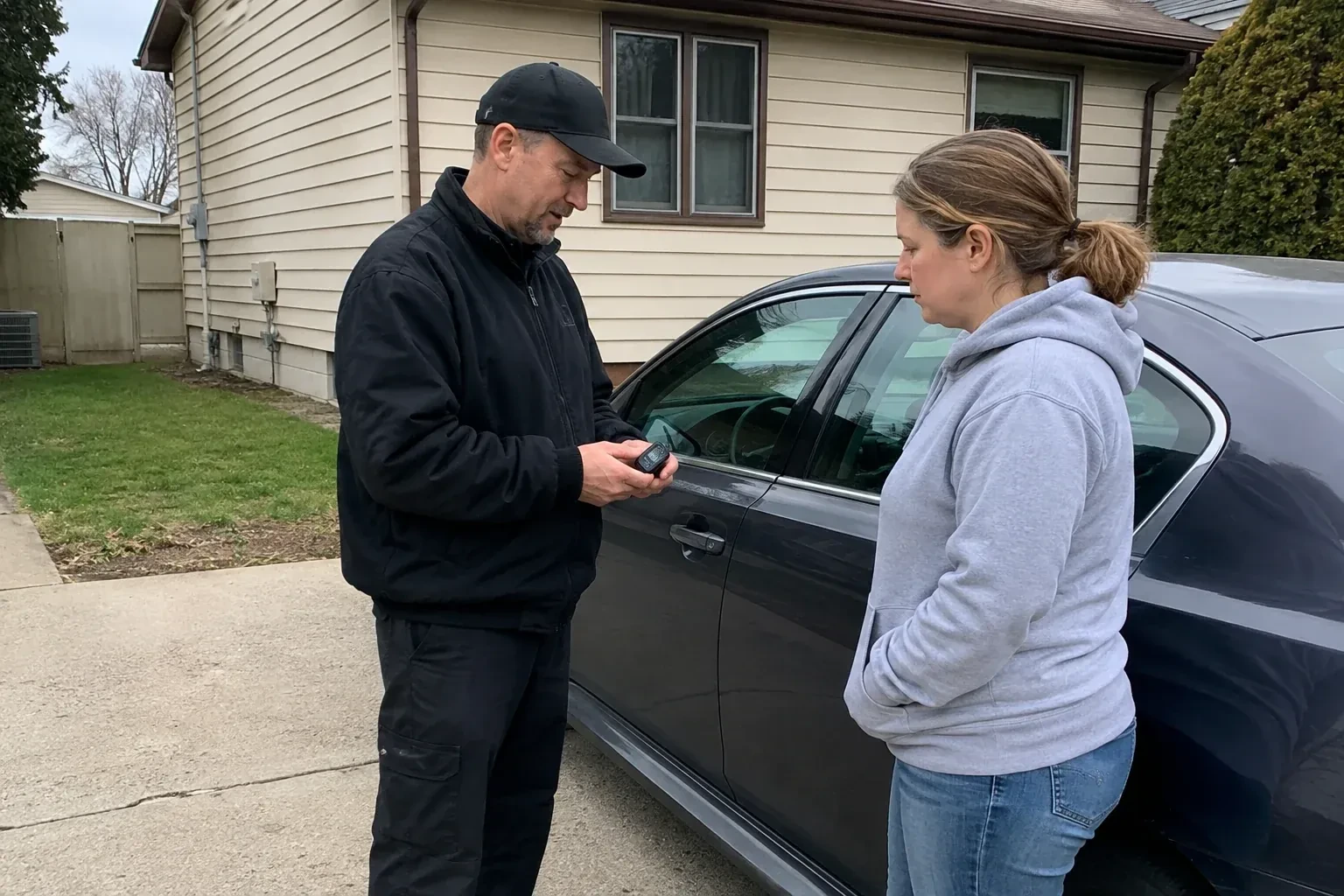
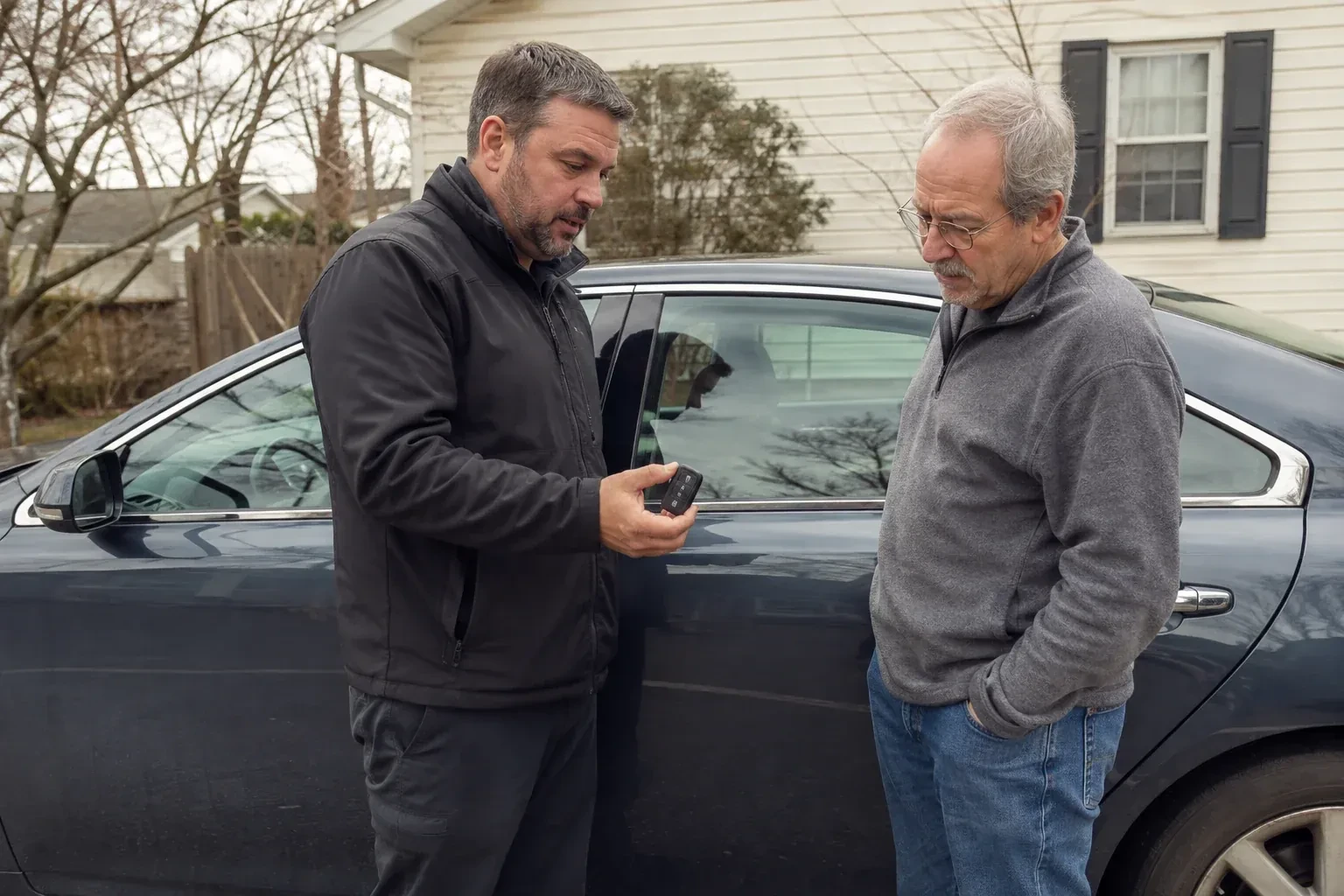
How the visit goesThe button on your key fob does nothing now: no beep, no flash of the lights, no click from the doors. The metal blade folded inside the fob still turns the door by hand, so you are getting in and out, just without the remote.
Vehicle Lock Repair
How the visit goes
Confirming the vehicle is yours to work on
Before any panel comes off, the locksmith confirms that the person asking for the repair has the right to have it done. The vehicle's registration document, matched against the vehicle identification number stamped on the dash or door jamb, is the simplest route, and a rental agreement or fleet authorization does the same job for a vehicle you do not personally own. This step protects every vehicle a locksmith is asked to open or repair, including yours, and it happens before the first tool touches the door.
Working from the least invasive point first
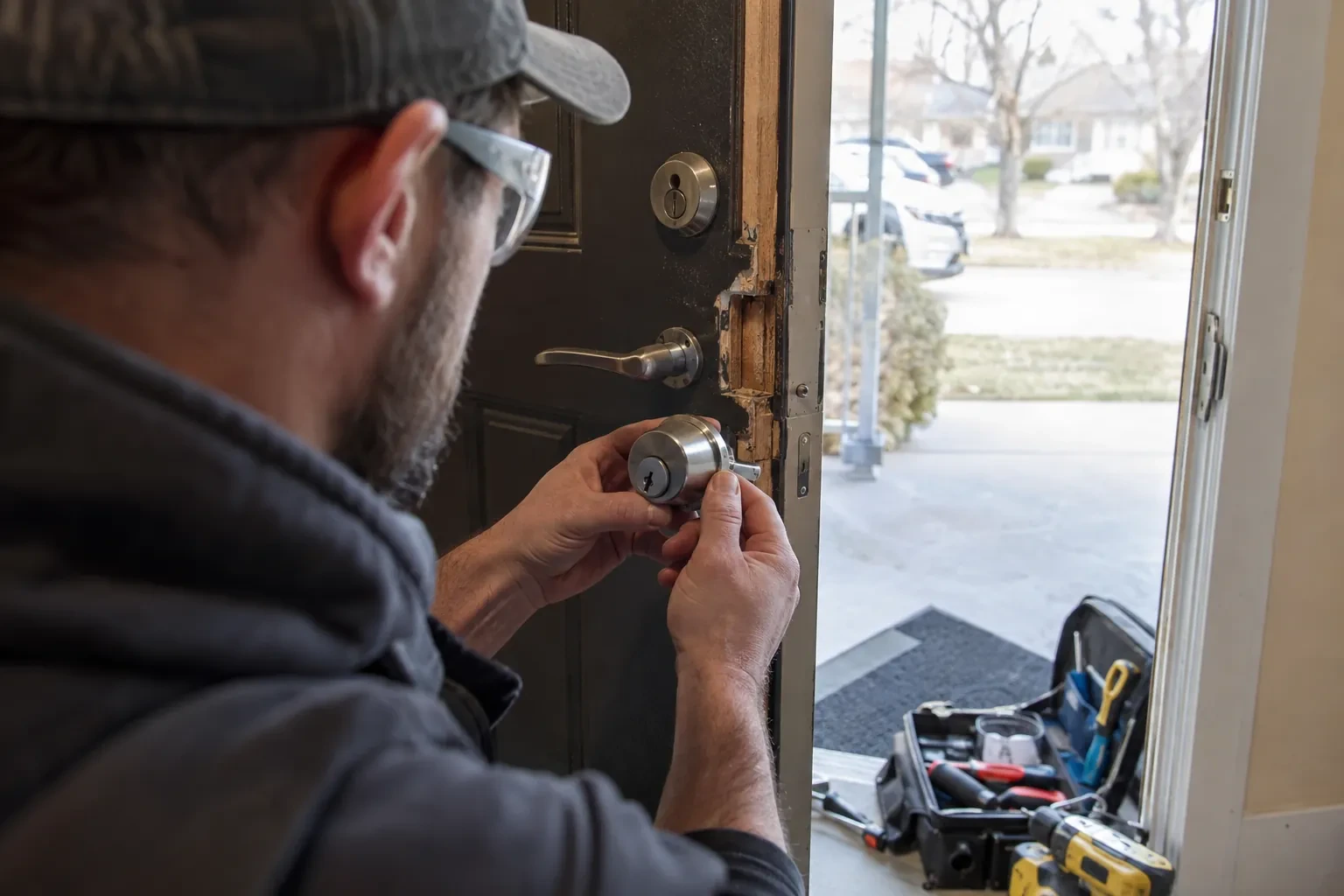
Once the failed part is identified, the repair starts with the simplest fix that solves it. A disconnected linkage rod is reclipped rather than replaced, a dirty cylinder is cleaned and lubricated before it is condemned, and a stiff key is tried against a freshly cut replacement before the lock itself is disturbed. Working this way keeps as much of the vehicle's original hardware in place as the fault allows.
Understanding what was actually replaced
You leave the visit knowing exactly which part failed and which part replaced it: a cylinder, a linkage rod, an actuator, a length of wiring, or the key and fob themselves. That record is worth keeping with the vehicle's other maintenance notes, since it tells the next locksmith or technician exactly where to look if a related symptom turns up on a different door later on.
Vehicle Lock Repair
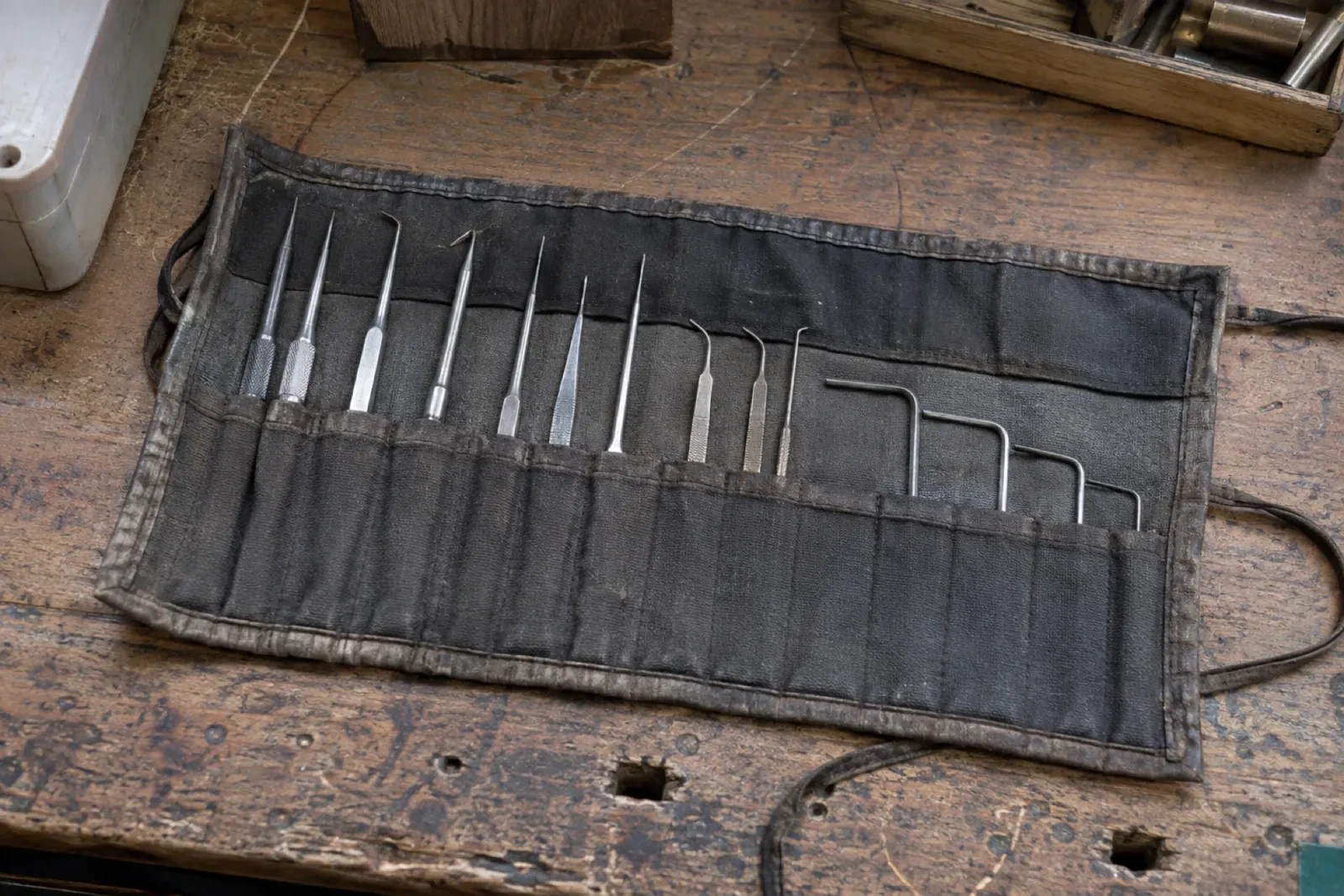
In the van
Key blanks cut to code
Weatherstripping and seal sections
Multimeter for wiring checks
Dry lock lubricant
Power door lock actuator
Vehicle Lock Repair
What affects the quote
Which lock is affected
A front door, a rear door, the trunk or hatch, and a storage compartment each sit differently in the vehicle and take different amounts of time to reach and repair, which shows up in the quote.
Getting to the vehicle
A vehicle parked in an accessible driveway is straightforward. One in an underground garage, a gated lot or a location with limited parking adds time that the quote takes into account.
Condition of the trim panel and clips
Interior panels and their retaining clips vary in how easily they come off and go back on without marking or breaking. Older or previously disturbed panels sometimes need extra care or replacement clips.
What to have ready
- Has the lock been getting stiffer gradually, or did it stop suddenly?
- Which lock is affected: a door, the trunk or hatch, or a storage compartment?
- Does the remote behave differently on that lock than the mechanical key does?
Vehicle Lock Repair: questions
QuestionsWhat should I do before calling about a vehicle lock problem?
Note which lock is affected, whether the key turns without effect or resists turning, and whether the remote behaves differently from the mechanical key on that same door. That description helps the locksmith bring the right parts for the specific fault.
Why has my key fob suddenly stopped working?
A dead coin-cell battery is the most common reason, and it is a straightforward fix once the fob is opened. Less often, the fob has lost its pairing with the vehicle or its case has cracked and let in moisture, both of which a locksmith can check and address.
What is the difference between an actuator problem and a wiring problem?
An actuator problem usually means the small motor that moves the lock has worn out, though a switch or control signal in the same assembly can fail too. A wiring problem usually means the motor is fine but current is not reaching it, often traced to a cracked wiring boot at the door hinge or a corroded connector, though the locksmith checks the whole path rather than assuming which it is.
Related services
- Car Key ReplacementThe car is yours now, but somebody else still holds a key to it.
- Spare Car Key DuplicationA car sits at the cottage all season, and the only key to it lives on a ring three hours away in the city.
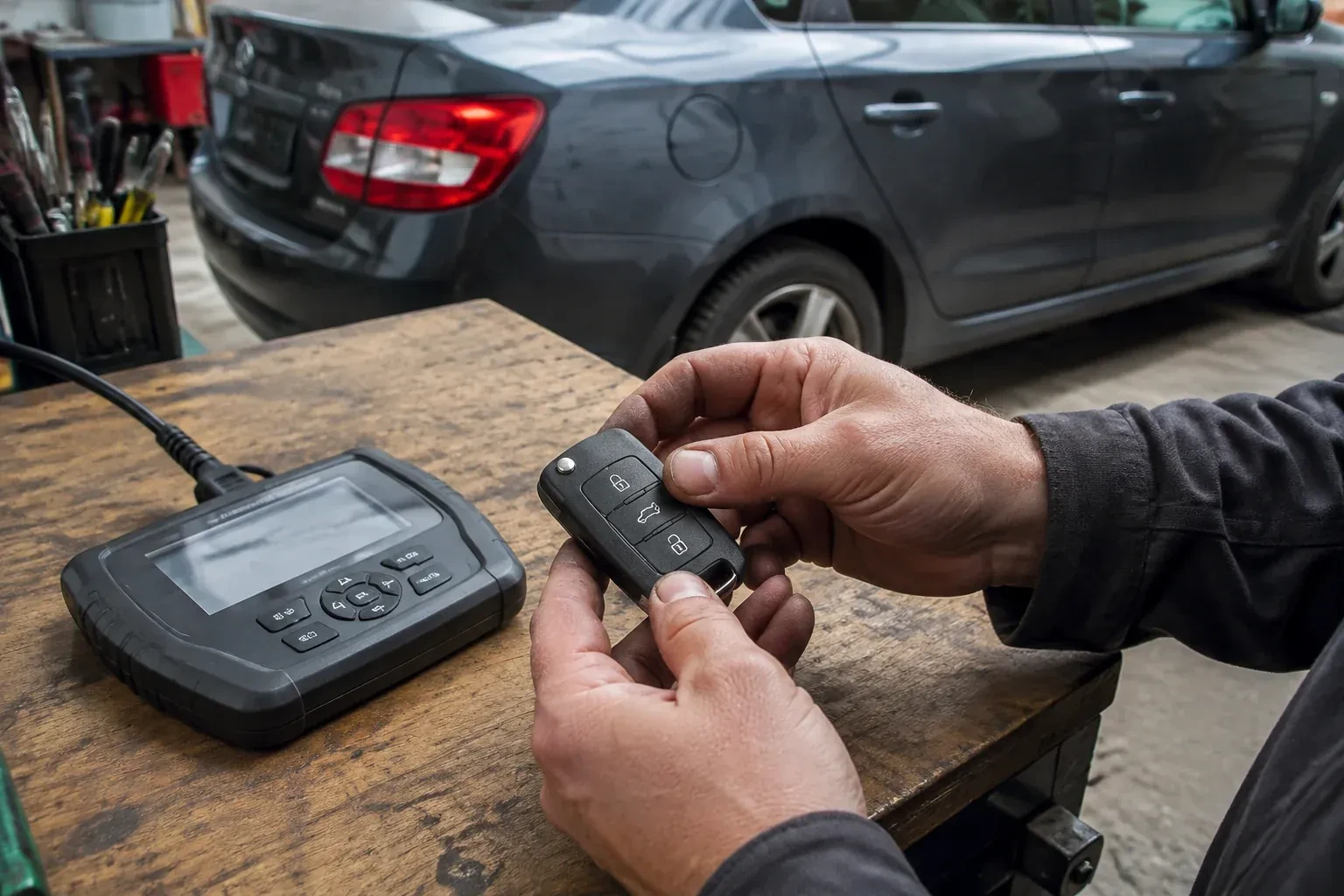
- Key Fob ProgrammingA cracked case or a spin through the wash left the fob unresponsive, and opening it up reveals a slightly corroded board where the buttons used to sit.