Car keys · Toronto
Car Key Replacement
The car is yours now, but somebody else still holds a key to it.
In plain words
Winter produces its own kind of key trouble. Coin cells lose output in deep cold, so a fob that was fine in October goes quiet in January; a fob dropped in slush or lost under a snowbank is gone until spring; and the mechanical door lock on a keyless car, untouched for years and crusted with road salt, is stiff exactly when you need it. A replacement visit in these conditions covers it all: a working fob, fresh batteries, a cut emergency blade, and a door cylinder cleaned and lubricated per the maker's instructions, so the metal key is a real backup rather than a decoration.
How the visit goesYou bought the car privately and it came with a single key on a shoelace. Every time it leaves your hand you notice, and you would like a second one made before the first goes missing.
Car Key Replacement
How the visit goes
Parts and data lined up before the tools come out
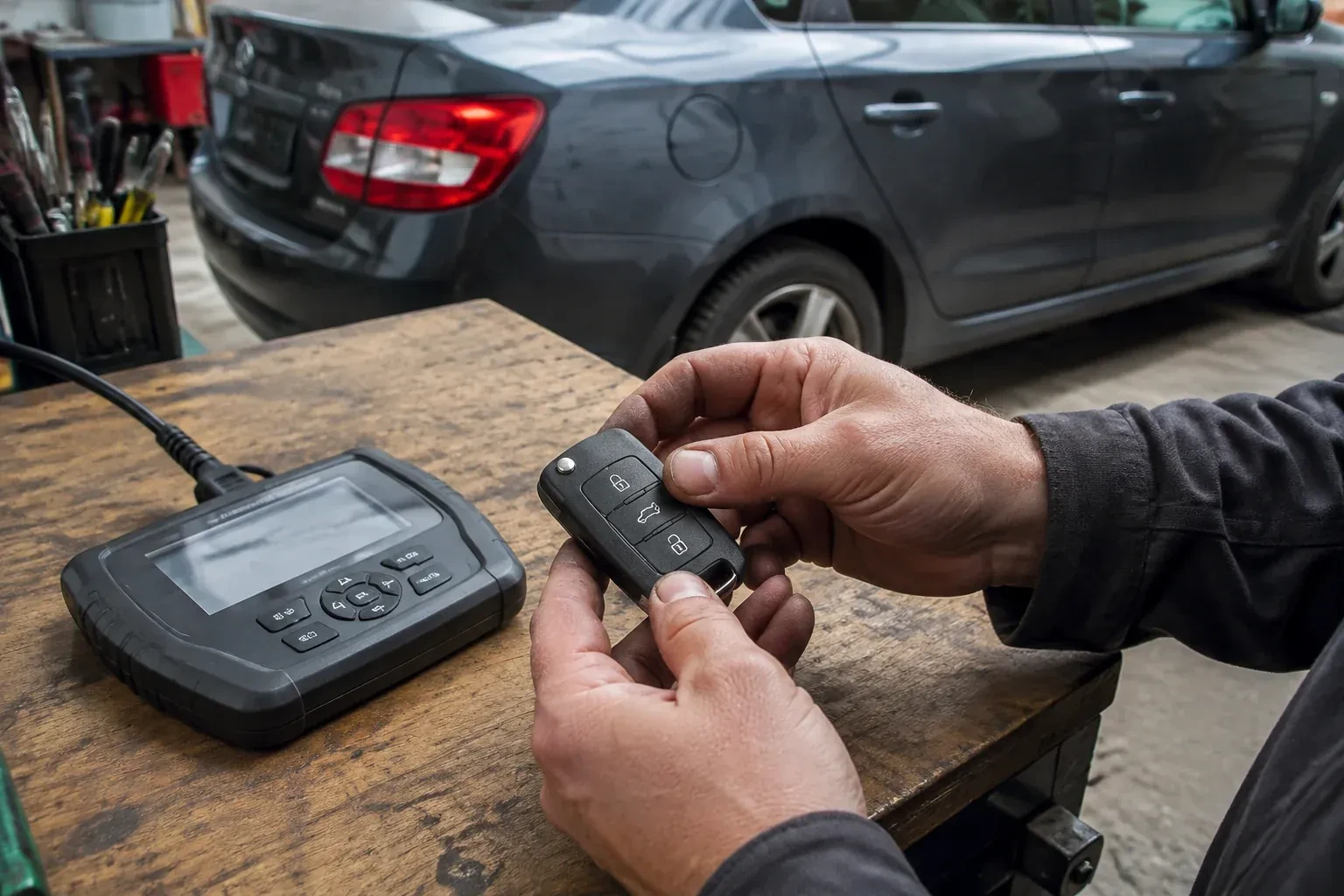
Some vehicles hand over their security data readily; others require a PIN pulled from the car, a code from the manufacturer, or a procedure only the dealer's tooling can run. The locksmith confirms which applies to your VIN before committing to a key, and confirms the part is available: fobs are specific to frequency, part number and sometimes trim level, and a wrong one programs and then refuses to work the doors. For the systems that use manufacturer secure data, access is arranged through the industry's Vehicle Security Professional registry, which is why the ownership record is completed properly first. Nothing is cut until this line-up is clear.
Decoding the door lock when there is no code
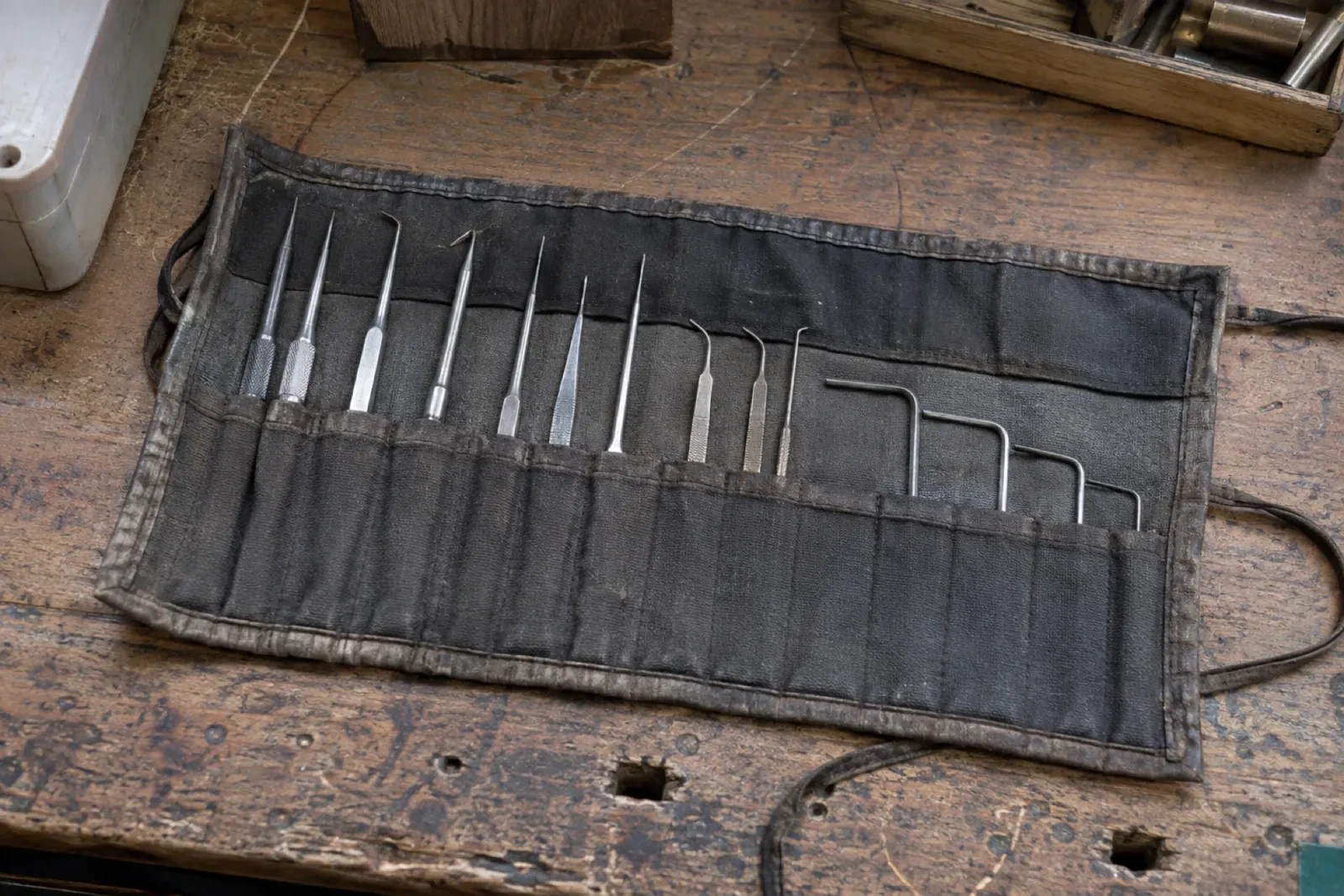
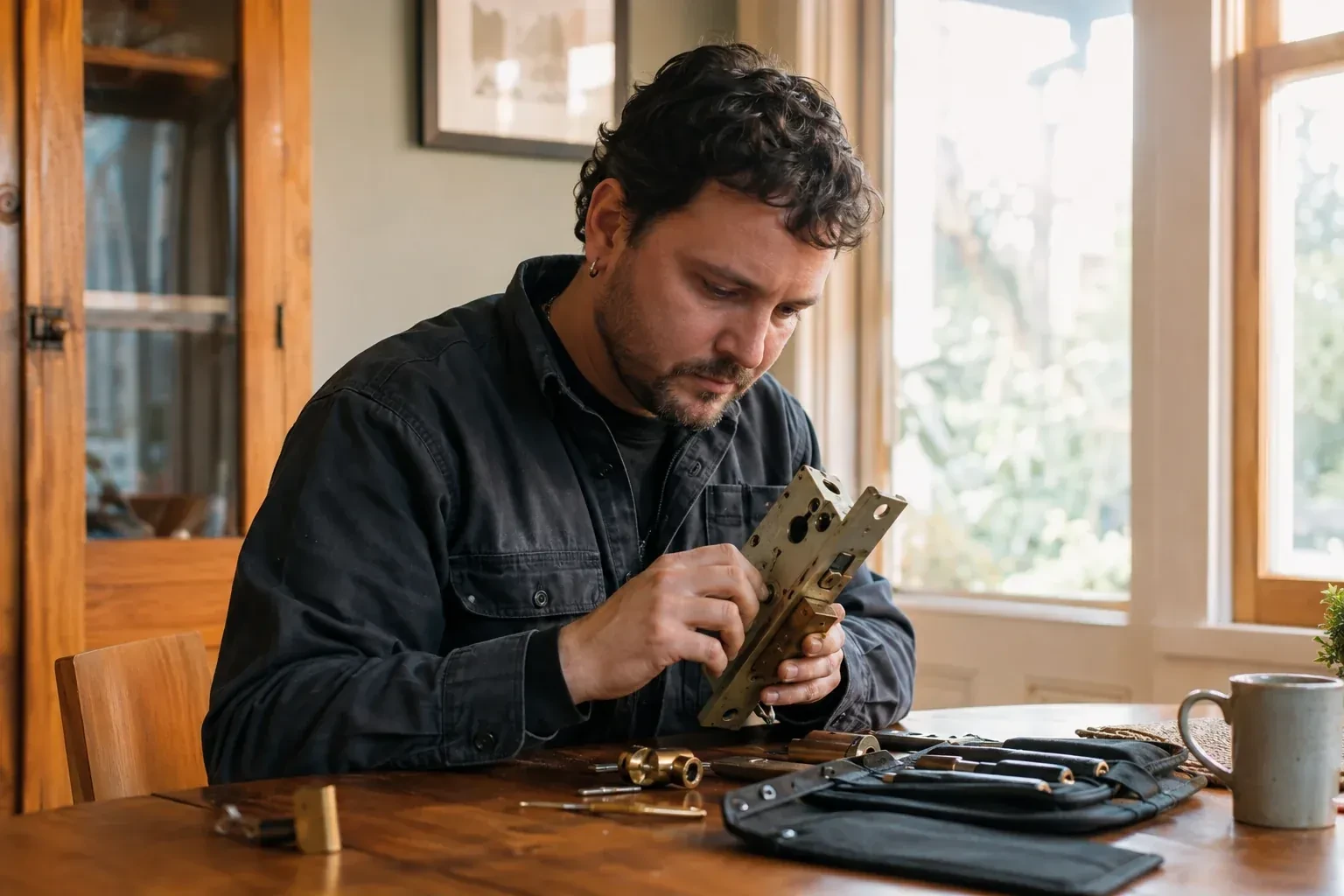
When the code is unavailable, the lock itself becomes the source. The locksmith works a decoding pick into the driver's door cylinder, feels each wafer to its set position and reads off the depth, producing a full cut sequence without removing the lock from the door. The blank is then cut to that reading and tried in the door and the ignition. On cars where the ignition carries an extra wafer the door lacks, the last position is found by trying the small number of possible depths. This is careful, patient work that leaves the door lock exactly as it was.
Keys that work every lock on the car
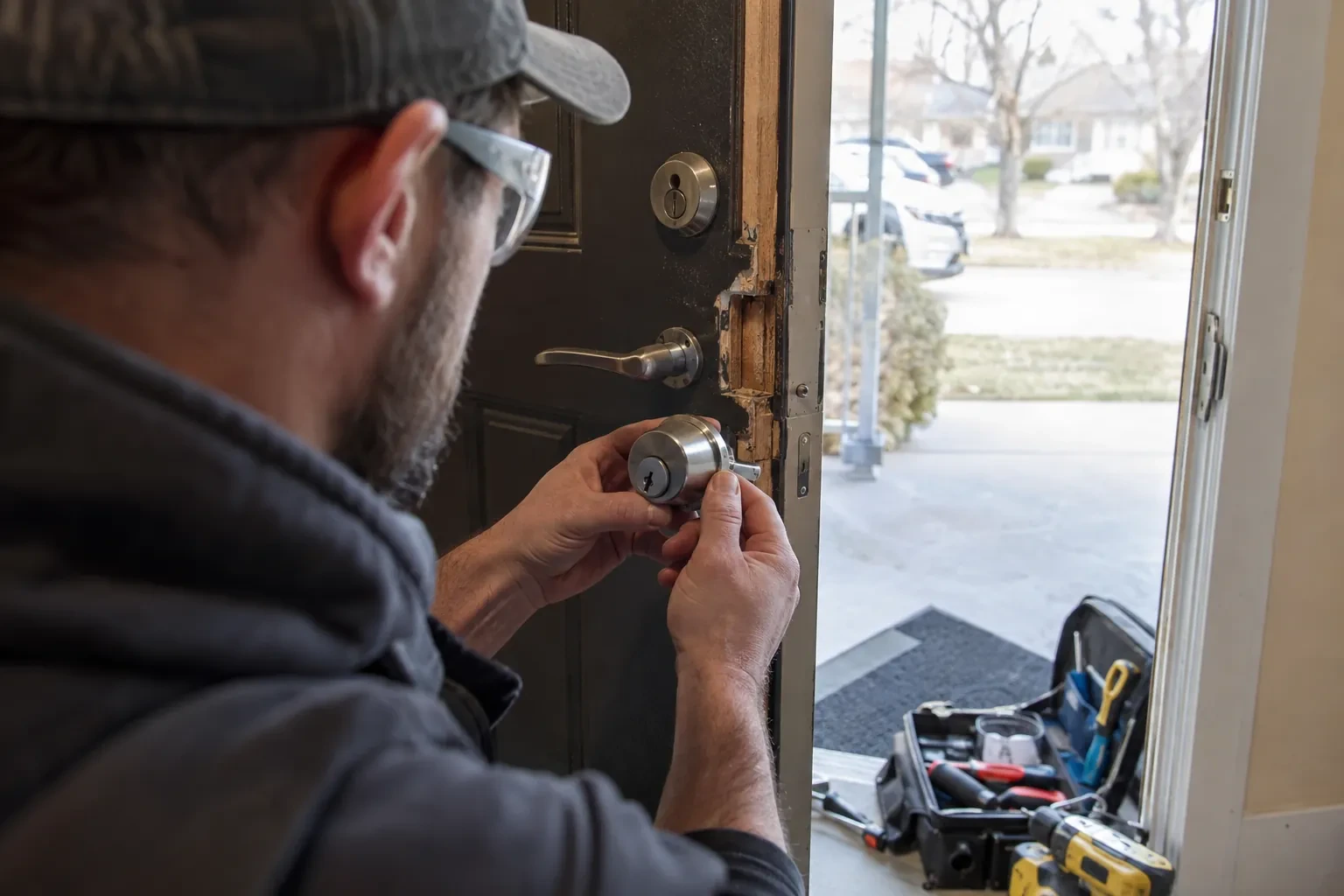
You leave with keys that have been tried, not merely programmed. Each one has opened the doors, turned or woken the ignition, started the engine and worked every button it carries, and you have watched it happen. If the car has a mechanical lock that was stiff, it has been freed and lubricated so the blade is a genuine backup. Should the old key have been rebuilt around its original electronics, it has been through the same checks as a brand-new one. The point of the routine is simple: the next time you reach for the key, there is nothing to wonder about.
Car Key Replacement
In the van
Fob coin-cell battery
Remote frequency tester
Proximity fob with emergency blade
Remote-head key shell
Transponder chip
Car Key Replacement
What affects the quote
Functions on the fob
Locking and unlocking come with every fob. Trunk release, panic, remote start and power liftgate depend on the fob part number, so a fob with more functions is quoted differently from a basic one. Phone-as-a-key is quoted separately, set up through the vehicle's own software rather than by fob choice.
Edge-cut or high-security blade
A plain edge-cut blade is cut on a code machine in moments. An internal high-security blade is milled to fine tolerances on a different machine, and the blanks themselves are dearer, so the blade type shows up in the quote.
Year, make and model
The vehicle decides the blank, the chip and the programming route. A twenty-year-old sedan with a plain transponder key and a recent proximity-start model are different jobs, and the quote follows the VIN rather than a flat figure.
What to have ready
- How many keys would you like to leave with?
- Where is the car parked right now, and is it locked?
- Is there an aftermarket alarm or remote starter fitted to the car?
Car Key Replacement: questions
QuestionsCan the key I lost still start my car?
Until it is erased, yes, because the immobilizer still recognizes its chip. During the programming session the locksmith can remove every key from the car's memory except the ones in your hand, and unpair the old remote as well. After that the lost key is a blade that opens a door at most, and nothing else. If that blade worries you, changing or rekeying every mechanical cylinder it operates, doors and ignition, plus a trunk, tailgate, fuel door or glovebox where the car has one, finishes the job.
Can you make a key if every key to the car is gone?
Often, yes, for vehicles with a supported conventional key system: the car is opened, a blade is produced by decoding the door lock or retrieving the factory key code, and the immobilizer is reset so the missing keys are erased before new ones are stored. A key-card or phone-key vehicle, or one needing a dealer procedure, follows its own route instead, which is why the VIN is asked for on the first call.
What is the difference between adding a spare and replacing all keys?
Adding a spare uses an existing working key as the reference: the new blade is cut and checked against it, and the immobilizer is asked to accept one more key alongside the old. Replacing all keys starts with nothing: the lock is decoded for a blade, and the immobilizer is reset to forget every previous key before new ones are stored. The second job is longer and sometimes needs manufacturer data, one more reason to keep a spare.
Related services
- Spare Car Key DuplicationA car sits at the cottage all season, and the only key to it lives on a ring three hours away in the city.
- Key Fob ProgrammingA cracked case or a spin through the wash left the fob unresponsive, and opening it up reveals a slightly corroded board where the buttons used to sit.
- Transponder Key ProgrammingThe car came with a single key when the sale went through, and that key is the only thing standing between the household and being stranded.