High security · Toronto
Safe Opening & Combination Change
A software update reset the clinic's small safe overnight, and the receptionist's usual code now does nothing on a keypad that lights up but goes no further.
In plain words
A safe opening and combination change service is built around confirming who has the right to be inside the safe before any tool touches it. Once that is settled, the locksmith identifies the safe's make, model and lock type, then works through the least invasive method that fits it, whether that means reading a dial by feel or resetting an electronic keypad. The final step sets a new combination chosen by the current owner, tested repeatedly, so the visit ends with a working safe under a code only they hold.
How the visit goesPry marks circle the dial after an overnight break-in attempt, and the safe now refuses every number that used to open it, as if something inside has locked itself down.
Safe Opening & Combination Change
How the visit goes
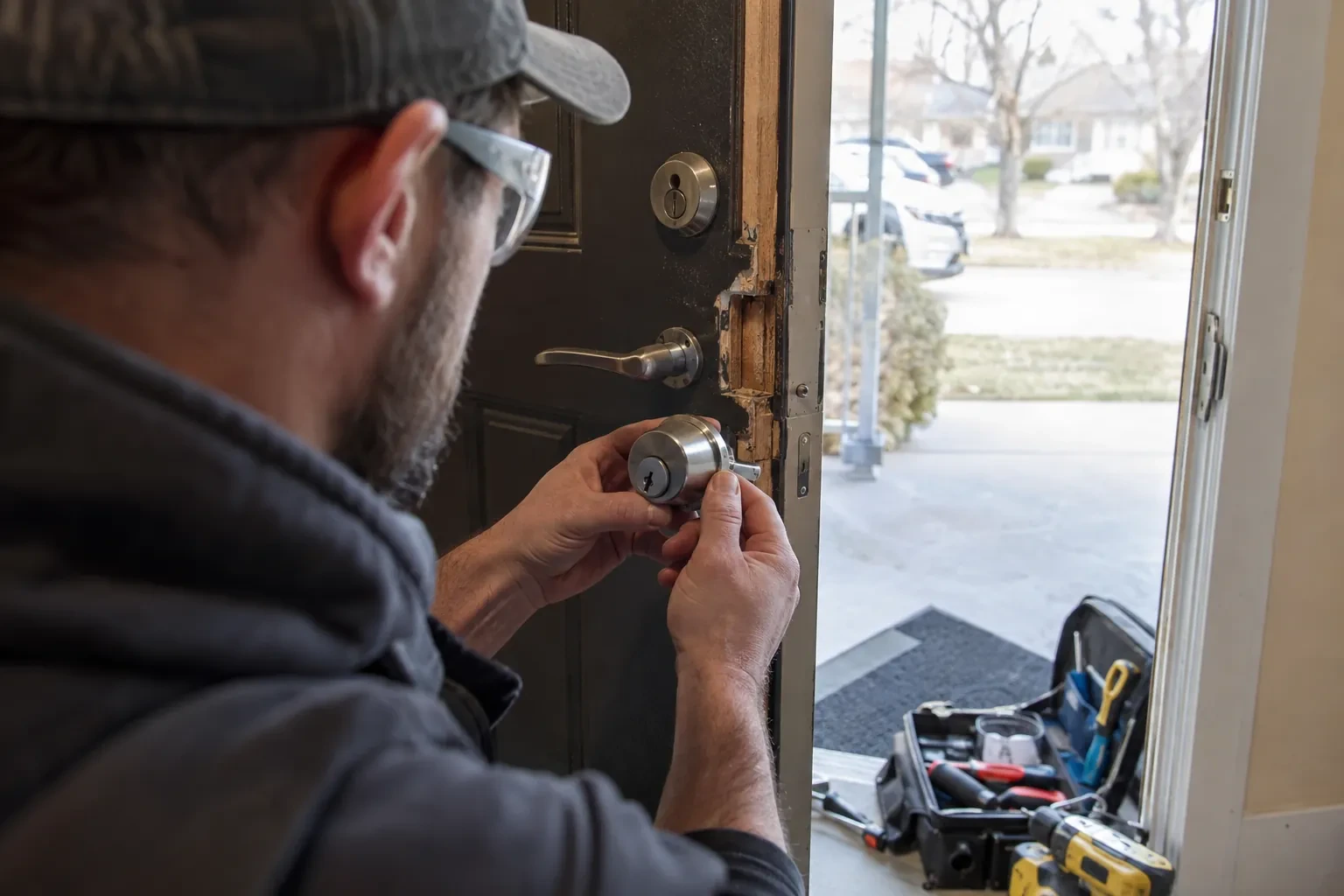
What is inside and what timing matters
Contents shape how carefully an opening proceeds. Cash drawers, business records, prescription logs, jewellery or firearms each carry their own handling expectations once the door swings open, and the locksmith asks about them upfront rather than assuming. Business hours, an upcoming audit, or a room that needs to be usable again also factor into how the visit is planned, without changing which opening method is chosen. Knowing what is behind the door and what else is happening around the visit lets the locksmith sequence the work sensibly rather than working blind.
Working a mechanical dial
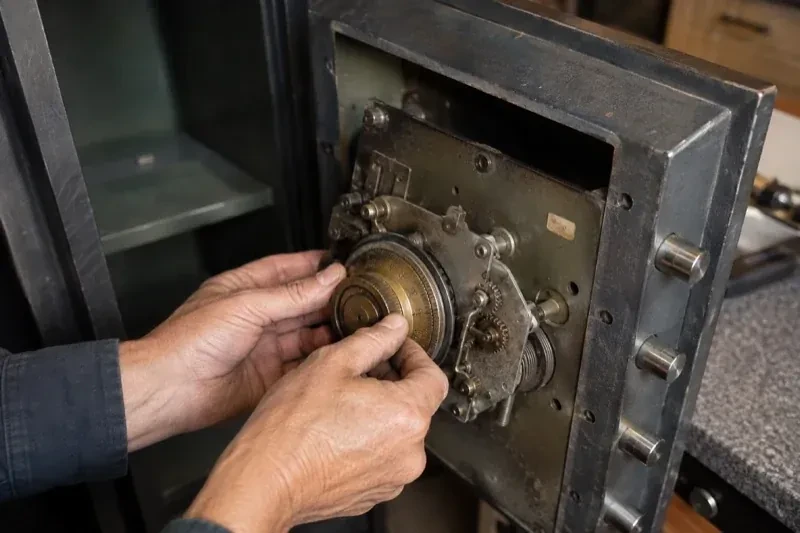
A dial lock is read through the spindle rather than forced through it. The locksmith applies light, even tension and turns the dial slowly, feeling for the small changes in resistance that mark each wheel of the wheel pack falling into place, or uses a decoding tool built for that lock family to read the gate positions directly. Wear matters here: an older, well-used dial often gives clearer feedback than a newer one, while a dial that has drifted out of alignment over years of use may need the wheel pack itself adjusted once the door is open. Nothing about this process involves force on the dial or handle.
A plan for the day this happens again
Most safes that needed a reset today will need one again eventually, whether from a future staff change, a forgotten code, or simple wear on an aging lock. Deciding now who is responsible for passing the combination along when roles change, keeping a written record somewhere secure, and having the safe's model and service history noted somewhere accessible all make the next visit shorter and simpler than this one. None of this is required before the locksmith leaves, but a few minutes spent on it now is the difference between a short reset next time and starting from an unknown safe all over again.
Safe Opening & Combination Change
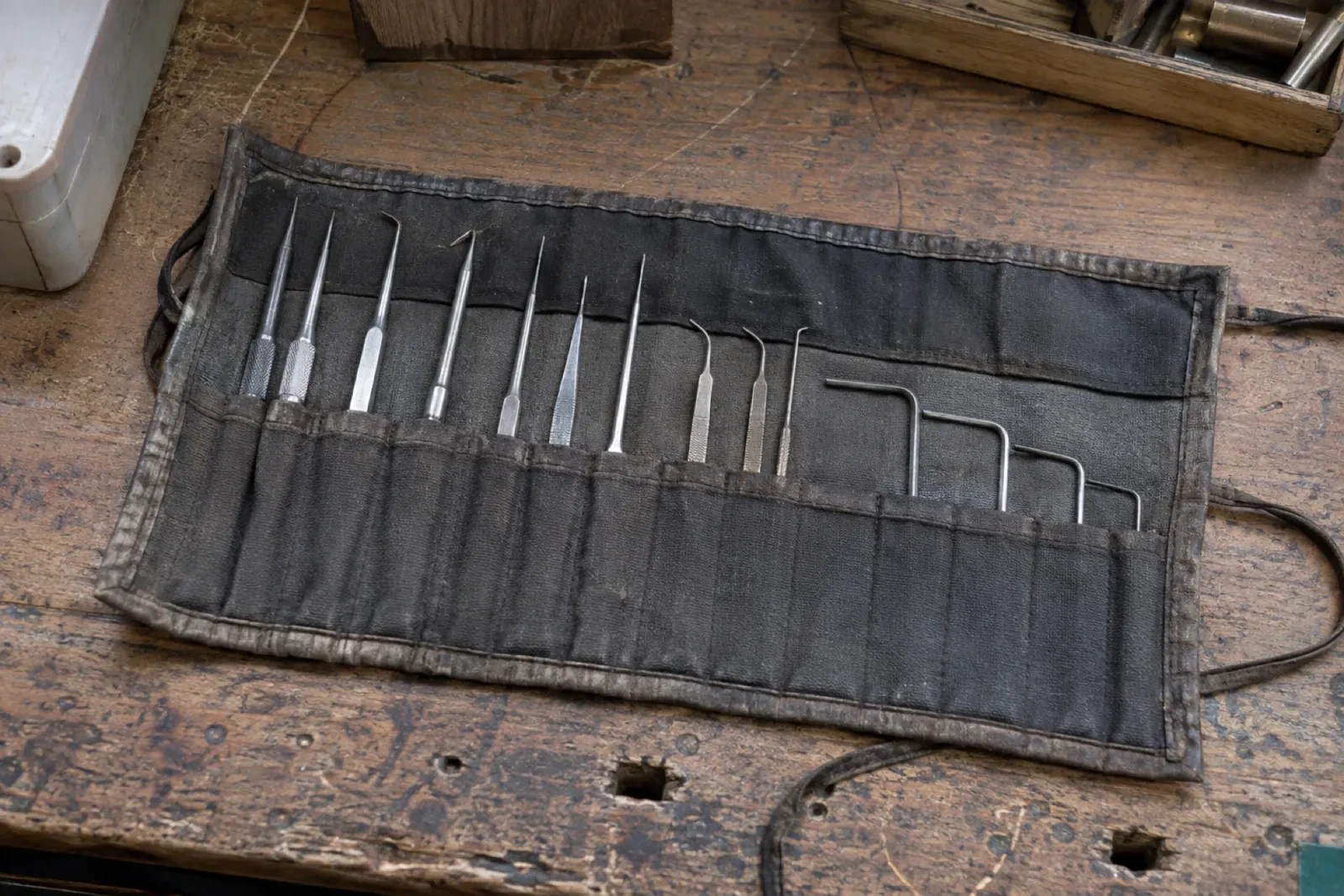
In the van
Borescope for internal viewing
Replacement wheel pack
Electronic keypad input unit
Dial decoding instrument
Replacement dial and ring
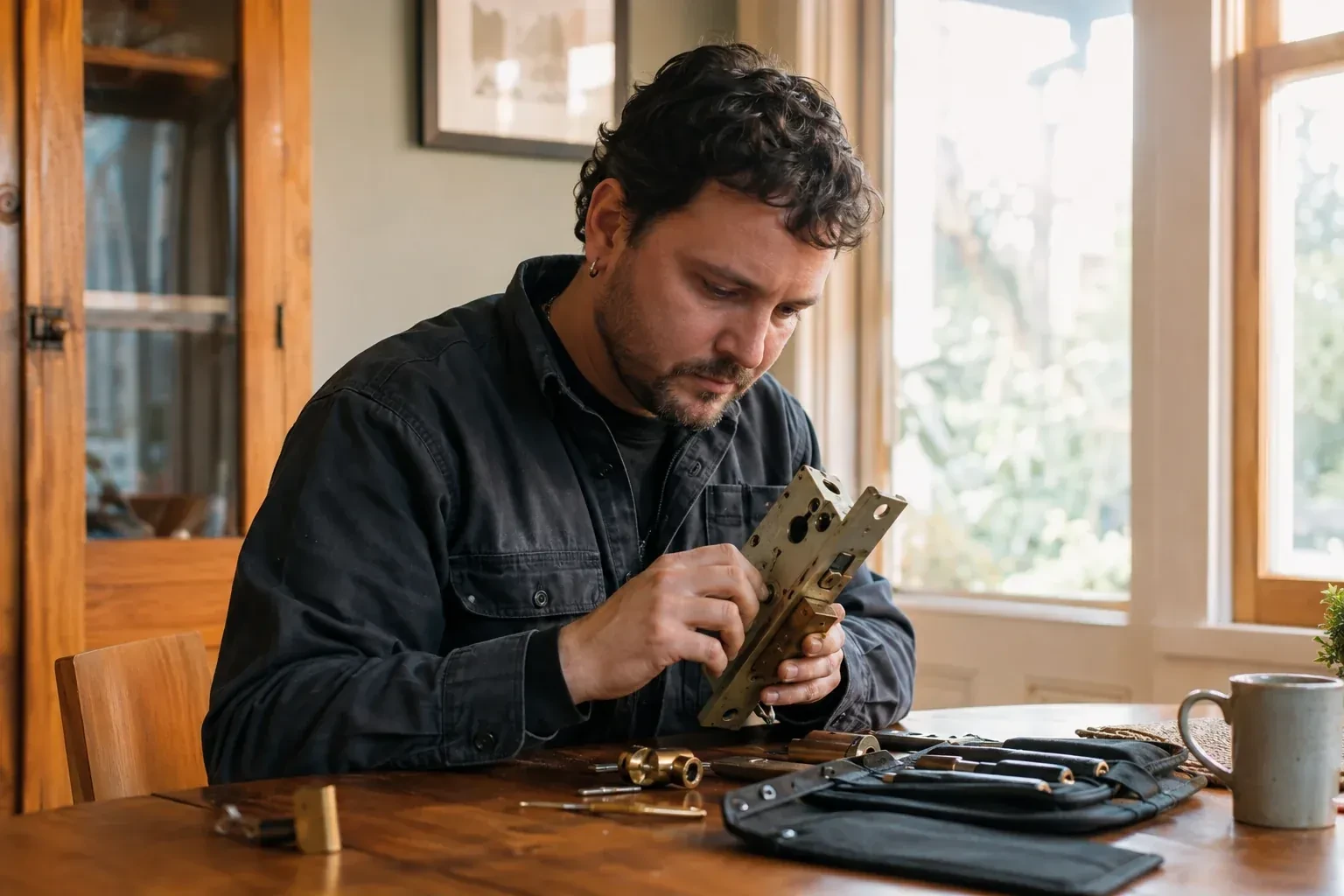
Safe Opening & Combination Change
What affects the quote
Security rating of the existing lock
A higher-rated lock, such as a UL Group 1 mechanical lock, generally takes longer to manipulate or decode than a basic Group 2 lock, and that time is reflected in the visit.
Any upgrade chosen during the same visit
Moving to a higher-rated lock, adding a second user code, or fitting an anti-relock plate is optional and priced as its own line whenever an owner chooses it.
Where the safe is located
A safe bolted to a floor, built into a wall, or set in a tight closet or basement corner takes more time to work around than one standing freely in an open room.
What to have ready
- Is the safe bolted down, built in, or freestanding?
- Do you own the safe, or manage it for someone else?
- Does the handle turn normally, or does it feel stuck?
Safe Opening & Combination Change: questions
QuestionsWhen does a locksmith decide to drill a safe instead of opening it another way?
Drilling is chosen when the gentler options for that specific lock, manipulation and decoding on a mechanical dial, or a manufacturer reset or override on an electronic one, are unavailable or have not worked, rather than following one fixed order on every safe. It is also the answer when the lock has genuinely failed, such as a seized wheel pack or a dead circuit board with no working override. The decision is explained before drilling starts, not discovered afterward.
Do drop safes or under-counter cash safes work the same way as a larger floor safe?
The identification step is the same regardless of size, but the lock inside is not assumed from the safe's size: a small drop safe or under-counter unit can carry anything from a basic keypad to a high-security lock, so each is identified on its own before manipulation, reset or a combination change proceeds, with the same care around authority and aftercare applying equally.
I bought the safe secondhand and have no idea of the combination. Can it still be opened?
Yes. A safe with no known history is treated as an unknown from the start: the locksmith identifies the make, model and lock type directly from the hardware and works through the same manipulation, decoding or reset options used on any other safe. Proof of the purchase or transfer establishes your authority to have it opened, and the process afterward does not depend on any prior record existing.