Change or rekey · Toronto
Mailbox Lock Replacement
The key still turns, but lately it spins a half-circle further than it used to before the little door lets go, and some mornings it takes a second try.
In plain words
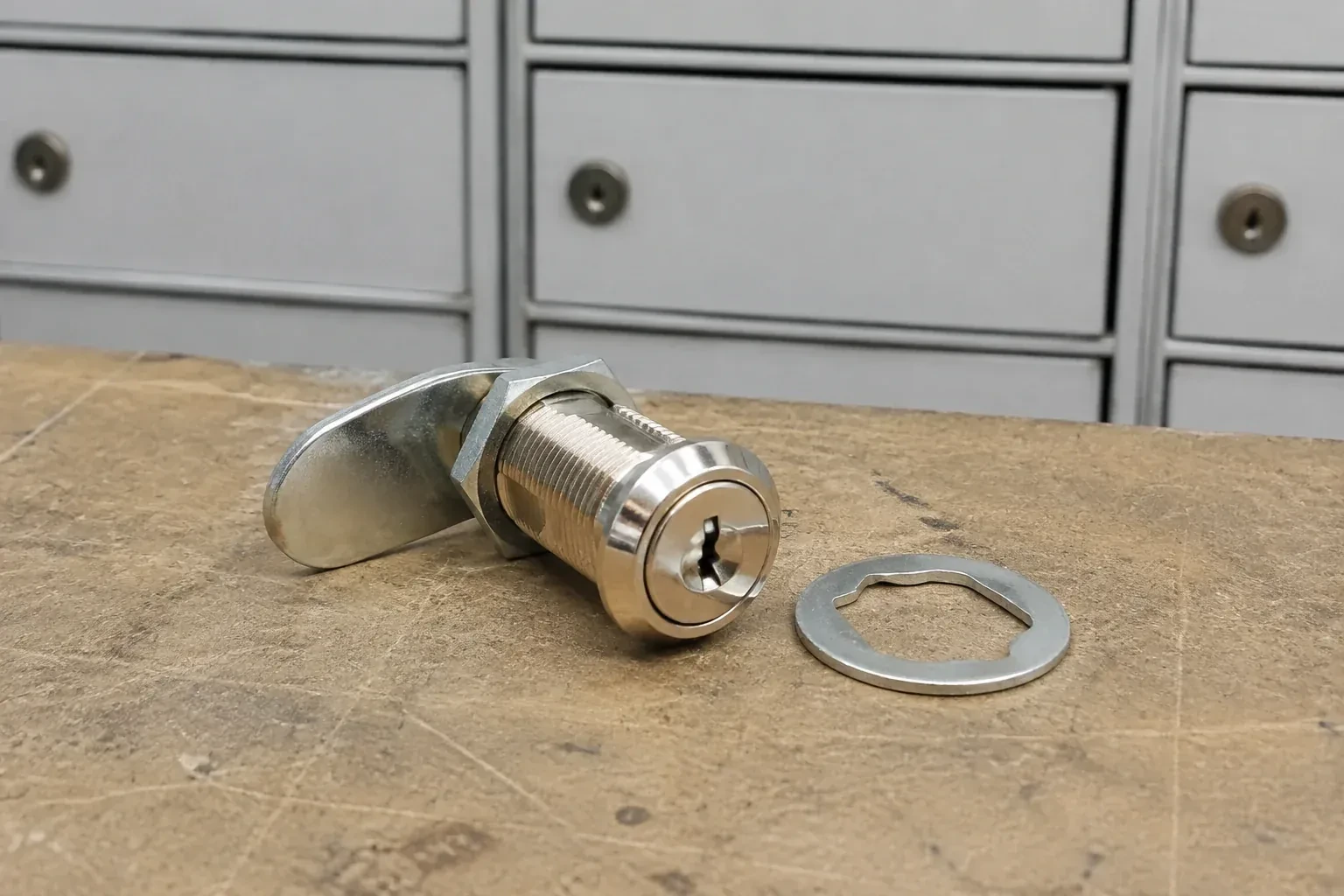
When the real concern is who else might hold a key, replacement settles it at the root. The old cylinder comes out, a new one goes in with a cam cut to match the compartment door, and two fresh keys are handed over on the spot. Whatever key was floating around before, lost, borrowed, or left behind by someone who moved out, stops working the moment the new lock is seated and tested.
How the visit goesSomeone tried to pry the little door on the mailbox open with a screwdriver, and though the mail sitting inside is untouched, the lock now sits crooked in its hole and the key barely catches when it is turned.
Mailbox Lock Replacement
How the visit goes
Who shares the panel
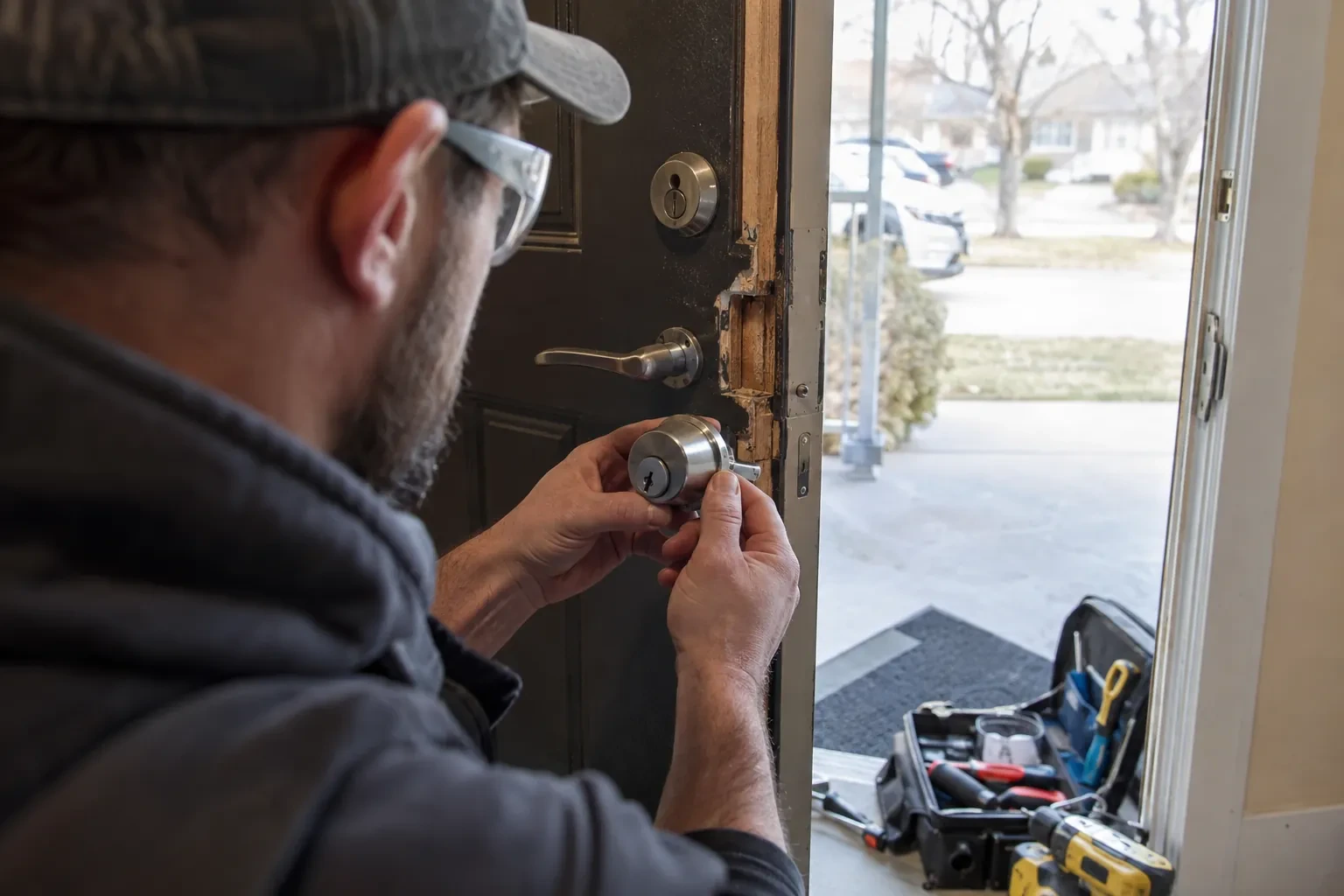
When the mailbox is one compartment among many, the locksmith asks a practical question before touching anything: does this change affect only the compartment named, is the household hoping to bring several doors onto a matching set of keys, or is the building coordinating a wider changeover across many units at once? Knowing the answer up front decides whether one lock is measured and replaced or whether a run of compartments is scheduled together, with each one still confirmed against the person or manager responsible for it.
Cutting and testing new keys
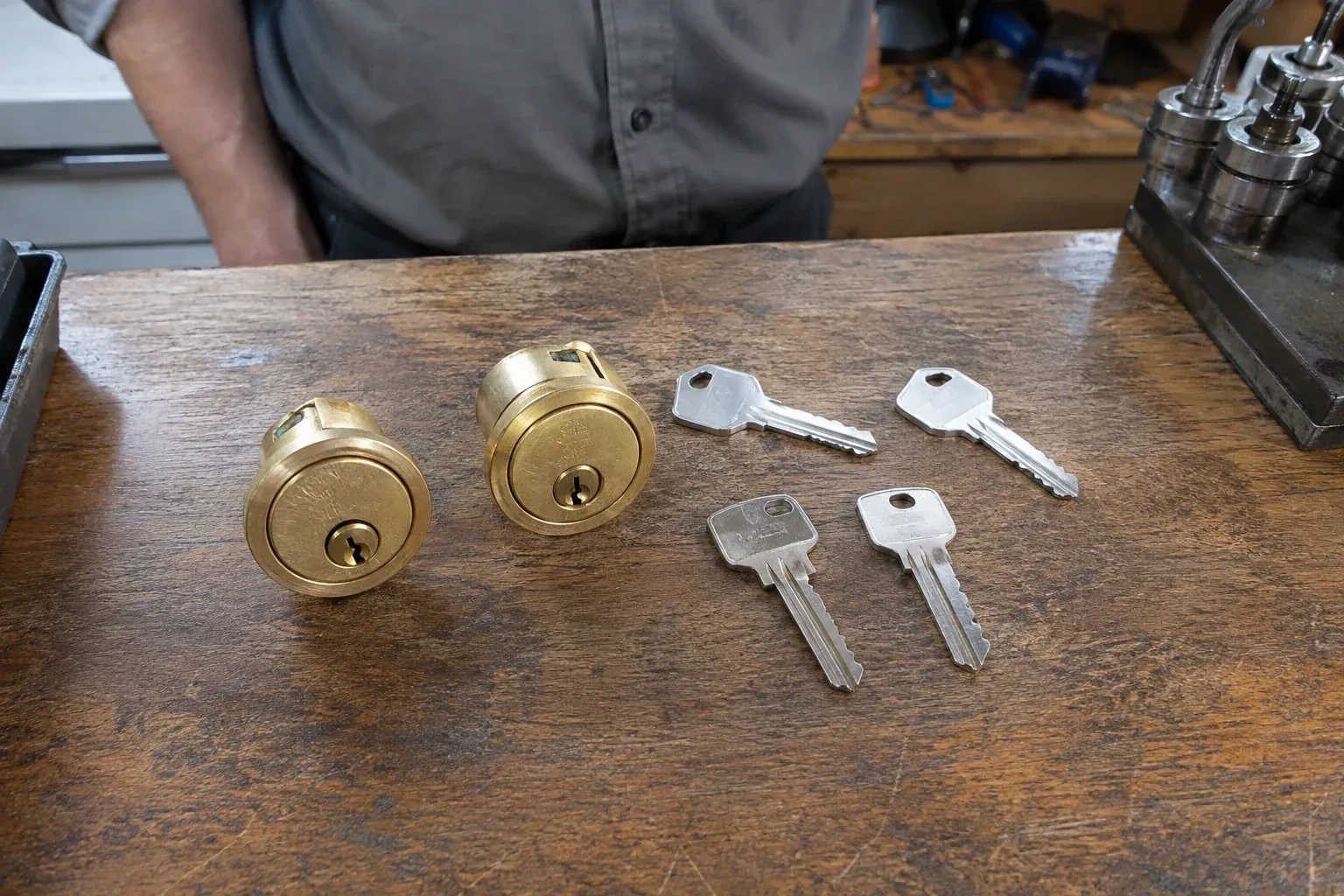
Two keys are cut from blanks that match the new cylinder's keyway, using a key cutter rather than copying a worn original, so both keys operate crisply from the first use. Each one is tested in the lock directly, opening and closing the compartment door a few times, before either key leaves the locksmith's hand. If the household wants extra copies for a second adult or a family member picking up mail, those are cut and tested during the same visit rather than left for a hardware store later.
Knowing who to call next time
After this visit, it helps to remember which kind of mailbox is on the property. A private box, a house's mail slot, or one compartment in a building's own panel is this service's territory going forward. A mailbox serving a whole street belongs to the postal operator, which issues its own replacement keys and handles its own lock problems directly, so a future issue with that kind of box is a call to them rather than a repeat visit here.
Mailbox Lock Replacement
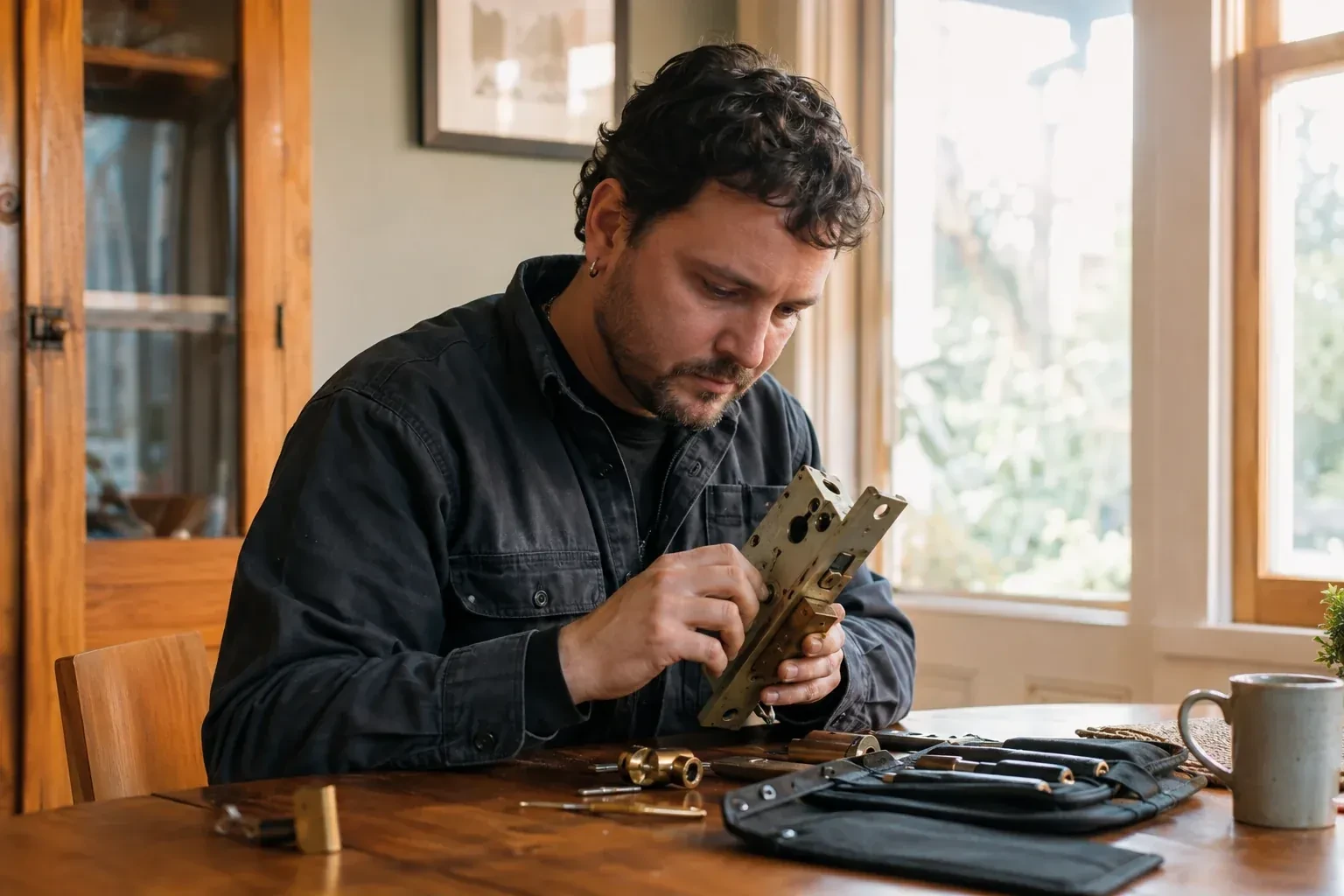
In the van
Lock de-icer
Manufacturer-approved cylinder lubricant
Key blanks
Nut driver and screwdrivers
Straight and offset cams
Mailbox Lock Replacement
What affects the quote
Panel-wide versus single-compartment work
Replacing every compartment in an ageing panel at once is scoped differently from a single lock, since it involves scheduling, a resident list, and hardware ordered in volume rather than one at a time.
Keying to match another lock
Cutting a mailbox cylinder to match an existing front door or a second compartment's key, where the keyways are compatible, is extra work beyond a standalone replacement, since more than one lock has to be fitted and tested together.
Time of year
Calls involving frozen or salt-affected hardware in the coldest months typically take longer than the same job in milder weather, simply because the lock itself needs more careful handling before anything is replaced.
What to have ready
- How many working keys would you like at the end of the visit?
- Has the compartment door been bent, pried at, or damaged recently?
- Is anyone else expecting to use this mailbox after the visit?
Mailbox Lock Replacement: questions
QuestionsCan a business's mail slot lock be replaced the same way?
Yes, a commercial mail slot or parcel compartment uses much the same small cam or wafer lock as a residential mailbox, and the same measuring and fitting process applies. Employee turnover is a common reason a business chooses to replace rather than simply live with an uncertain number of old keys still in circulation.
Is a mailbox lock the same kind of lock as a house door?
The mechanism is related but smaller: many mailbox locks use flat wafer tumblers rather than the pin-tumbler cylinders found in most house doors, and some use a tubular, or barrel-key, design instead. The keyway, the tools that open it, and the way it is measured for replacement all differ from a deadbolt, even though both are picked or decoded using similar principles.
Can the same key operate my mailbox and my front door?
It can, if both locks share a compatible keyway and are fitted with cylinders cut to the same combination during the same visit. This is arranged upfront, since it means keying the mailbox lock to match an existing door rather than the usual standalone replacement. Each lock involved is tested afterward so a single key turns every door named, and any other locks on the property keep their own separate keys.