Change or rekey · Cliffside
Gate & Building Entry Locks in Cliffside
A neighbour mentions, in passing, that the key from three tenants ago still lets him into the building's front door.
In plain words
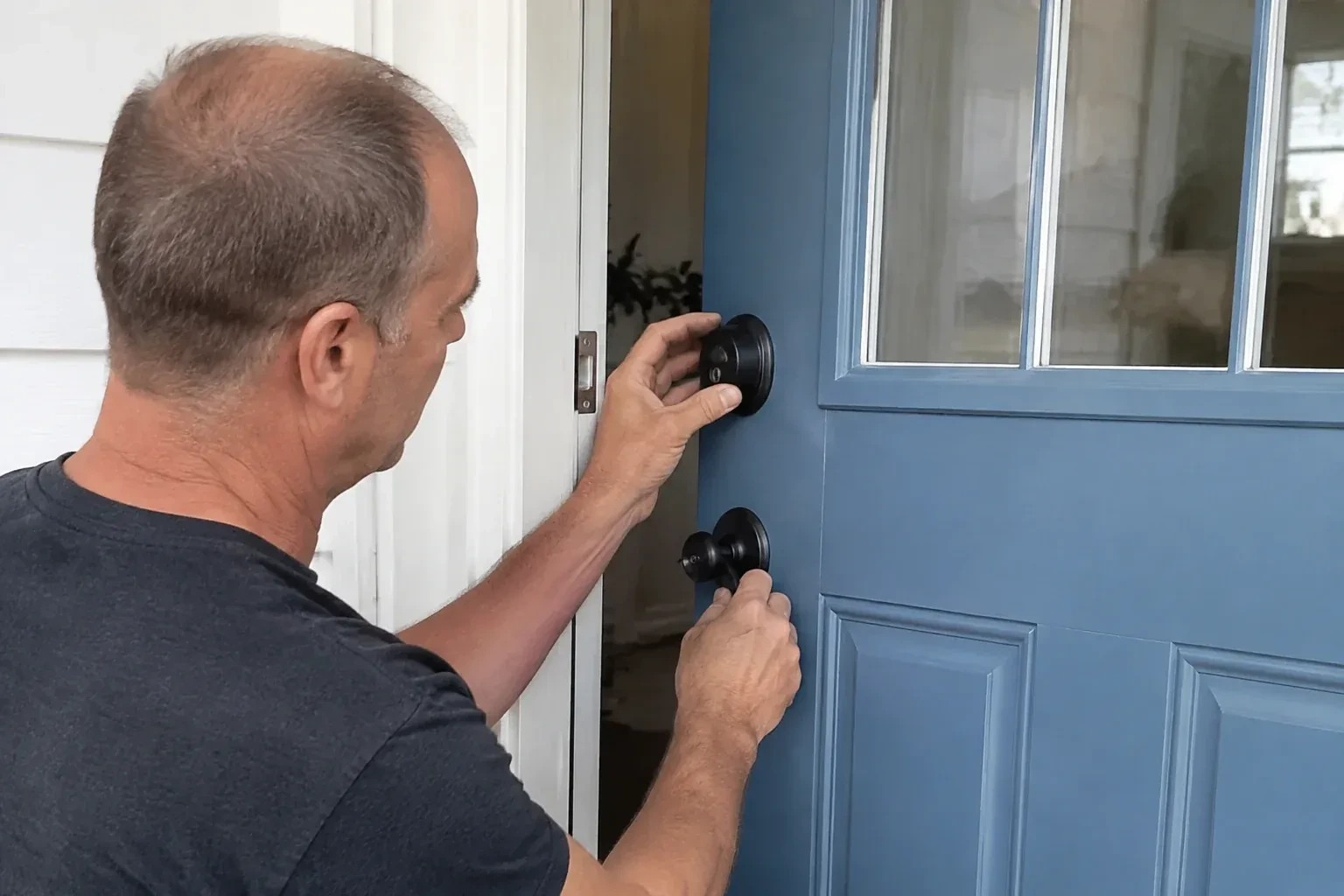
A gate or door that will not latch is rarely just a lock problem; more often the hardware is being asked to catch a moving target. This visit reads the gate or door's actual swing, sag and alignment first, then brings the closer, hinges, strike and cylinder into agreement with each other rather than replacing parts one at a time. Once the physical fit is right, the same lock that seemed unreliable for months often turns out to have been sound all along.
How the visit goesThe padlock on the side gate has gone stiff every winter for three years running, and this year the key simply will not turn past the first few pins. Salt spray off the road and a season of meltwater have left the cylinder pitted and reluctant.
Gate & Building Entry Locks
How the visit goes
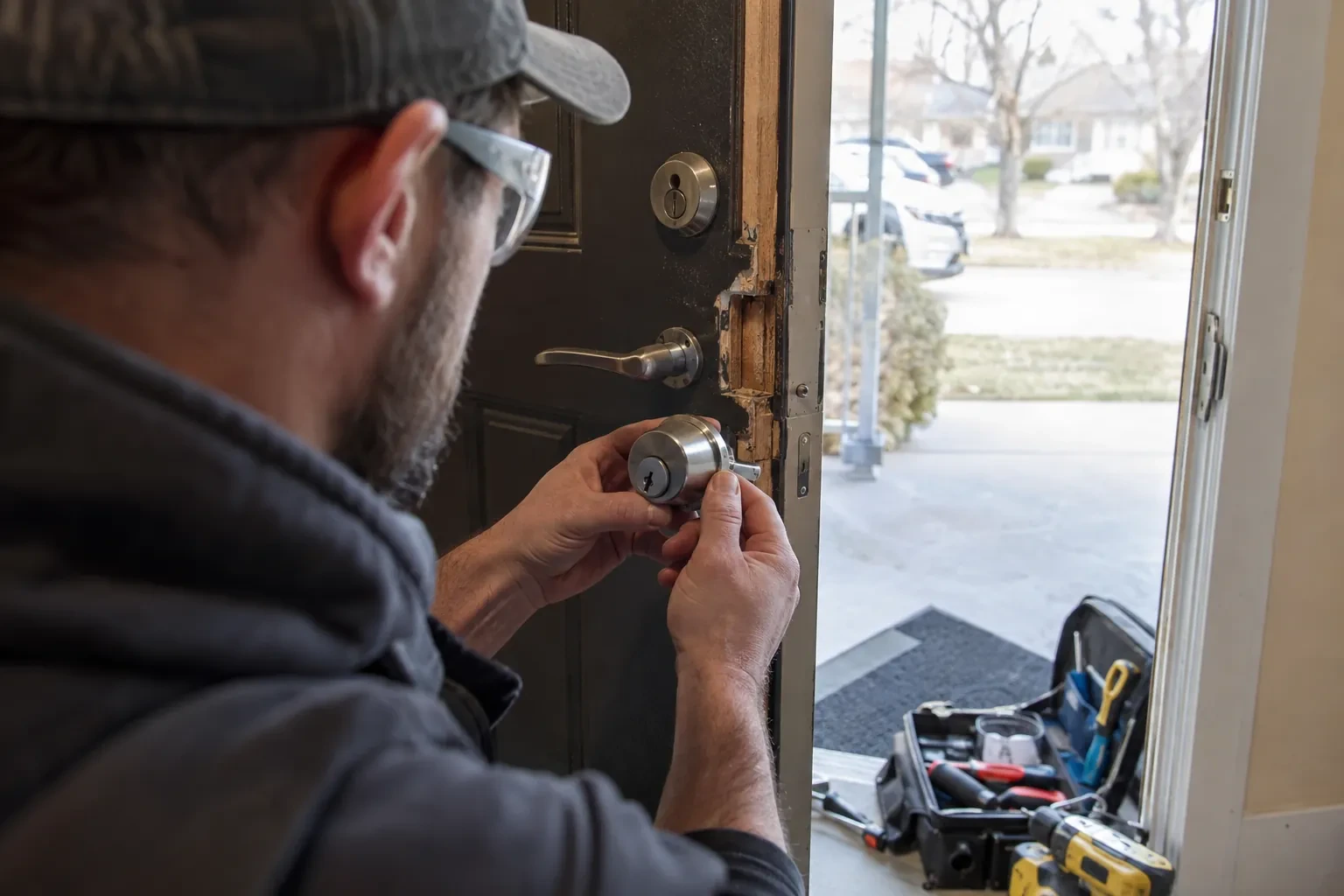
Reading a frost-heaved or settled post
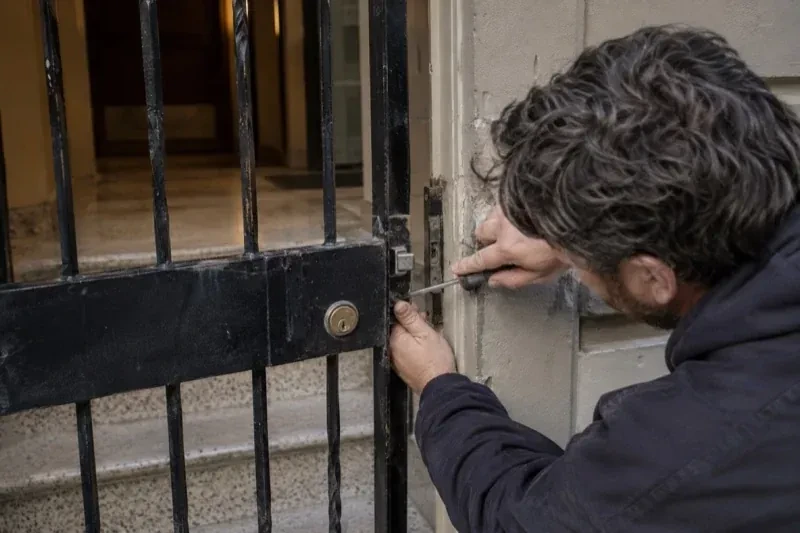
Ground movement shows up as a lock problem long before anyone thinks to blame the post. The locksmith checks whether the gate post has lifted, tilted or settled relative to the latch post it is supposed to line up with, and by how much, since a small seasonal shift is different from a post that has genuinely moved for good. This distinction decides whether the fix is resetting the strike position for now or addressing the post itself, and it keeps the same misalignment from returning with the next frost.
Freeing a seized or salted padlock
A padlock or gate cylinder stiffened by rust, dried grease or old grit is worked open with patience: a penetrating product suited to locks, gentle heat where appropriate, and a pick or the original key worked in small movements rather than forced. Where the internals have corroded past saving, the padlock or cylinder is replaced with a weather-rated unit built for that kind of exposure. Afterward the mechanism is dried and treated with the lubricant the manufacturer specifies for that cylinder, since the right product for one model can gum up another.
A gate that closes itself properly
The visit ends with the gate or door swinging through several full cycles while you watch: opening from a stop, closing on its own, and settling into the latch without a slam or a rebound. Anything adjusted along the way, such as the closer's speed or the strike's position, is pointed out so you know what changed. From here the gate should close the same way whether it is pushed gently or blown by wind, which is the actual point of a working closer rather than a lock that only cooperates when someone remembers to push it shut.
Gate & Building Entry Locks
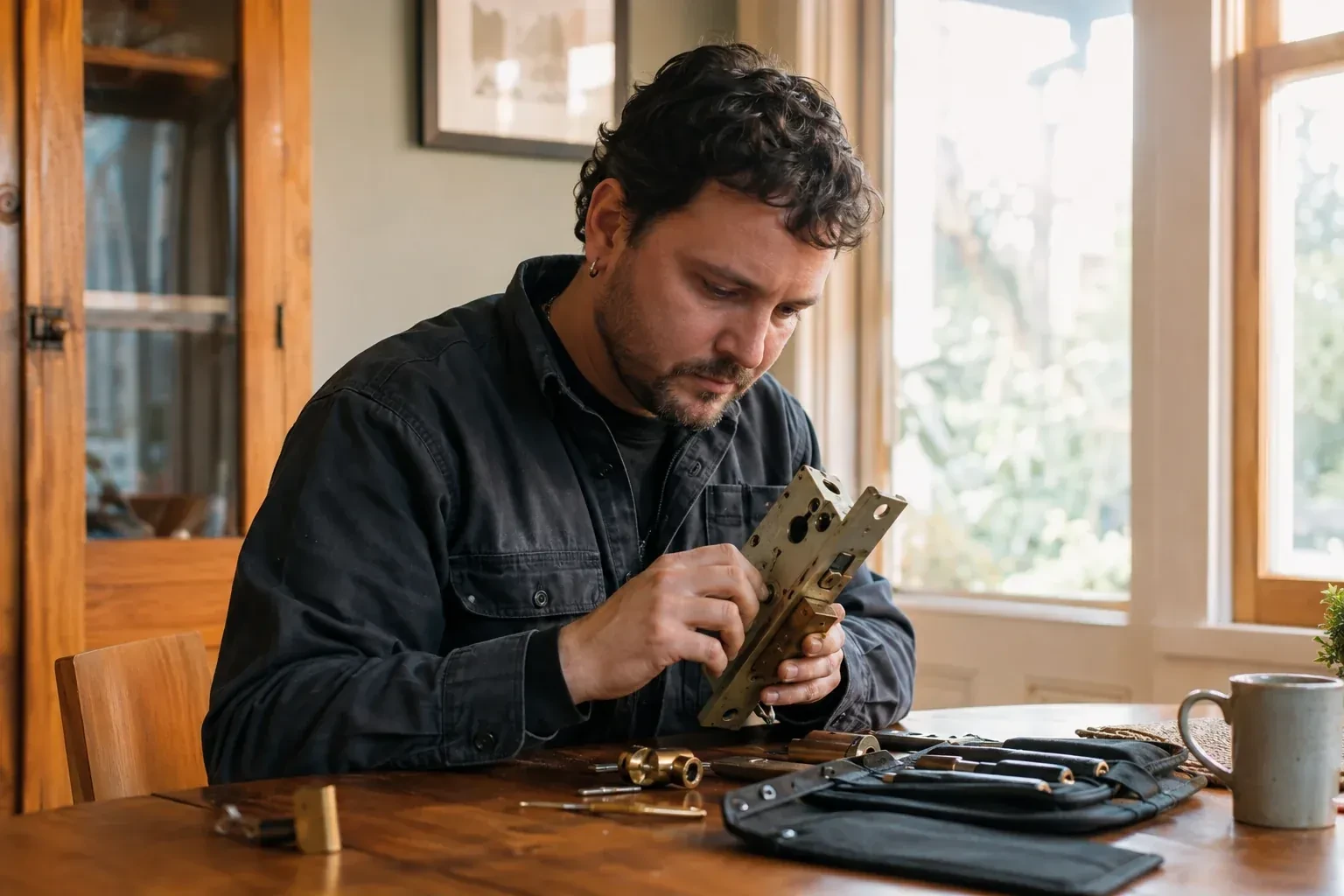
In the van
Gate locks and latches
Dry graphite or PTFE lubricant
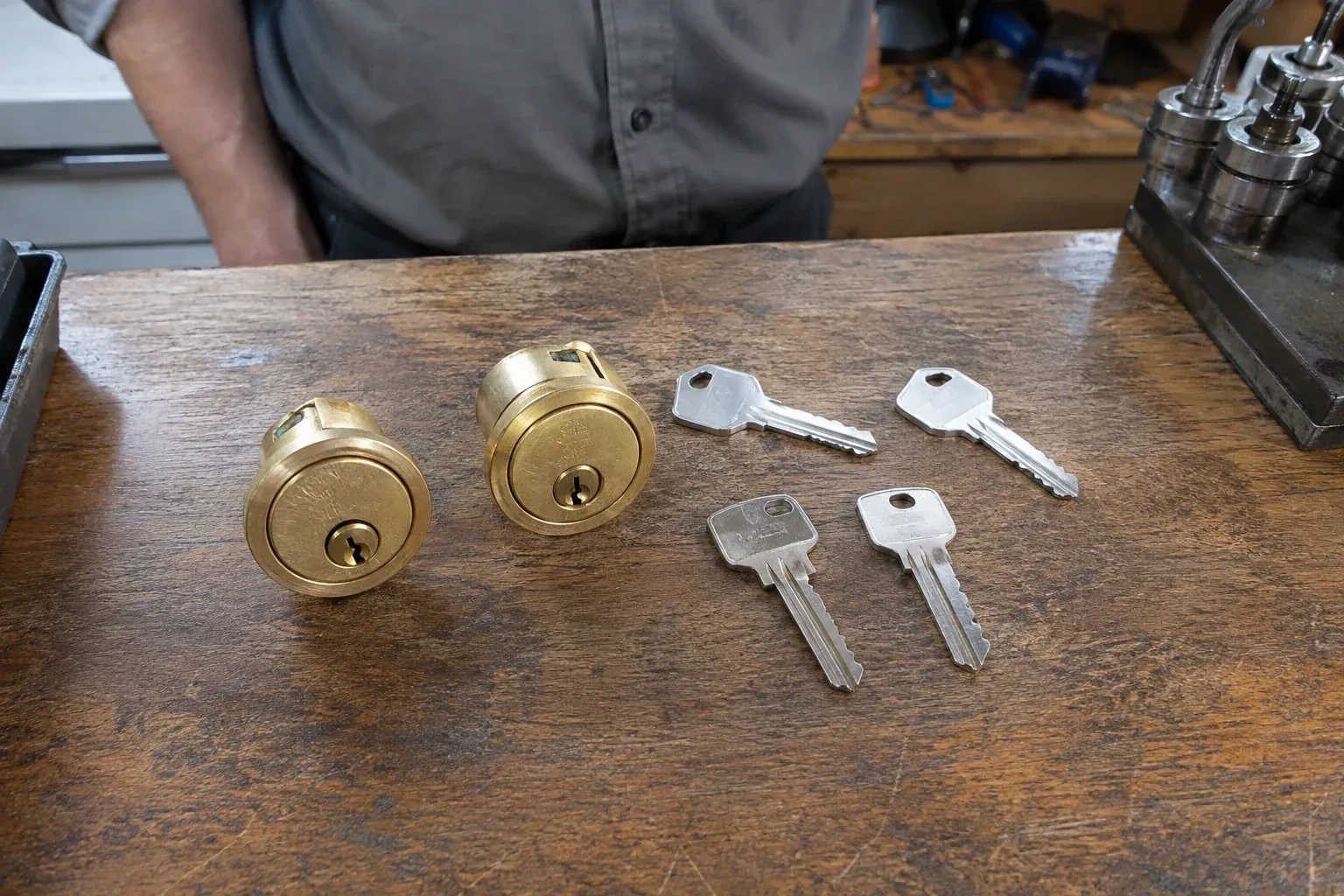
Key blanks and code cutter
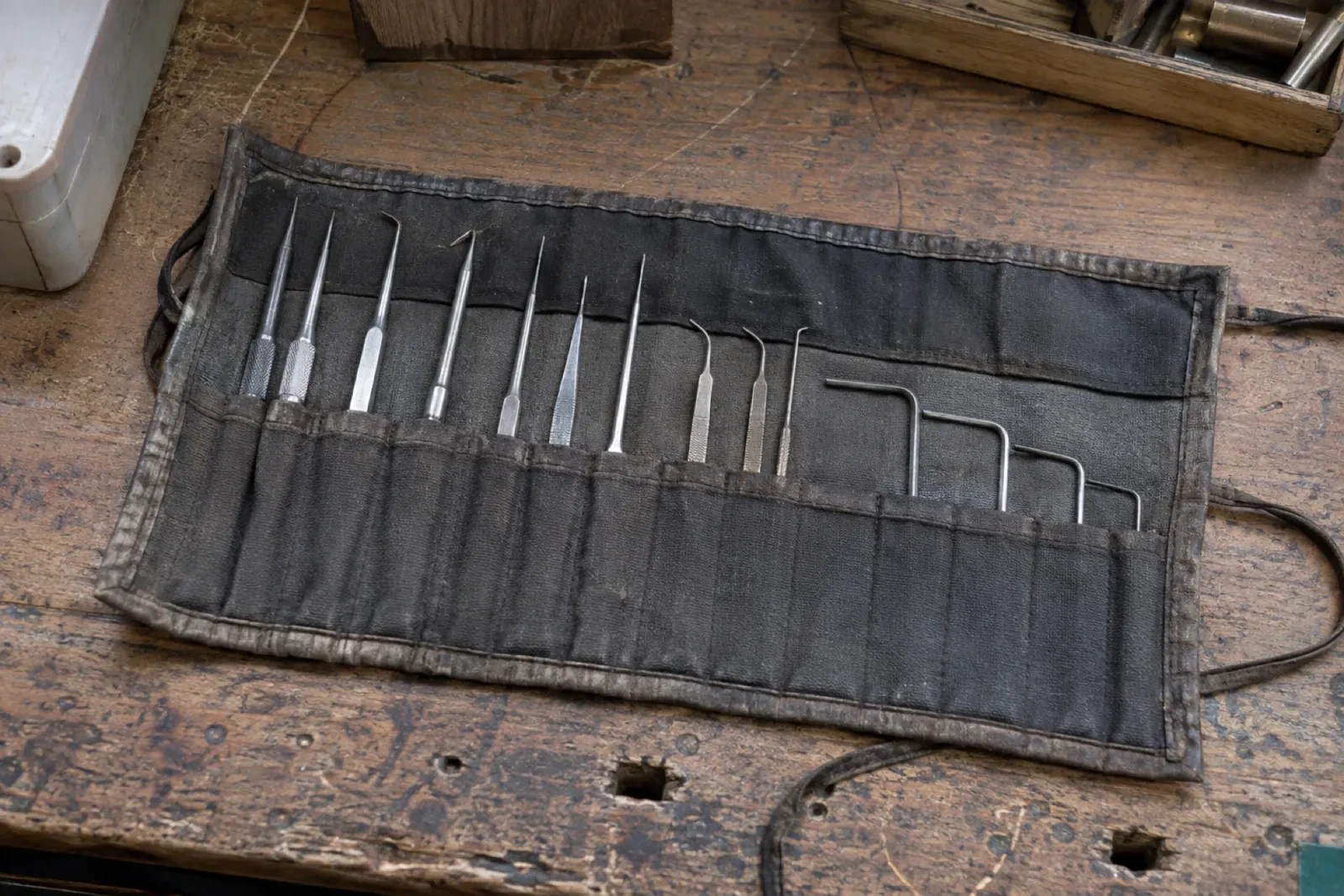
Cylinder decoder and pick set
Plug follower and repinning kit
Gate & Building Entry Locks
What affects the quote
How many current key holders need new keys
Keys cut on site are counted individually into the quote. A single household needs far fewer than a multi-unit building entry where every current resident is being issued a fresh key at once.
Whether the post or frame needs correction
When the underlying cause is a leaning post or a shifted frame rather than the lock itself, resetting, packing or bracing that structure is quoted as its own item alongside the lock work.
Whether keys need coordinating across doors
Rekeying a single lock is one task. Bringing several gates or a shared entry onto one common key, or setting up a master key arrangement across a property, adds planning and cylinder work beyond a single rekey.
What to have ready
- Does the entry have a buzzer, keypad or electric strike?
- Is the gate sagging, dragging, or hard to close by hand?
- Is this a single household gate or a shared building entry?
Gate & Building Entry Locks: questions
QuestionsWhat actually happens during a gate or building entry lock visit?
The locksmith first watches the gate or door move and checks the hardware fitted to it, then works out whether the issue sits in the lock, the closer, the hinges or the alignment of the frame itself. Whatever combination is found, the relevant piece is adjusted, rekeyed or replaced, and the whole assembly is cycled repeatedly afterward to confirm it closes, latches and locks the same way every time. Any keys involved are cut and tested before the visit is considered complete.
Who is allowed to ask for a rekey on a shared building entry?
Because a shared entry serves more than one household, the locksmith looks for someone with authority over the whole door: an owner, a landlord, a property manager or a condo board, rather than any single resident acting alone. An individual tenant can usually request work on their own unit's door without issue, but changing the lock everyone in the building relies on to get in is treated as a decision for whoever manages the property, with current residents given new keys once it is done.
What should I have ready before the locksmith arrives?
It helps to know which gate or door is affected, roughly how old the lock or closer is, and what exactly is happening: dragging, slamming, refusing a key, or a buzzer that stopped releasing the door. If the entry is shared, a rough idea of how many households or units currently need a working key speeds up the visit considerably. For a building entry, having contact information for a property manager or condo board on hand is useful if a decision needs their sign-off.