Change or rekey · Toronto
Deadbolt Installation
The bolt on the front door is keyed on both sides.
In plain words
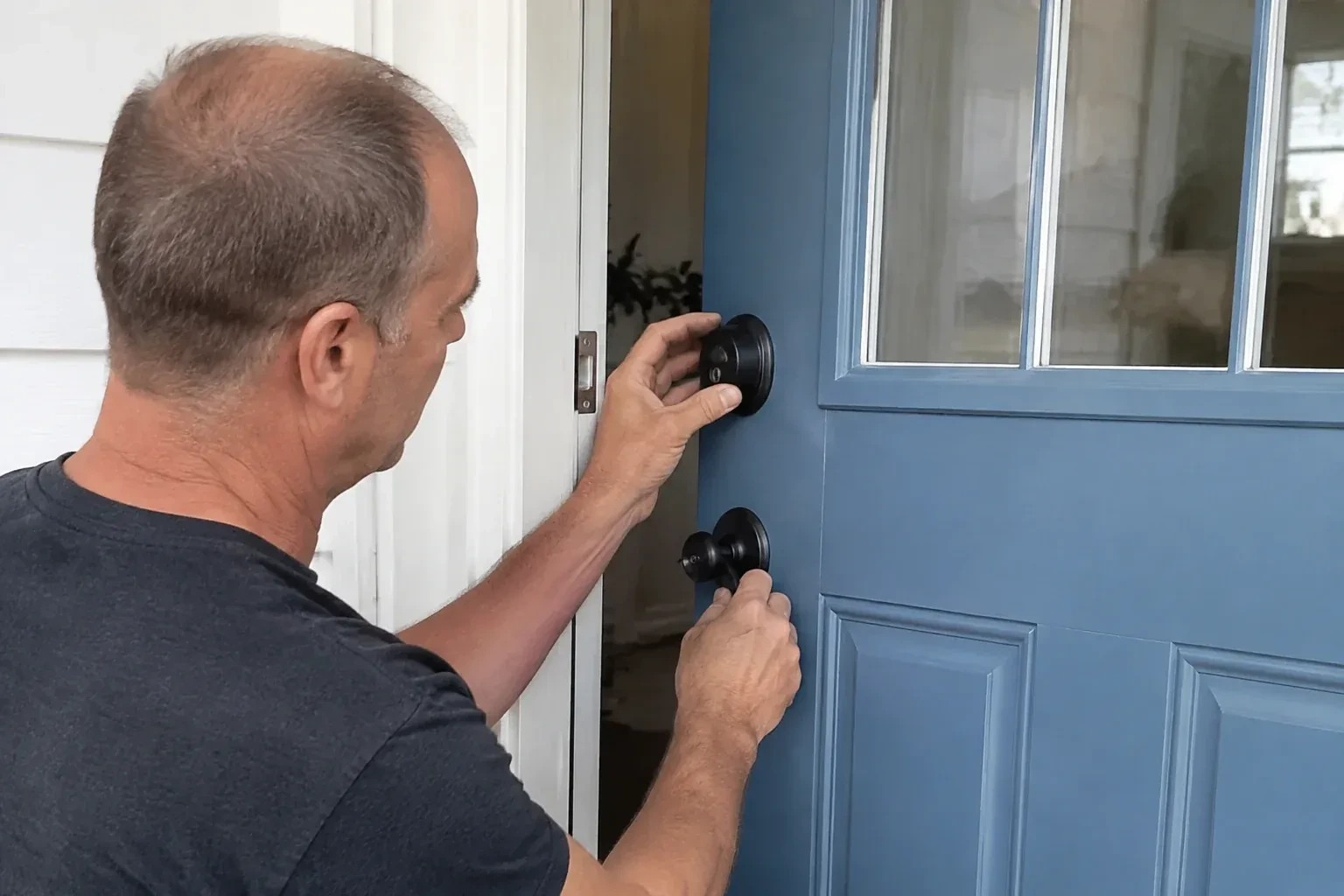
Steel-clad and fibreglass doors, the common insulated entry doors in newer subdivisions, take a deadbolt happily as long as they are cut for it properly. The skin is thin metal or resin over a foam core, often with a wood block at lock height, so the cross bore is made with a hole saw suited to the skin, at low speed, and the edge is finished with a plate rather than a chisel mortise. Solid wood doors in older homes are cut conventionally, with care for splitting at the edge. The locksmith reads the door before drilling and picks the method that leaves a clean opening and a true-running bolt.
How the visit goesSomeone tried the door last winter. The frame took it, but the strike plate is bent, one screw hole is stripped, and the bolt sits in the pocket at a slight angle. It still locks, and it still bothers you every night.
Deadbolt Installation
How the visit goes
Exit, fire and who lives here
The last part of the first look is about the people, not the door. The locksmith asks whether this is the door the household leaves through, whether children, older relatives or anyone with limited hand strength use it, and whether it is a rental where the landlord holds keys. A door that serves as a way out gets a thumb-turn planned for it, so nobody has to hunt for a key to leave. A lever thumb-turn is easier for small or stiff hands than a knurled one, and a rental may need a note to the building manager. None of this takes long, and it shapes which box comes off the van.
Working on a steel-clad or fibreglass door
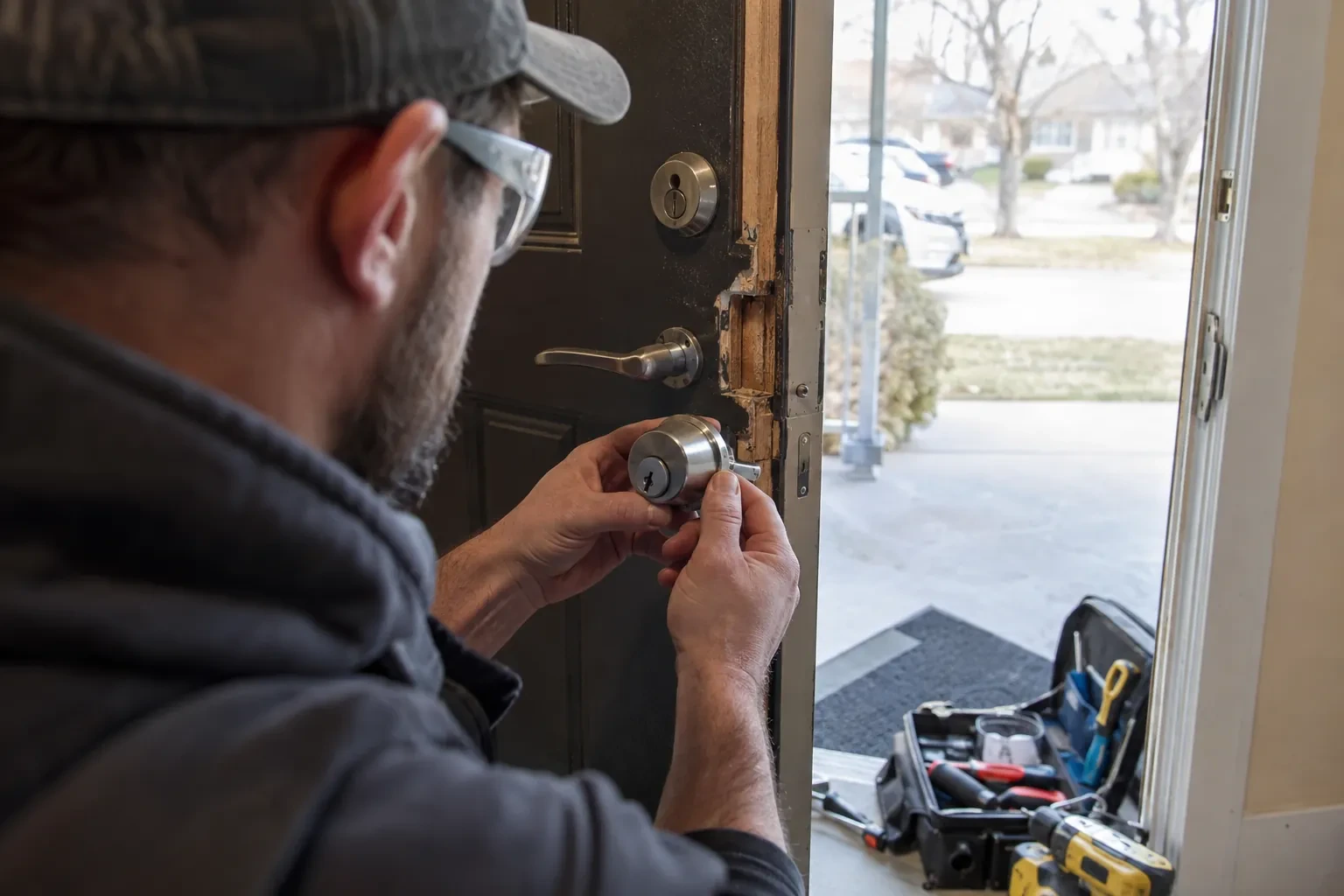
Insulated doors are cut with the skin in mind. A hole saw with fine teeth is run at low speed through the metal face, with the jig doing the steering so the saw does not skate on the smooth surface, and the cut is finished from the second face to keep both skins clean. Swarf is vacuumed out of the core so it cannot work into the bolt. The edge is usually a wood or composite stile inside a folded metal lip, and the bolt is finished with a drive-in collar or a plate screwed into the stile rather than a chiselled mortise. Fibreglass is scored first so the skin does not chip, then cut the same way.
The rest of the door, tidied
A deadbolt installation usually leaves the whole entry better than it found it. Hinge screws that were loose have been replaced with longer ones that bite into the framing, so the door hangs square. Weatherstrip that pinched the door has been trimmed and the latch below the new bolt has been checked against its own strike. The bore edges are clean, any shavings and steel filings have been vacuumed from the sill and the core, and the finish around the new hardware is unmarked. Open and close the door a few times over the next week and let the locksmith know if anything changes as the door settles.
Deadbolt Installation
In the van
Strike box
Jamb reinforcer
25 mm auger bit
Dry PTFE lubricant
Reinforced strike plate
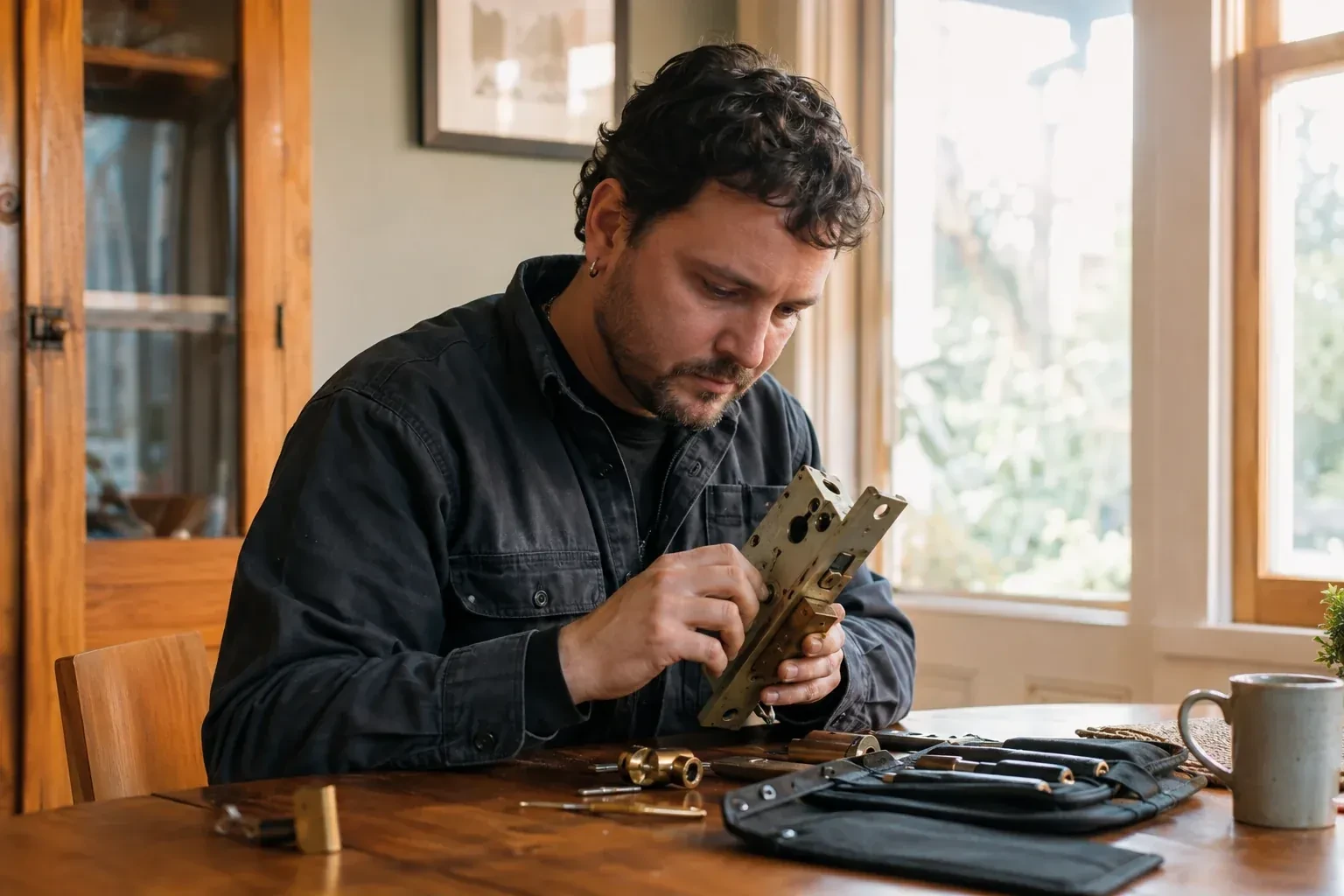
Deadbolt Installation
What affects the quote
Mechanical, keypad or smart lock
Electronic deadbolts carry a different hardware line and add setup time for codes, pairing to a phone and a walk-through, all of which appear as their own entries.
Finish and trim style
Coated finishes built for salt and sun, matching trim for an existing handleset, and low-profile faces cost differently from a standard brass or nickel unit, and you choose the level.
Door material
Solid wood, steel-clad and fibreglass doors are each cut differently. Metal skins call for slower cutting and cleanup of filings, so the material is one of the first things a quote takes into account.
What to have ready
- Is the door solid wood, steel-clad or fibreglass, and roughly how thick is it?
- Do you own the home, rent it, or manage it for someone else?
- Does the door have to be pulled or lifted before it latches or locks at the moment?
Deadbolt Installation: questions
QuestionsDo I need a deadbolt on the door from the garage into the house?
It is worth having. The door between an attached garage and the living space is in practice often the softest way in, since a garage door left open leaves a passage knob as the only barrier. A thumb-turn deadbolt there costs a few minutes a day and closes that gap.
The door has to be pulled before the old bolt will lock. Will a new one fix that?
The new bolt will only lock as smoothly as the door and frame let it, so the locksmith deals with the cause as part of the installation. A door that has sagged on loose hinges gets longer hinge screws or a shim, thick weatherstrip is trimmed, and the strike is set from the bolt's actual position with the door closed. The pocket is bored deep enough for a full throw. Afterwards the bolt should slide with fingertip effort.
Can the new deadbolt use the same key as my other doors?
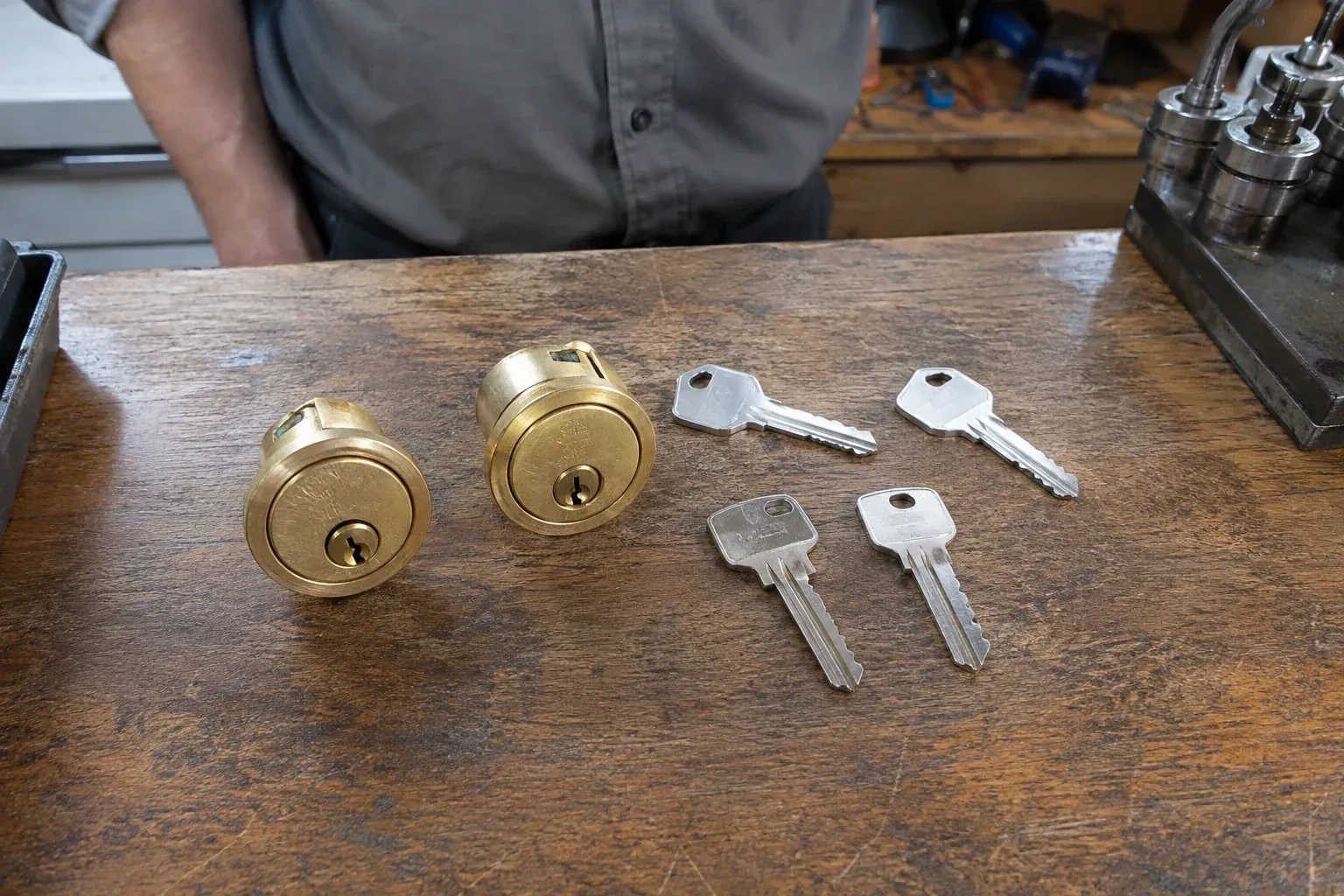
Usually, yes. If the new lock shares a keyway with your existing cylinders, the locksmith repins it on the bench so your current key operates it, and nothing changes on anyone's ring. If the keyways differ, the other doors can be brought onto the new key instead. Say which key you want to keep before the hardware is chosen, because keyway is part of picking the lock.
Related services
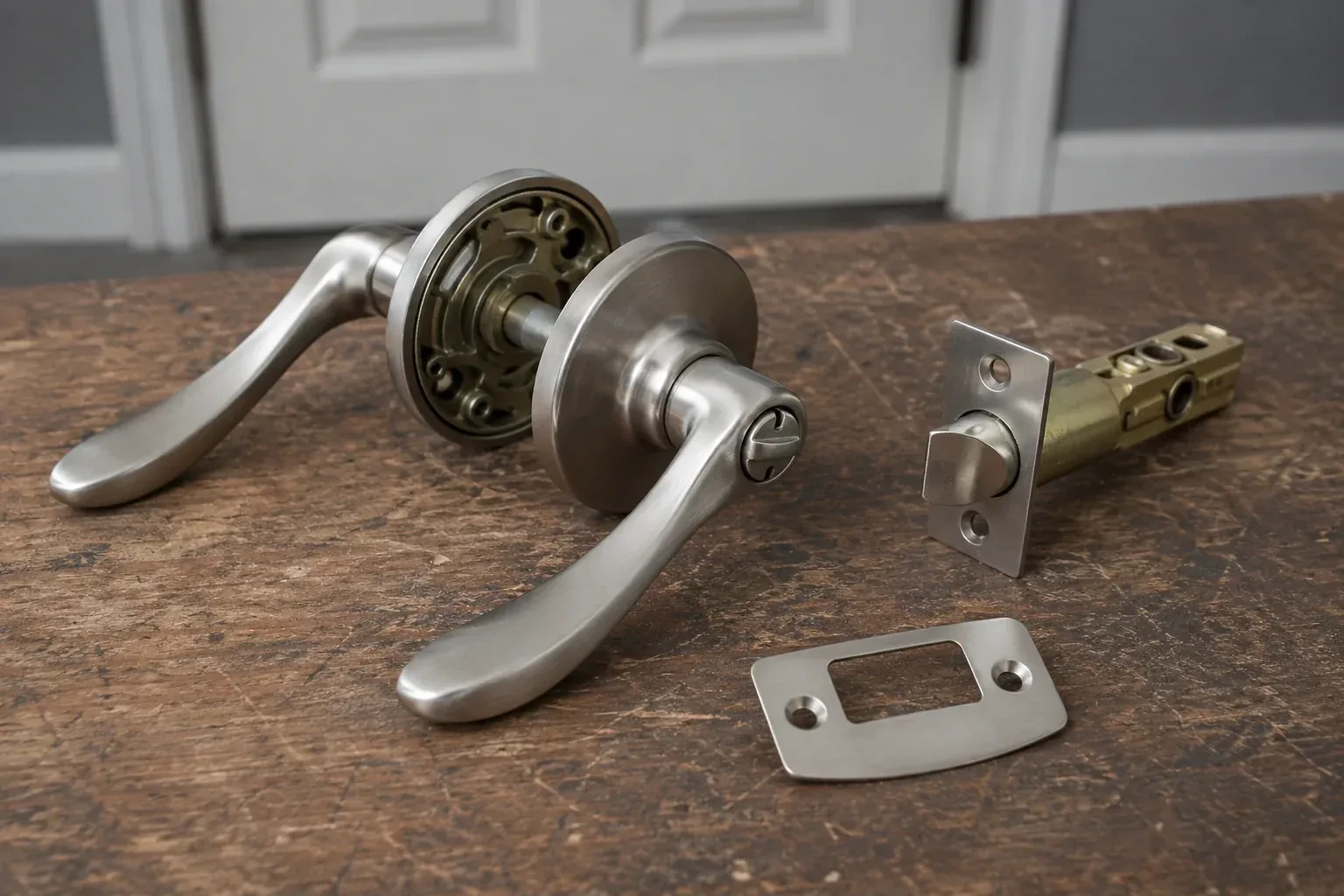
- Lock Replacement & UpgradeSomeone tried the back door while you were away.
- Vintage Mortise Lock ServiceThe knob flops loose on its spindle and never springs back to level.
- Smart Lock InstallationYour mother still lives on her own, and the personal support worker, the pharmacy delivery and two siblings all need to get in on different days.