Change or rekey · Clairlea
Lock Replacement & Upgrade in Clairlea
Someone tried the back door while you were away.
In plain words
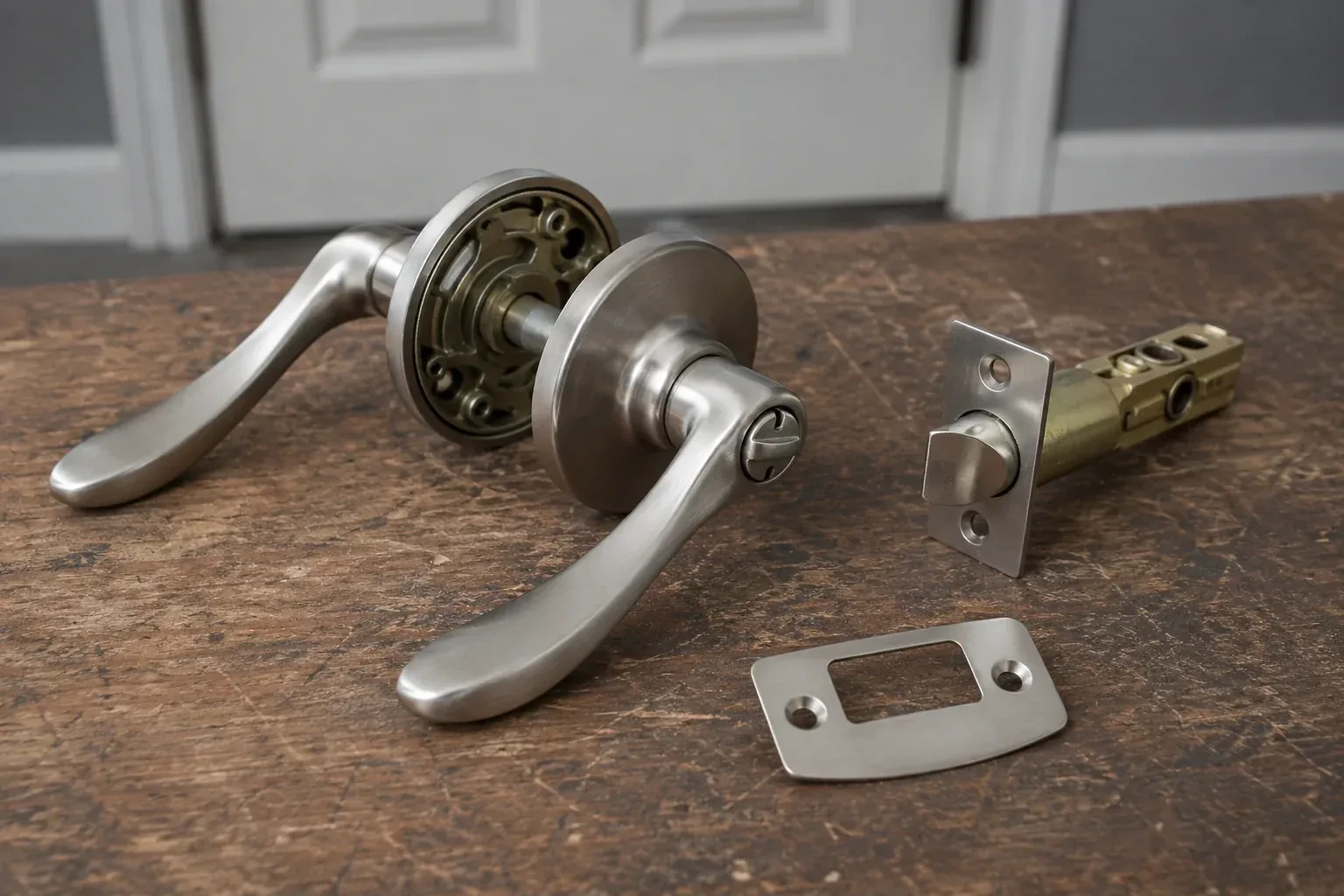
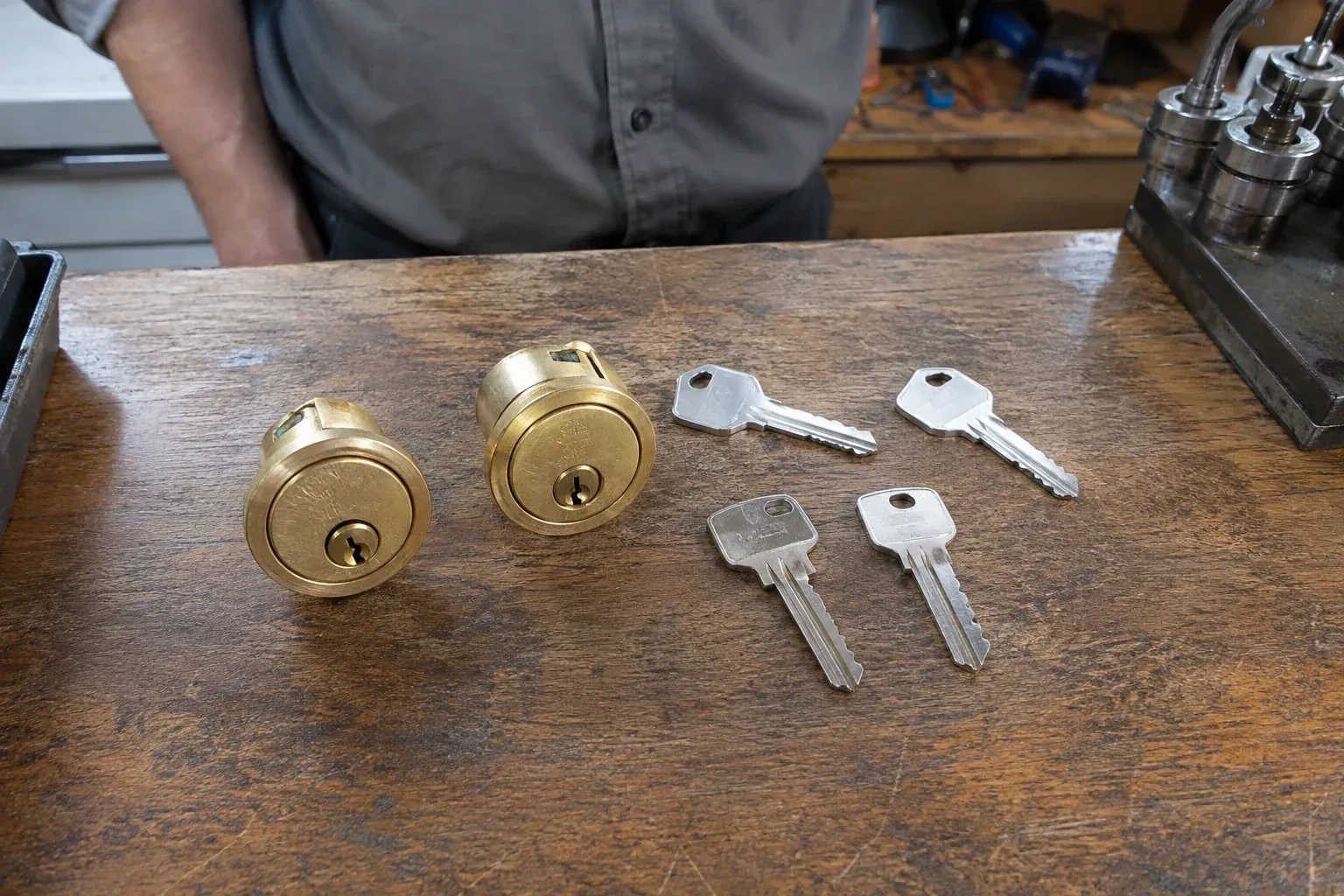
Not every complaint about a lock ends in a new lock, and a good visit says so. A cylinder that turns stiffly may only need cleaning and fresh pins; a lost key calls for rekeying, which keeps the hardware and changes the key; a loose lever often wants a tightened spindle. Replacement earns its place when the mechanism is worn through, the housing is damaged, the grade was never adequate for the entrance, or you want a different function, finish or a keypad. The locksmith lays the three routes side by side so the choice rests on what the door needs rather than on what is in the van.
How the visit goesThe lever on the side door droops toward the floor and rattles in your hand. The latch no longer springs back on its own, so the door drifts open behind you unless you pull it shut and check it twice.
Lock Replacement & Upgrade
How the visit goes
Function, and the way out
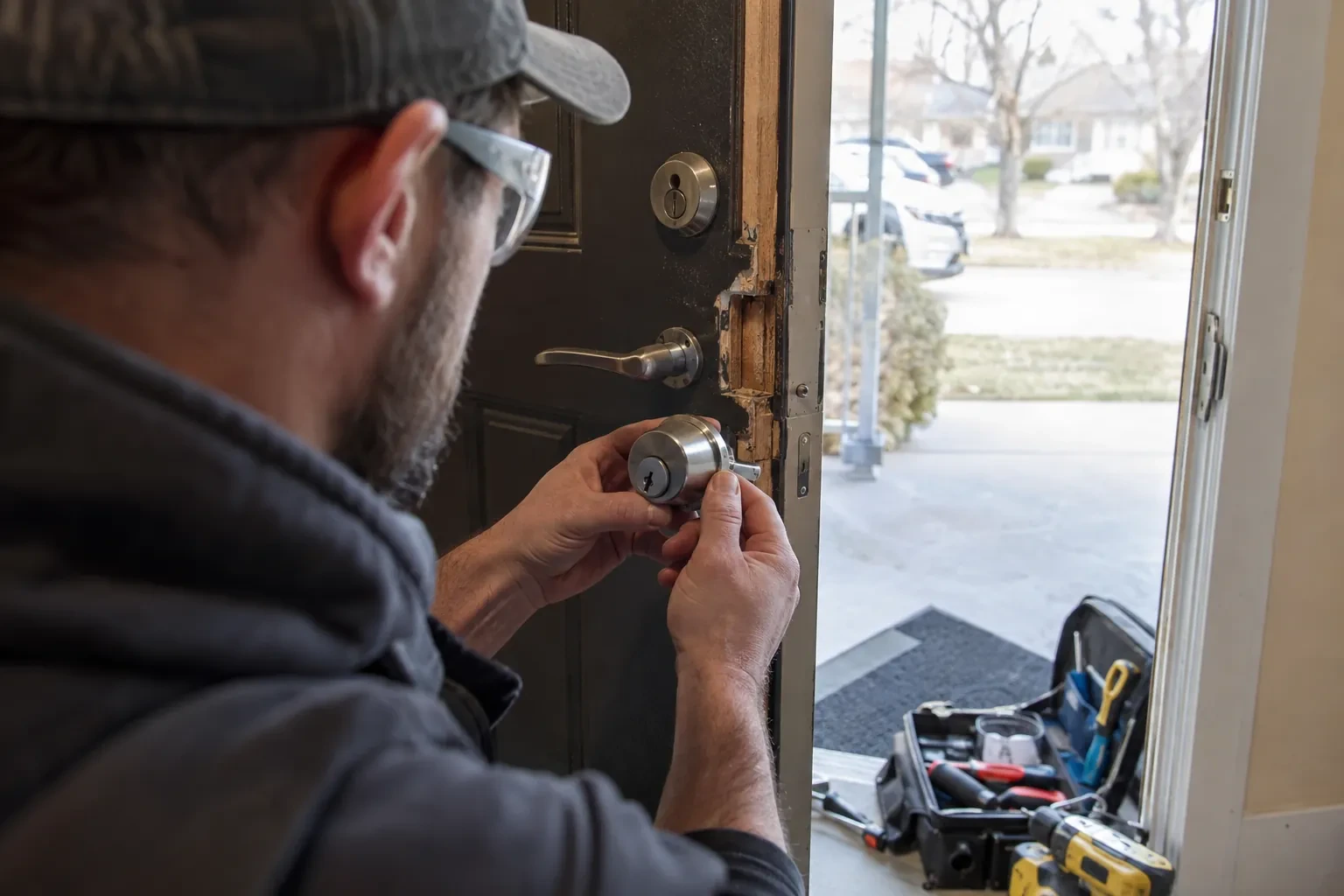
Each door has a job, and the hardware should match it. The main entrance needs a keyed deadbolt with an interior thumb-turn so anyone inside can leave without hunting for a key. A door with glass beside it is better served by a reinforced strike and glass protection than by a keyed cylinder on the inside. Interior doors may want passage, privacy or a keyed function, and a lever suits hands that find a knob awkward. Sorting function out first keeps looks from overriding how the door has to work.
Adapting older and unusual doors
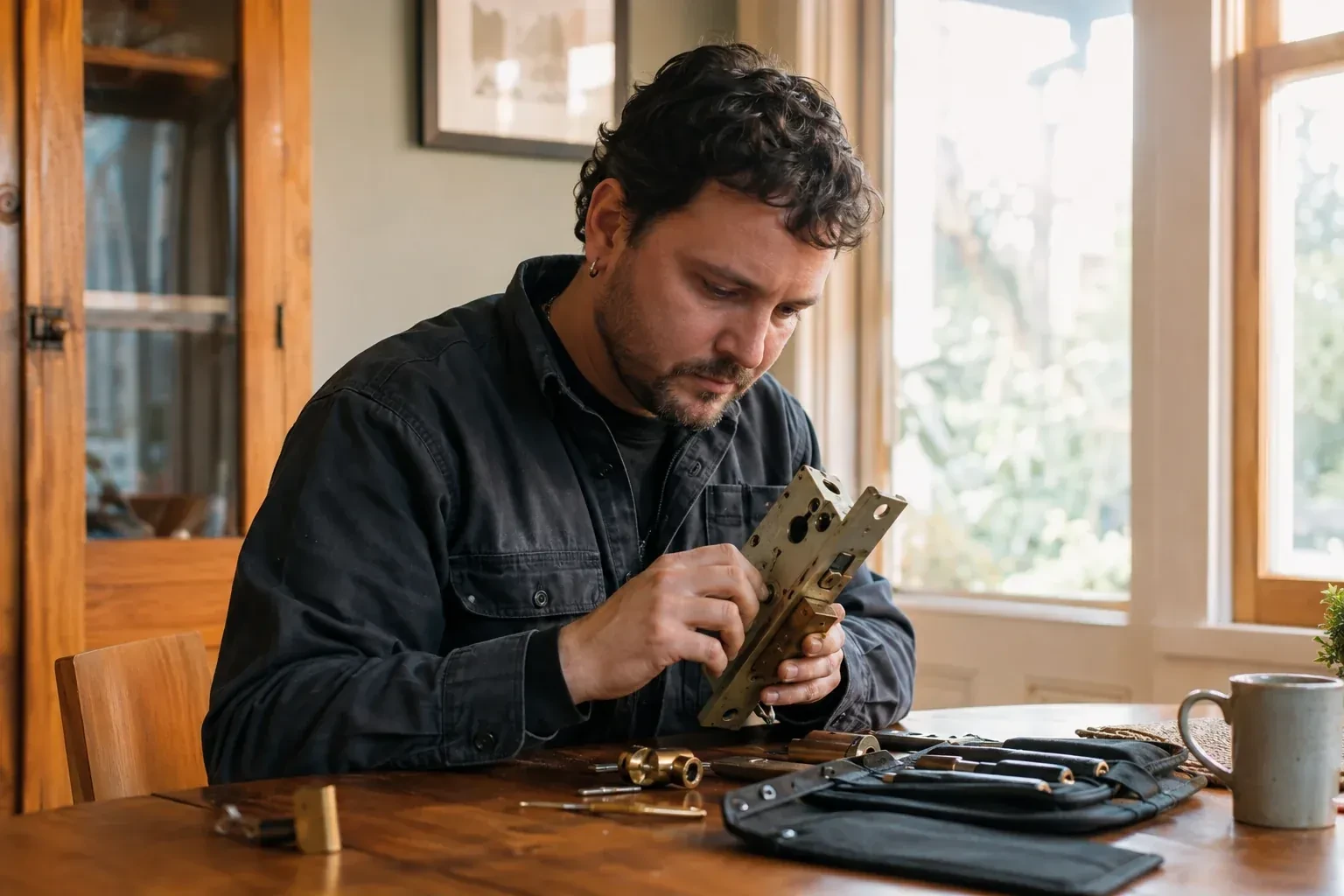
Not every door is a standard modern slab. A century home with a mortise lock may keep its case and get a new cylinder and strike, or take a filler plate that lets a cylindrical deadbolt sit where the old case was, without hacking at the original stile. A door thicker than 45 millimetres gets extended spindles and screws. A sliding patio door gets a replacement mortise hook lock or a keyed surface bolt sized to the rail. Steel and fibreglass doors are drilled only with the right bits and a jig, and a new deadbolt above an existing knob is bored with a template so it sits square.
A record of what went on the door
You are told plainly what was fitted: the maker and model, the grade, the function and finish of each lock, whether the strike was reinforced, and how the doors are keyed. The instruction sheets and packaging stay with you, since they carry the model numbers needed for a matching lever or a spare cylinder later. The old hardware is handed over or taken away as you prefer; a sound old cylinder can be worth keeping as a spare. For a rental, this account doubles as the note a landlord or property manager will want about the new keys.
Lock Replacement & Upgrade
In the van
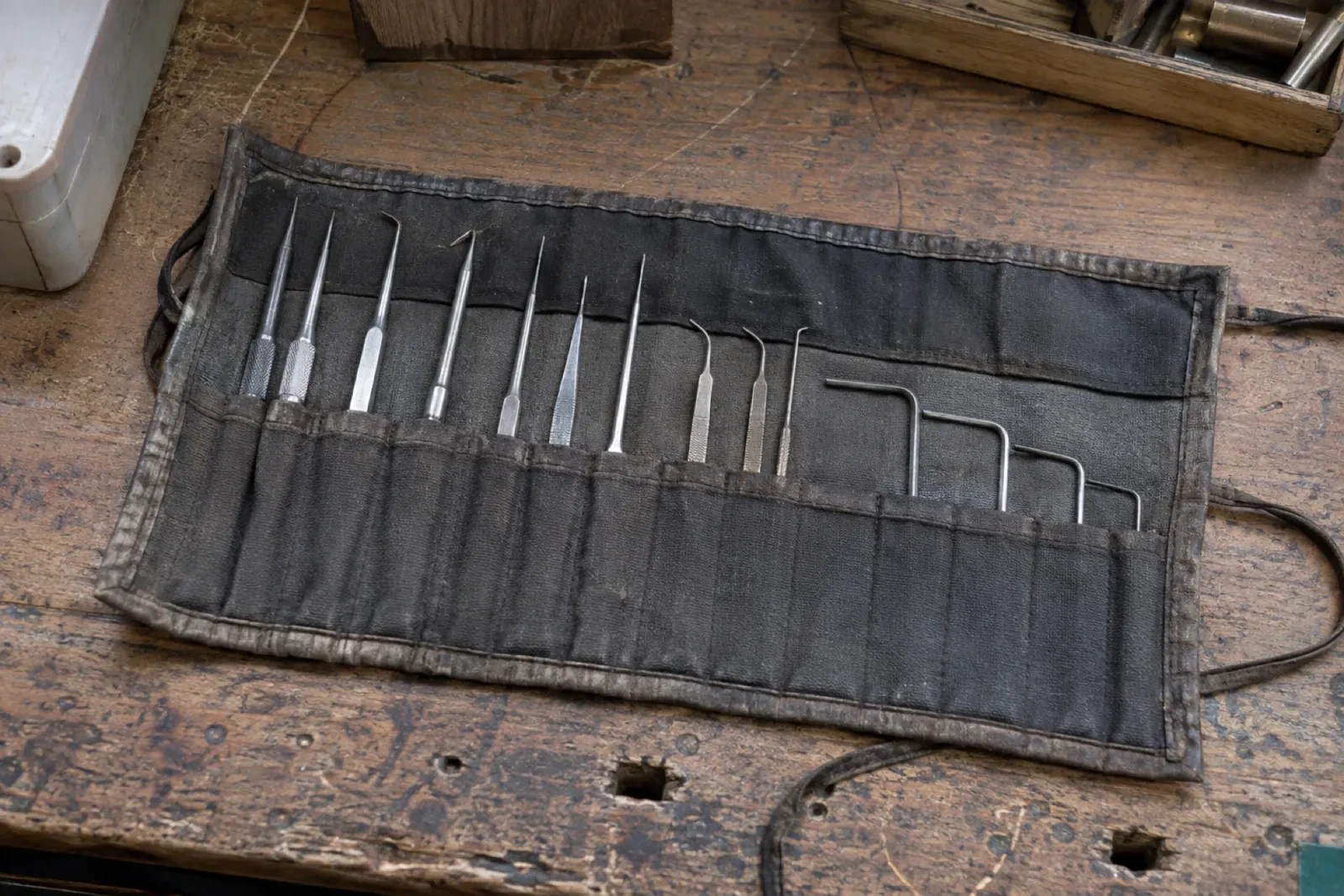
Cylinders, plug follower and pinning kit
Graded deadbolt
Boring jig and hole saws
Chisels, mallet and hand screwdrivers
Manufacturer-approved cylinder lubricant
Lock Replacement & Upgrade
What affects the quote
Older and mortise hardware
Servicing an original mortise case, sourcing a compatible cylinder or fitting a conversion plate on a century door involves more assessment and fitting time than a standard cylindrical replacement.
Door material and thickness
Wood, steel and fibreglass doors are drilled and fitted differently, and a door thicker than the standard 45 millimetres needs extension parts, so the door itself shapes part of the quote.
Authorization needed from a property manager or landlord
A rental or condominium unit sometimes needs sign-off from a property manager or landlord before a lock is changed, and new keys may need to reach more than one party afterward. Confirming who is authorized and who receives keys is worked out before the new hardware goes in.
What to have ready
- Are you interested in a keypad or smart lock on any door?
- How many keys does the household need, and should copying be restricted?
- Which finish should the new hardware match?
Lock Replacement & Upgrade: questions
QuestionsWhat happens to the old lock?
It is yours. Some people keep a sound old cylinder as a spare or move a decent deadbolt to a shed or garage door, and the locksmith can rekey it to the house key for that purpose. Worn or damaged hardware is taken away for recycling if you prefer. Either way, the old keys should be gathered up and discarded so nobody confuses them with the new set.
Will a new lock fit the holes already in my door?
Usually, yes. Most residential doors are prepared to standard sizes, a 54 millimetre cross bore and a backset of 60 or 70 millimetres, and most modern hardware adjusts between those backsets. The locksmith measures before choosing, so the new lock is matched to the door rather than the other way around. Where an older mortise lock or an unusual bore is found, filler plates, extension kits or a carefully jigged new bore bring the door to standard.
How long does a lock replacement take?
A straightforward like-for-like deadbolt or knob set on a standard door is often a matter of an hour or less including testing. Add time for a reinforced strike, for keying several locks alike and cutting keys, for a smart lock's setup and pairing, and for repairing a split jamb or adapting an older door. When several entrances are done together, the locksmith gives a realistic window before starting so you can plan the day.
Related services
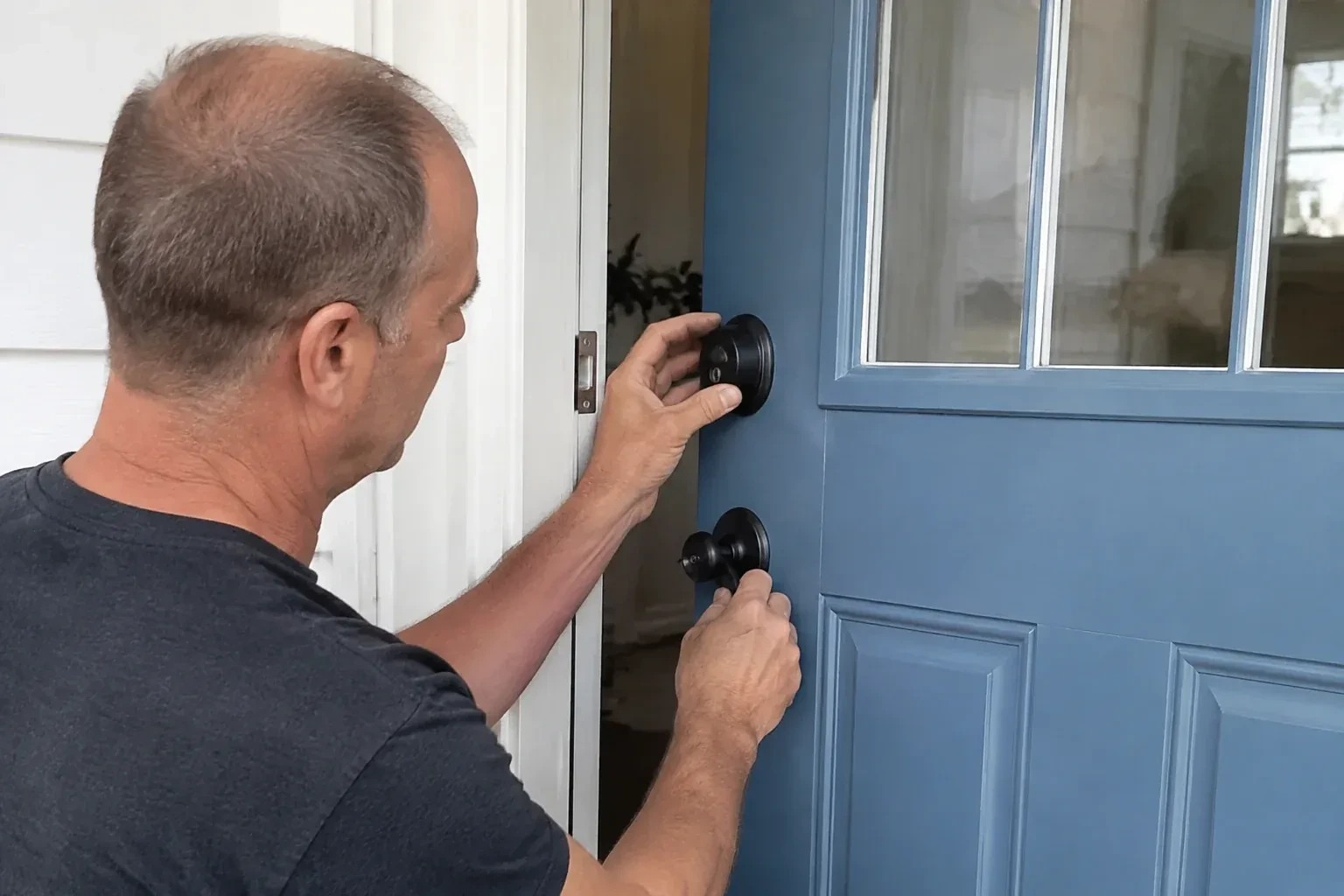
- Deadbolt InstallationThe bolt on the front door is keyed on both sides.
- Vintage Mortise Lock ServiceThe knob flops loose on its spindle and never springs back to level.
- Smart Lock InstallationYour mother still lives on her own, and the personal support worker, the pharmacy delivery and two siblings all need to get in on different days.