Car keys · Kennedy Park
Motorcycle & Scooter Keys in Kennedy Park
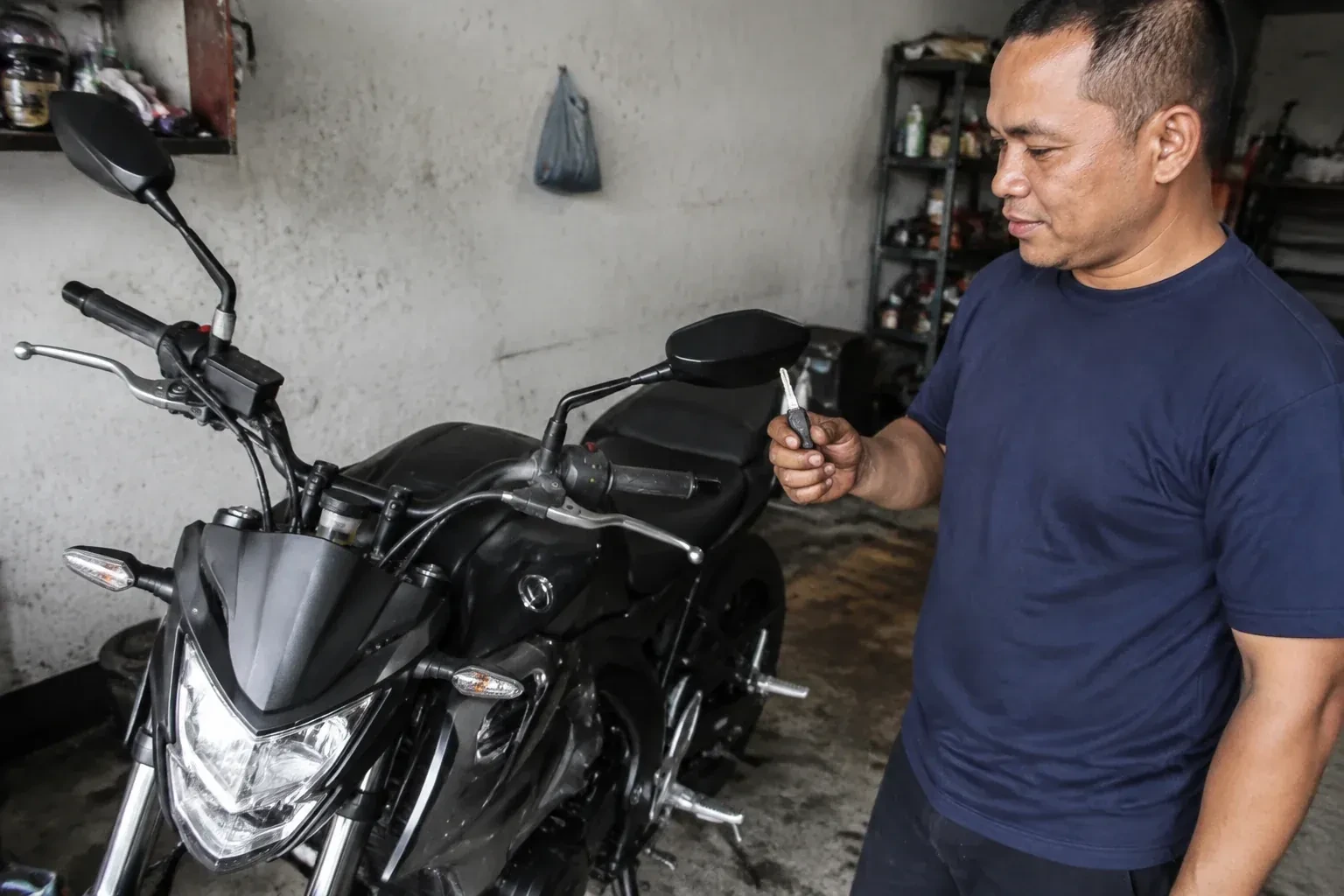
The bike came home from its previous owner with a single worn key that starts the engine but does nothing for the seat latch or the fuel cap, both of which answer to keys nobody handed over.
In plain words
Sometimes the machine is not the problem; the key is. A blade that has worn thin, bent slightly, or been copied one generation too many stops lifting the wafers cleanly, which shows up as a key that needs a wiggle or a lift to turn. Rather than living with an unreliable copy, a fresh key cut directly from the lock's code or read from the original wafers restores a clean, consistent turn, and the worn key can be retired instead of carried as a backup that may not work when needed.
How the visit goesThe key still opens the seat and unlocks the fork, but at the ignition it needs a slow half-turn and a small lift before the switch engages, a habit that has crept in over years of daily starts.
Motorcycle & Scooter Keys
How the visit goes
Confirming who is asking
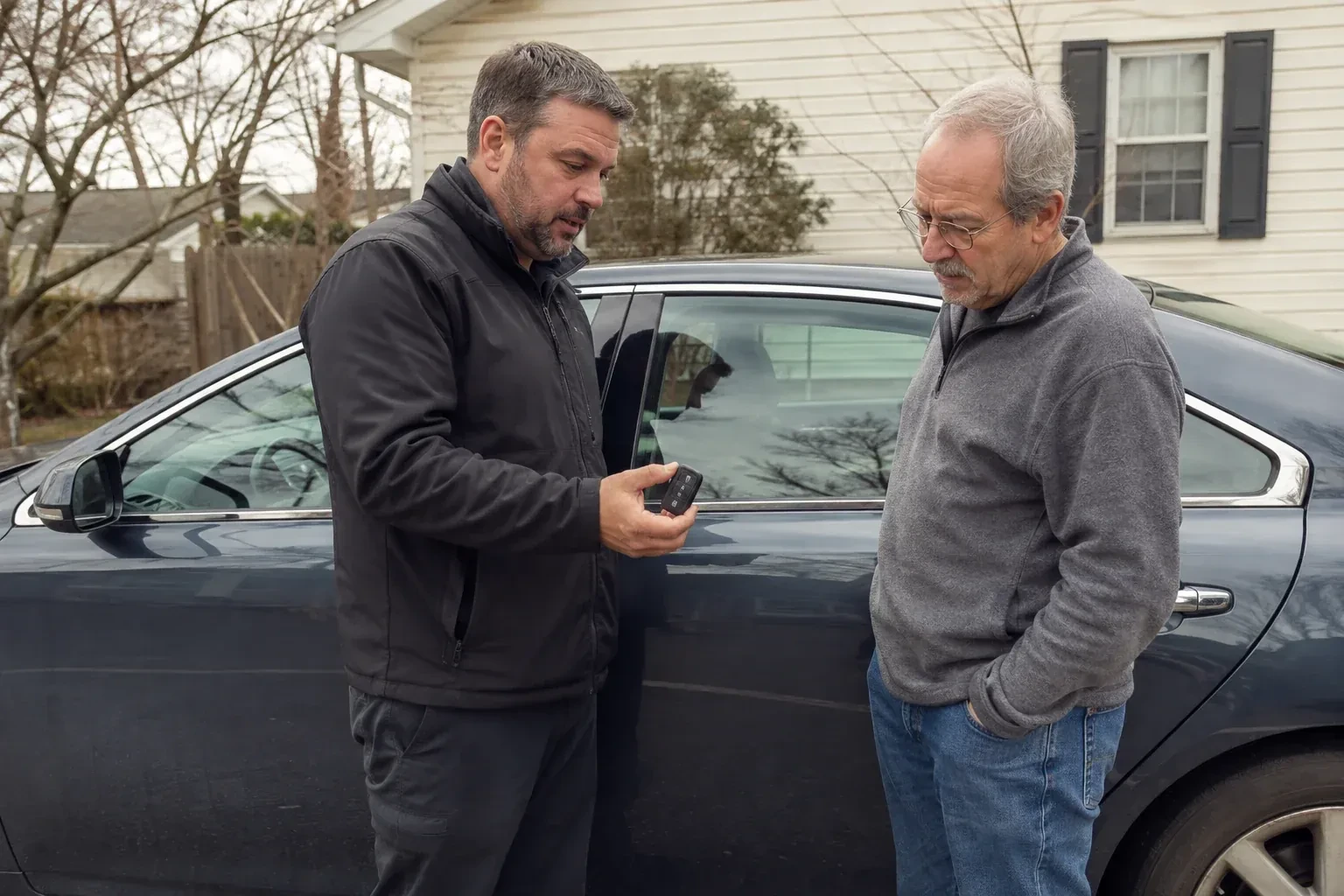
Before any lock is touched, the locksmith confirms that the person requesting a key has a real connection to the machine: vehicle registration, an insurance document that matches the plate, or a bill of sale for a recent purchase all work. Where paperwork is not on hand, a dealership record, a family member who can vouch for the owner, or a photo of the machine alongside identification often fills the gap. This step takes only a few minutes and stands ahead of any cutting, decoding or programming, since a working key is something that should only ever go to the person meant to hold one.
Decoding a lock with no key at all
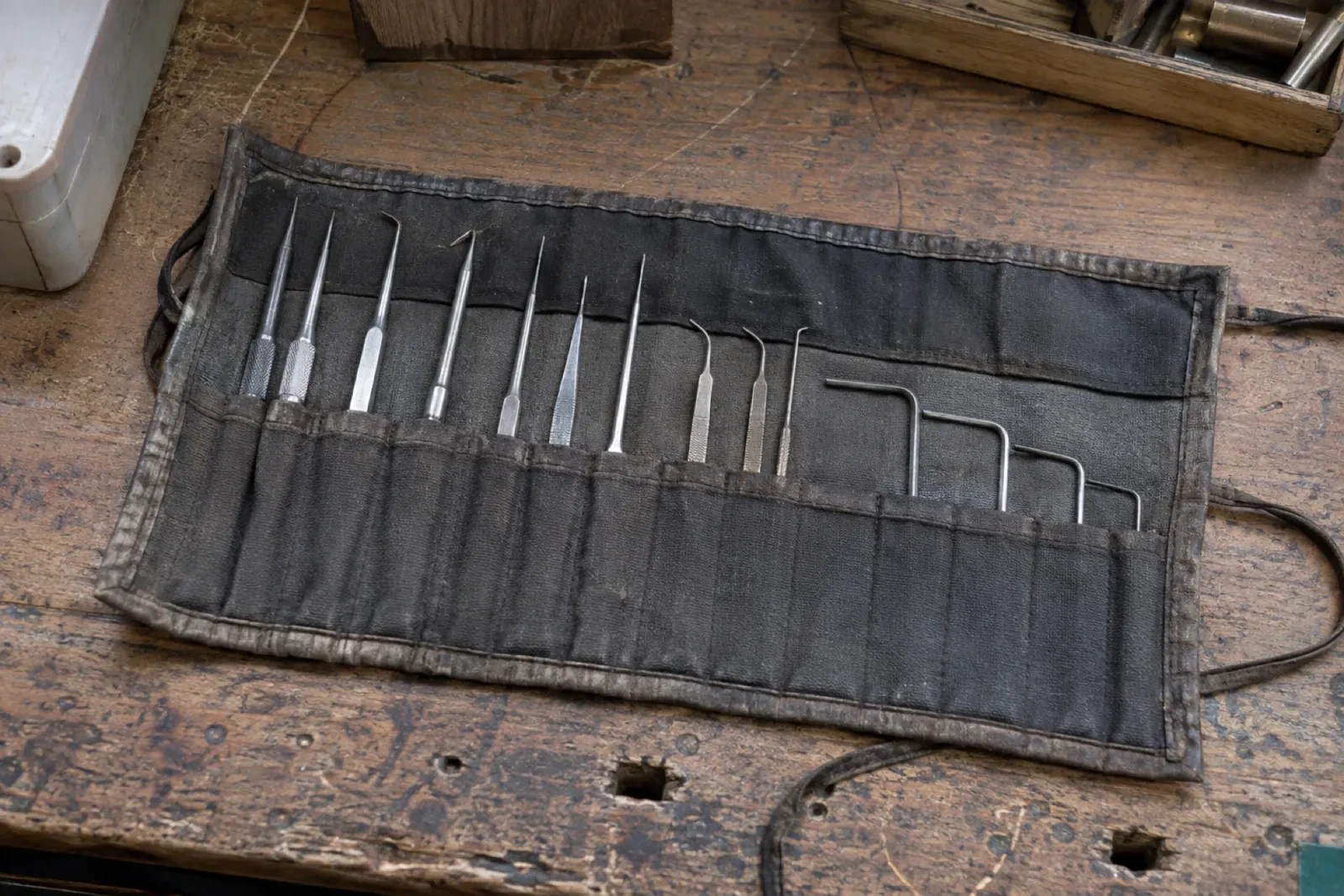
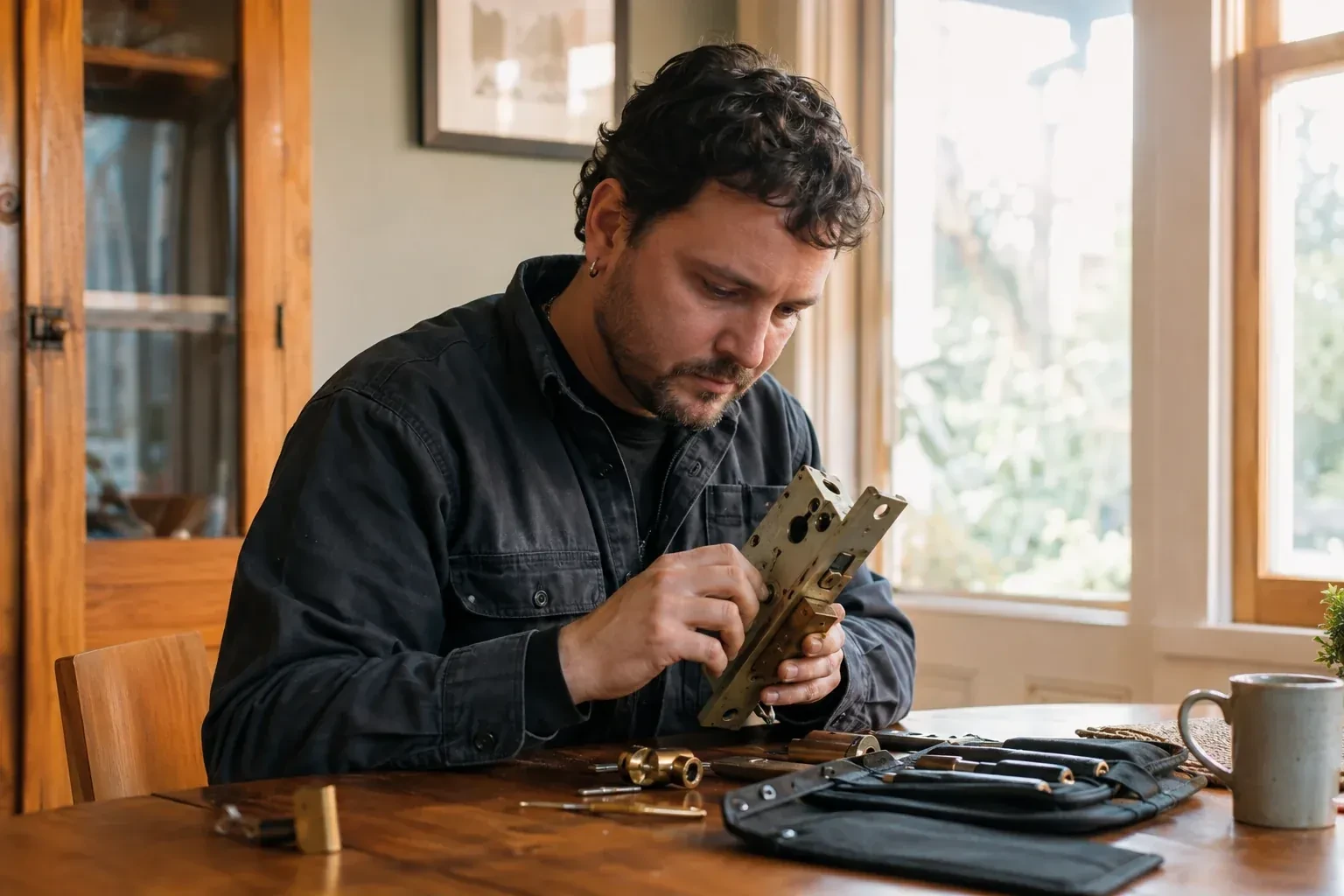
Without any key to copy, the lock has to speak for itself. The locksmith picks the cylinder and reads each wafer's resting depth with feeler tools or a small scope, or uses a decoder built for that keyway, translating what is found into a cutting code. A key is then cut to that code and tested in the lock before being trusted on the ignition proper. This route takes longer than copying an existing key, since every wafer has to be read individually, but it produces a key that matches the lock exactly rather than an approximation.
Noticing trouble early
A key that has begun needing a small wiggle or a lift to turn, on a lock that used to accept it cleanly, is an early sign worth acting on before it becomes a lock that will not turn at all. The same goes for a steering lock that has started to feel stiffer than it used to, or a seat latch that catches before it releases. Addressing any of these while the key still works, rather than after it stops working altogether, is usually the calmer of the two visits.
Motorcycle & Scooter Keys
In the van
Pick and tension tools
Code-cutting machine
Motorcycle key blanks
Penetrating fluid
Contact cleaner
Motorcycle & Scooter Keys
What affects the quote
Weather affecting a seized lock
A lock seized by cold, ice or dried-out grease from a season of storage takes patient thawing and working before a key can be tested against it, which a winter call reflects.
Make, model and age of the machine
Make, model and age decide how common the keyway and blank are. A widely used platform is usually the more straightforward case; an uncommon or older machine can take longer to source parts for.
Distance to the machine's location
Distance to wherever the machine is kept, whether a driveway across town or a more remote property, is part of every call, and travel time is reflected alongside the key work itself.
What to have ready
- Is the machine's VIN accessible on the frame or paperwork?
- Do you have a key already, even one that works poorly?
- How many keys would you like cut in total?
Motorcycle & Scooter Keys: questions
QuestionsWhat is the difference between decoding a lock and picking it?
Picking manipulates the wafers to open the lock without necessarily learning their depths, useful when the goal is just to turn the lock once. Decoding reads each wafer's actual depth, usually with a scope or a feeler-style tool, so that information can be turned into a cut key. For key service the lock is generally decoded rather than only picked, since the point is producing a working key, not just a single turn.
Do all motorcycles have an immobiliser these days?
Not all of them. Many machines built in roughly the last two decades carry a transponder chip and an ignition module that checks it, but plenty of smaller-displacement bikes, scooters and older machines still use a purely mechanical lock with no electronic layer at all. The locksmith checks for a coil around the ignition barrel and asks how the engine behaves with the current key to tell which type is on hand.
I only have the key, not the bike here. Can you still cut one from it?
Yes, a key on its own can usually be read and duplicated without the machine present, since the cuts on the blade carry the information the locksmith needs. What cannot be confirmed without the bike is whether an immobiliser is fitted or whether other locks are keyed the same way, so bringing the machine, or at least a photo of the ignition and dash, helps decide whether anything beyond a straightforward copy is needed.
Related services
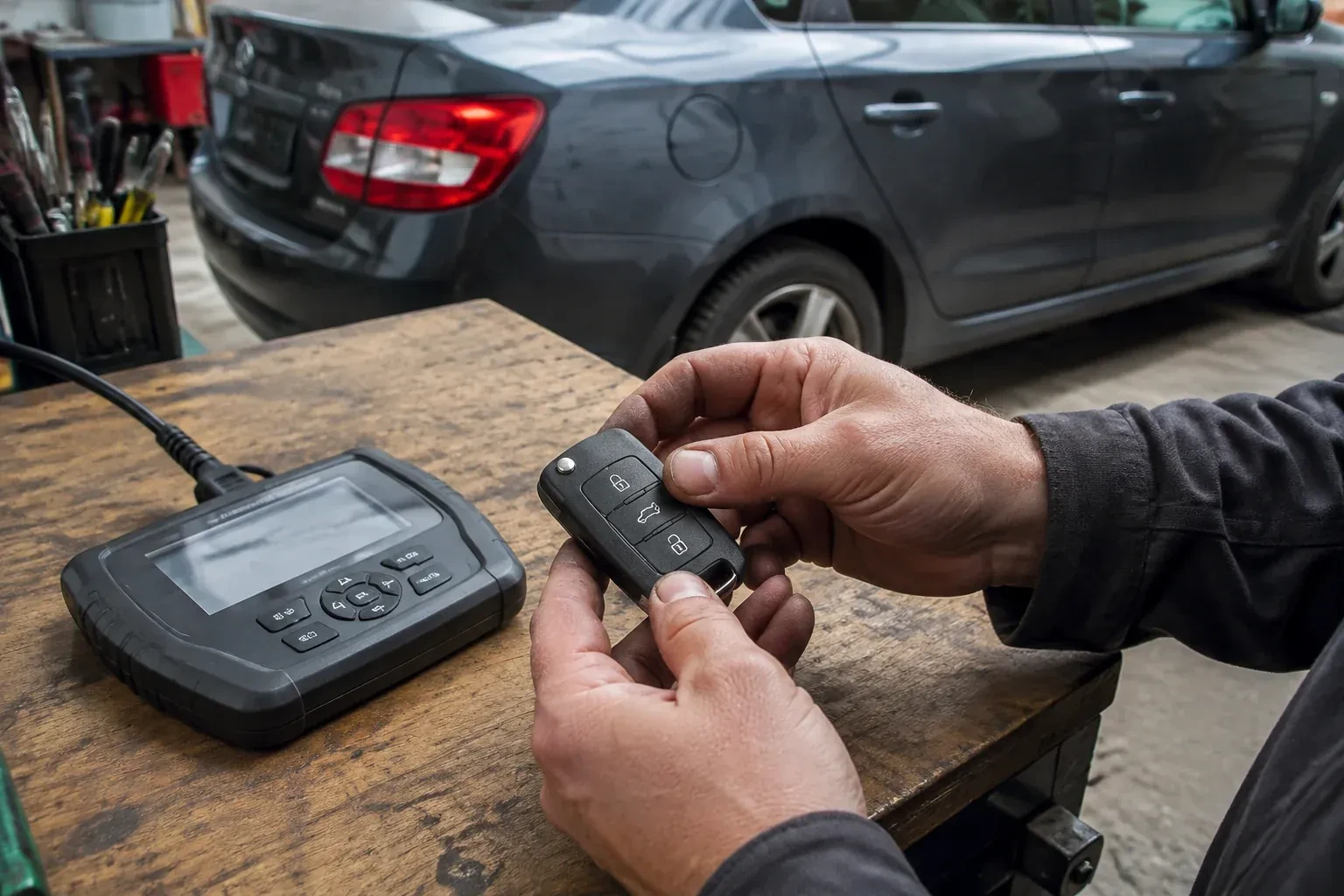
- Car Key ReplacementThe car is yours now, but somebody else still holds a key to it.
- Spare Car Key DuplicationA car sits at the cottage all season, and the only key to it lives on a ring three hours away in the city.
- Key Fob ProgrammingA cracked case or a spin through the wash left the fob unresponsive, and opening it up reveals a slightly corroded board where the buttons used to sit.