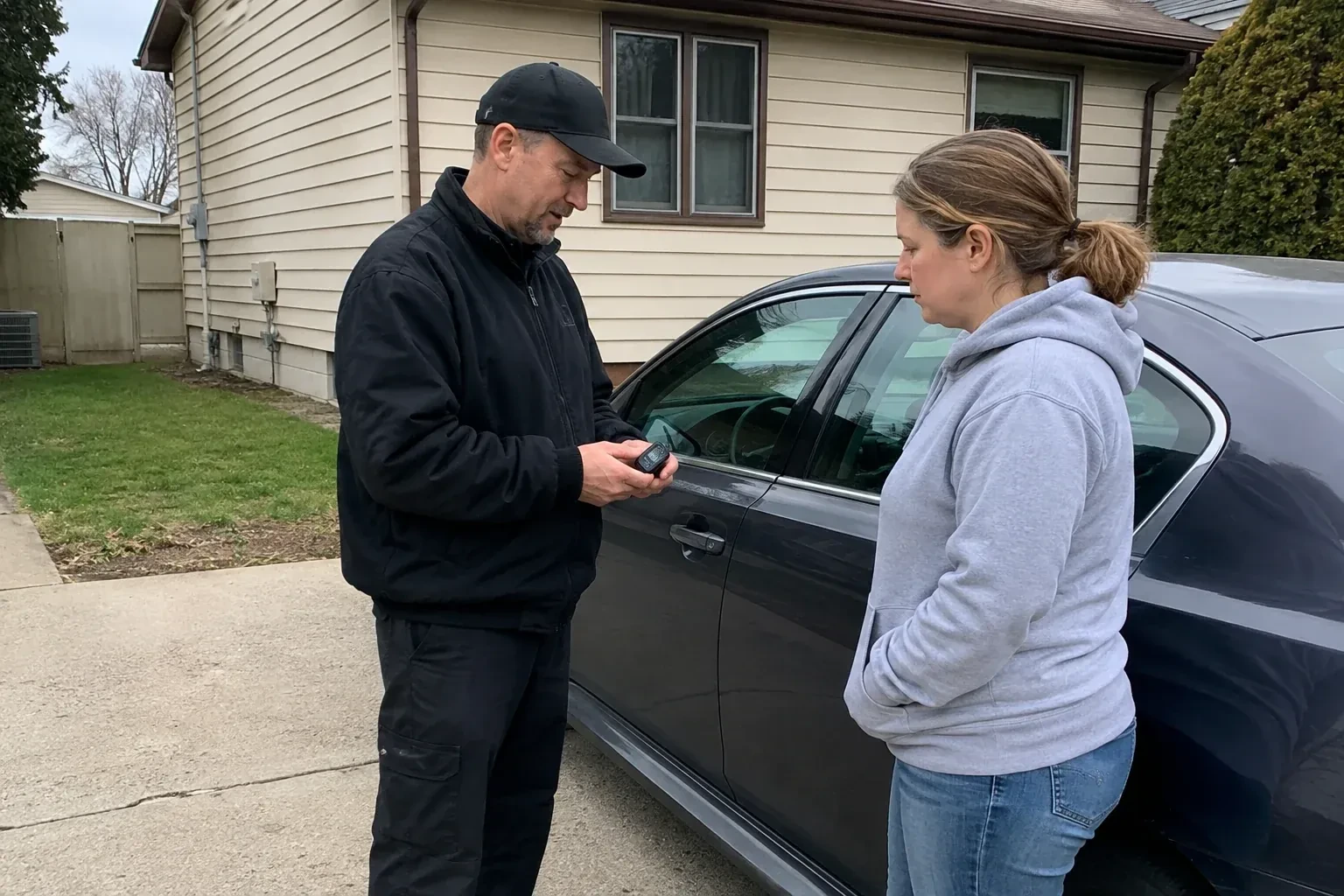
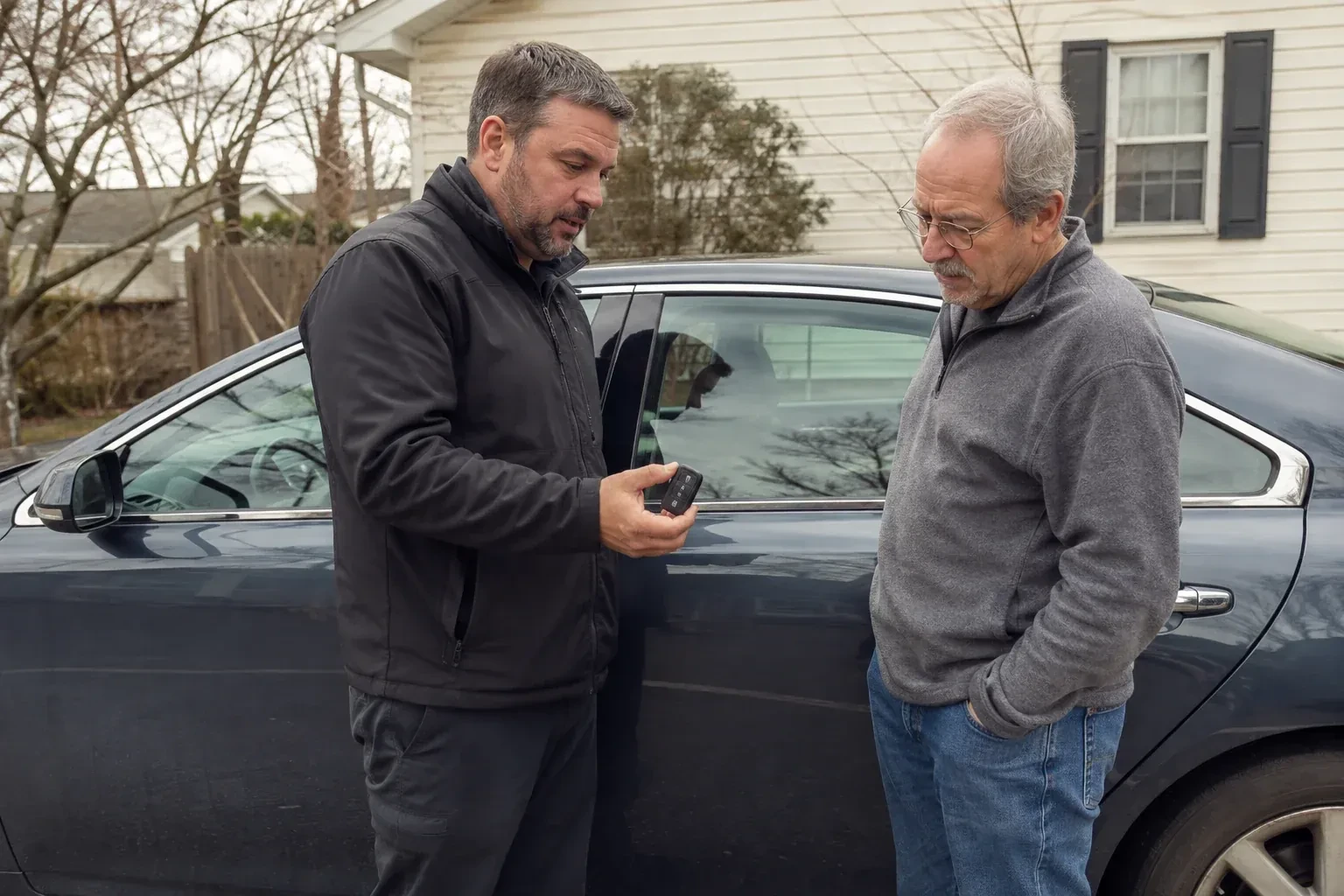
Car keys · The Golden Mile
Vehicle Lock Repair in The Golden Mile
You line the key up with the trunk lock, turn it, and feel nothing catch.
In plain words
Weather leaves its mark on vehicle locks over the years. Worn weatherstripping lets rain and winter brine reach the cylinder, the linkage and the wiring boot at the door hinge, and what starts as a slightly stiff key can turn into a lock that stops responding altogether. Vehicle Lock Repair looks at the seal around the affected door as part of the same visit, since a repaired lock behind a perished seal is likely to face the same moisture again unless the seal is addressed too.
How the visit goesAfter a cold night the driver's door key barely goes in, and when it finally seats it stops halfway and will not turn any further. Meltwater from the day before ran into the keyway and the overnight drop in temperature sealed it solid.
Vehicle Lock Repair
How the visit goes
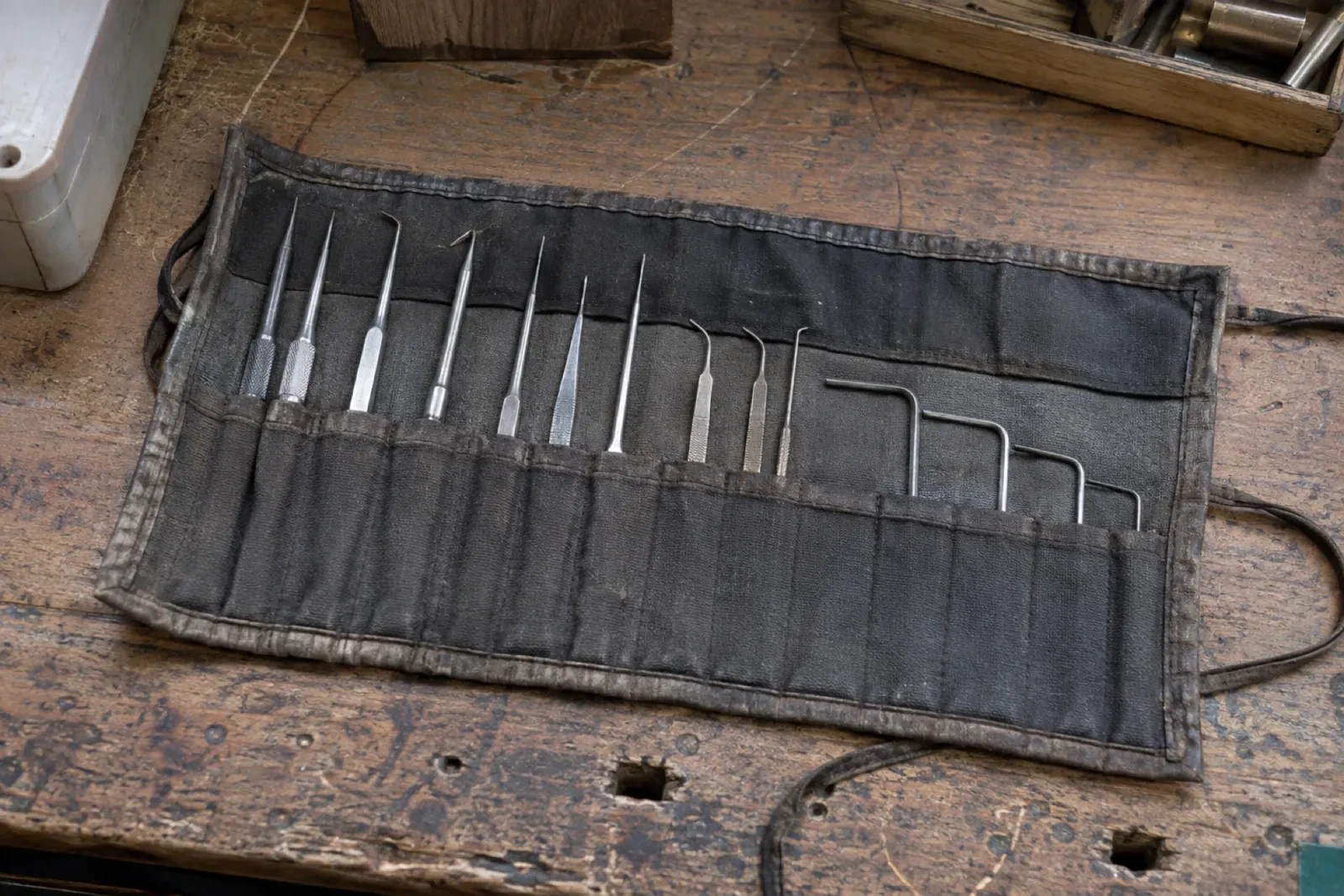
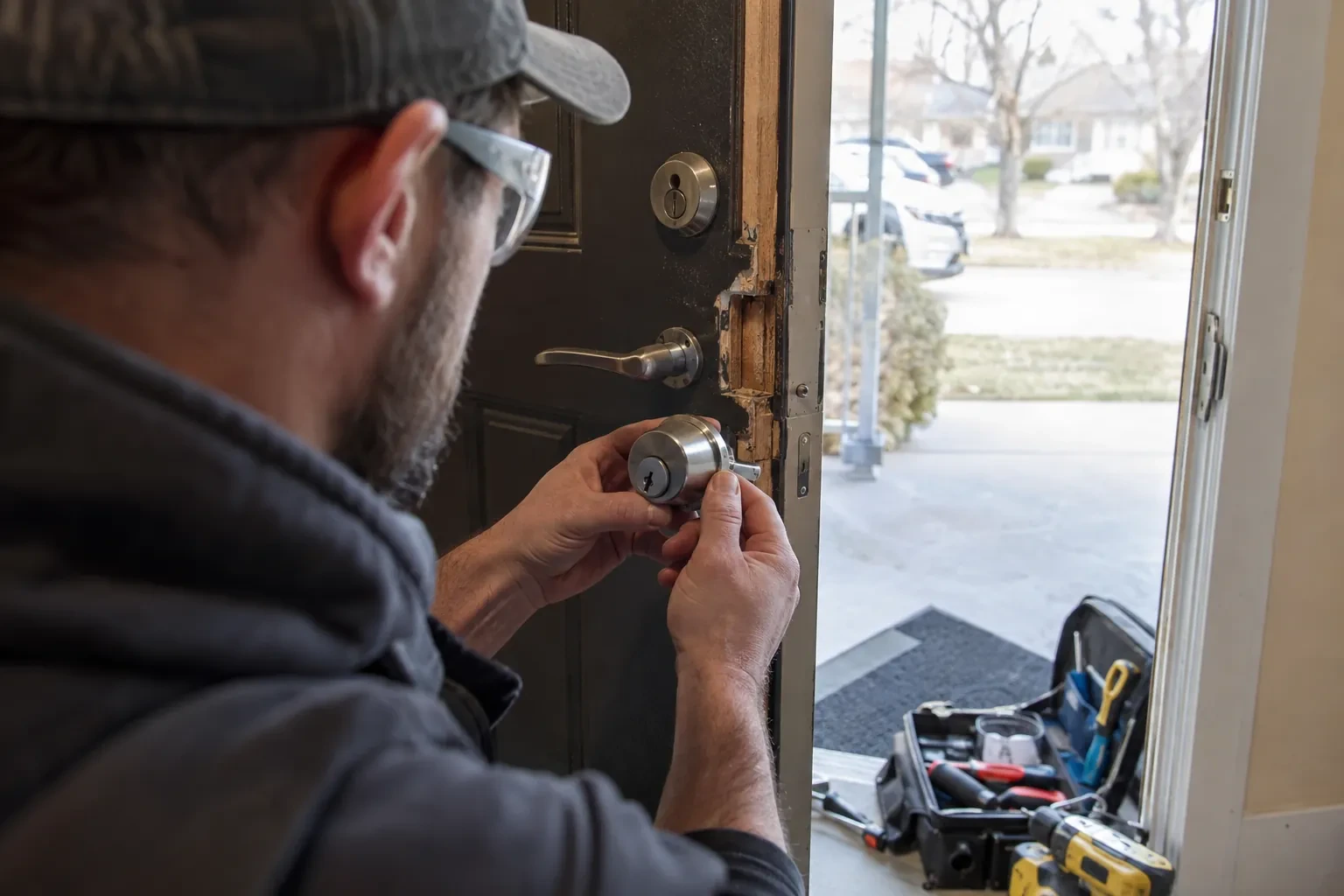
Reading the cylinder and the key together
The key itself is part of the diagnosis. A blade that has thinned from years of use, or one cut for a different vehicle years ago and never quite matched, can feel identical to a worn cylinder from the driver's seat. The locksmith checks the key's condition and origin alongside the cylinder's own resistance, since a fresh key cut to the vehicle's code sometimes resolves what first looked like a hardware fault.
Bringing central locking back into line
When one door lags behind or ignores the fob while the rest of the set responds together, the repair focuses on that single point, the actuator, its wiring or its connection to the vehicle's locking module, rather than disturbing doors that already work. Once the failed link is repaired, the locksmith cycles the fob repeatedly and watches every door, confirming the whole set locks and unlocks as one action again.
Keeping a spare key or fob somewhere useful
A repaired lock is a good moment to think about backup. A spare key kept somewhere other than inside the vehicle, or a second fob programmed for another driver in the household, means a future battery failure or a lost primary key is an inconvenience rather than a repeat of today's visit. The locksmith can cut or pair that spare while the vehicle's details are already on hand.
Vehicle Lock Repair
In the van
Key blanks cut to code
Weatherstripping and seal sections
Multimeter for wiring checks
Dry lock lubricant
Power door lock actuator
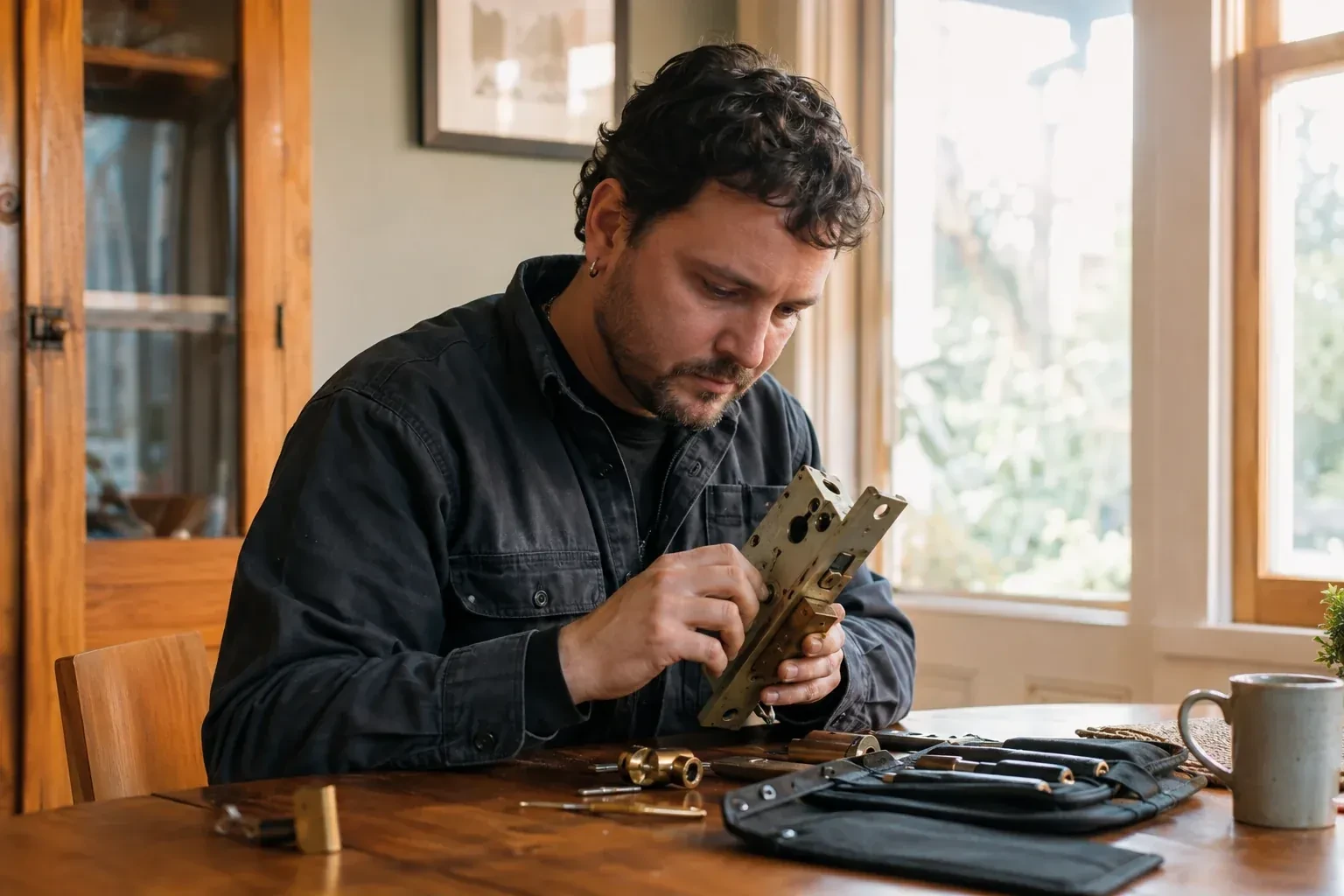
Vehicle Lock Repair
What affects the quote
Key fob battery type and availability
Most fobs use a common coin-cell battery, though a few models use a less common size or two batteries at once, which is a small factor in the final total.
Getting to the vehicle
A vehicle parked in an accessible driveway is straightforward. One in an underground garage, a gated lot or a location with limited parking adds time that the quote takes into account.
Mechanical or electronic fault
A worn cylinder or a slipped linkage rod is generally simpler work than a failed power actuator or a wiring fault reaching back to the hinge, and the quote reflects which side of the lock has failed.
What to have ready
- Which lock is affected: a door, the trunk or hatch, or a storage compartment?
- Has the key fob's battery been replaced recently, or not that you recall?
- Has anyone already tried to force the key or pry at the door?
Vehicle Lock Repair: questions
QuestionsWhat should I do before calling about a vehicle lock problem?
Note which lock is affected, whether the key turns without effect or resists turning, and whether the remote behaves differently from the mechanical key on that same door. That description helps the locksmith bring the right parts for the specific fault.
Why has my key fob suddenly stopped working?
A dead coin-cell battery is the most common reason, and it is a straightforward fix once the fob is opened. Less often, the fob has lost its pairing with the vehicle or its case has cracked and let in moisture, both of which a locksmith can check and address.
What is the difference between an actuator problem and a wiring problem?
An actuator problem usually means the small motor that moves the lock has worn out, though a switch or control signal in the same assembly can fail too. A wiring problem usually means the motor is fine but current is not reaching it, often traced to a cracked wiring boot at the door hinge or a corroded connector, though the locksmith checks the whole path rather than assuming which it is.
Related services
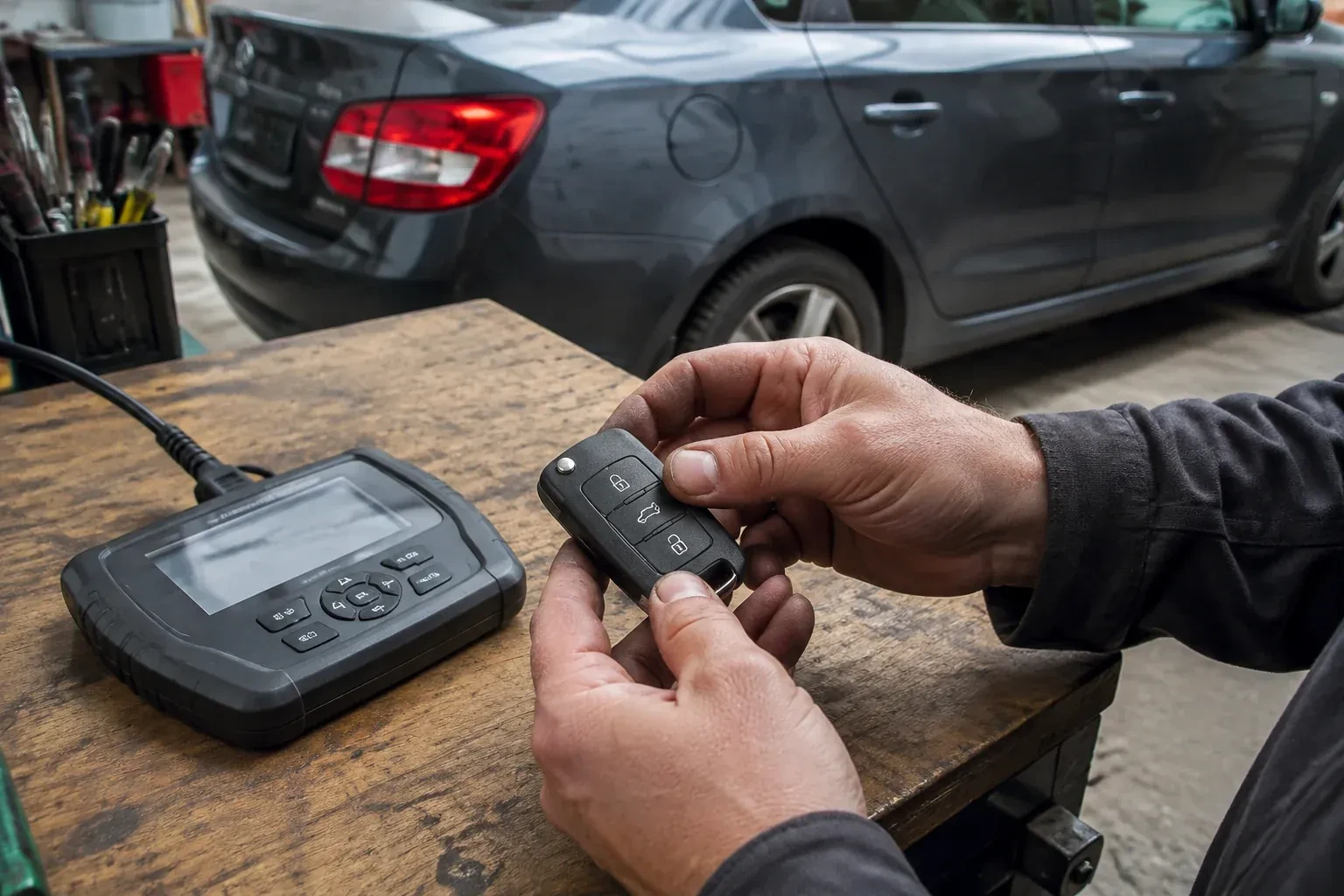
- Car Key ReplacementThe car is yours now, but somebody else still holds a key to it.
- Spare Car Key DuplicationA car sits at the cottage all season, and the only key to it lives on a ring three hours away in the city.
- Key Fob ProgrammingA cracked case or a spin through the wash left the fob unresponsive, and opening it up reveals a slightly corroded board where the buttons used to sit.