Car keys · Toronto
Transponder Key Programming in Toronto
The car came with a single key when the sale went through, and that key is the only thing standing between the household and being stranded.
In plain words
Transponder-based immobilizers became mandatory equipment on new vehicles sold across the country from September 2007 onward, though many manufacturers had already been fitting them for years before that date. Practically, this means most vehicles on the road today, whatever their age, already expect a key that carries a chip rather than a plain metal blade. A locksmith working on an older, pre-transponder vehicle follows a noticeably different process than one working on a car built after that standard became routine.
How the visit goesThe remote fob has gone silent, the doors won't unlock with a button press, and the little emergency blade tucked inside it has not been used since the day the car was bought. Nobody remembers exactly where the metal edge is supposed to go once it's out.
Transponder Key Programming
How the visit goes
What the finished set should look like
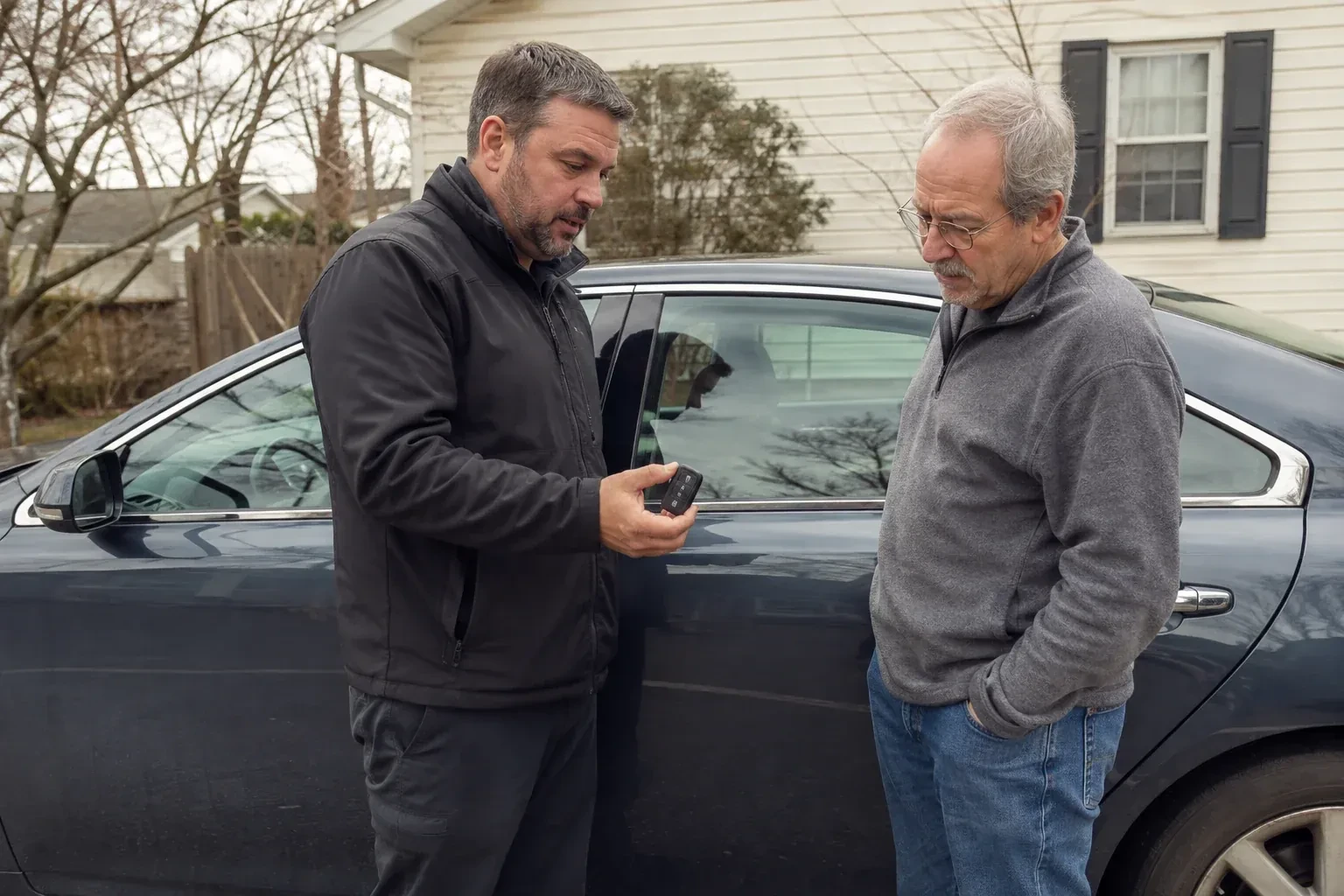
Not every visit ends the same way. Someone who lost their only key wants a working replacement and nothing more. A family adding a driver wants an extra key without disturbing the ones already in daily use. Someone who has never had a spare wants one made and proven before it is ever needed. Asking how many keys should work afterward, and for whom, shapes the whole visit before a single tool comes out, and it is answered in plain terms rather than assumed.
Programming through the diagnostic port
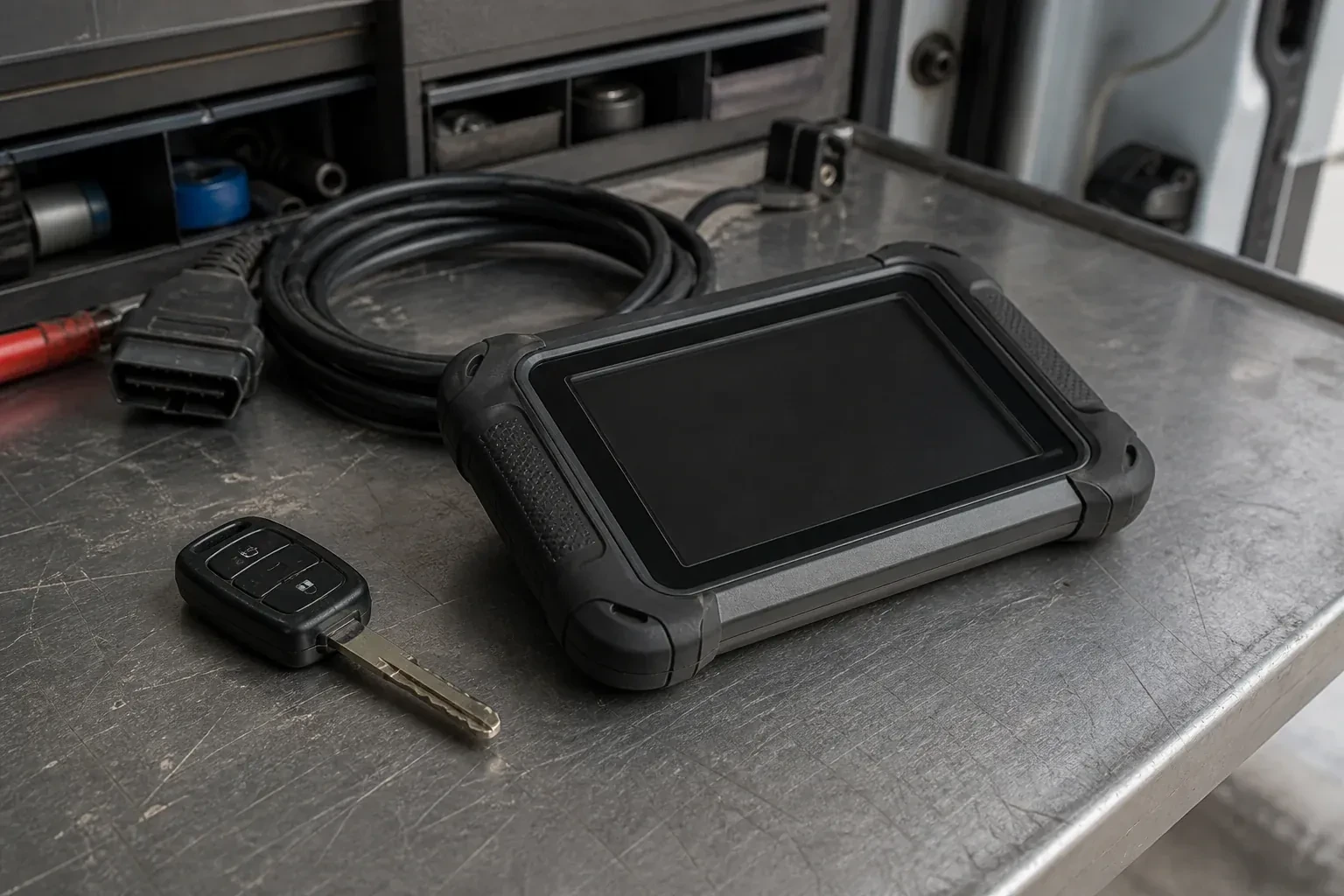
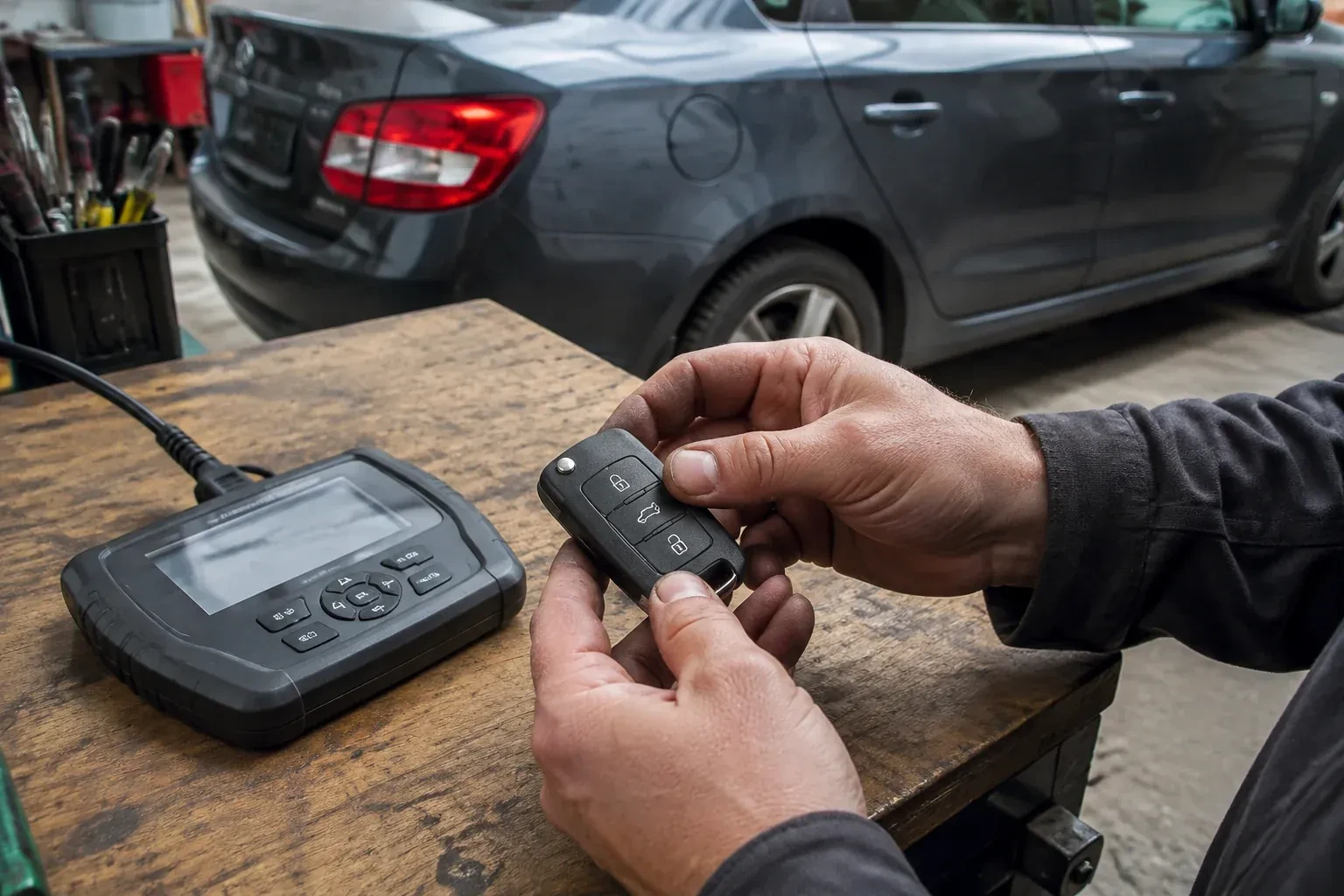
On most vehicles, the new chip's identity is written into the immobilizer through the onboard diagnostic port using equipment built for that vehicle's own protocol. The programmer talks to the vehicle's module in its own language, adds the new key without erasing the others unless asked, and confirms the write was accepted before the tool disconnects. This is the routine path for a spare, an extra key, or a straightforward replacement where at least one working key is still available to authorize the addition.
Looking after the fob
A fob that has just been given a fresh battery and paired functions should be treated normally rather than babied, but a couple of habits extend its working life: avoid leaving it somewhere that gets very hot, such as a dashboard in direct sun, and replace the battery again at the first sign of a weak or intermittent response rather than waiting for it to fail outright. The metal emergency insert is worth testing once, so its location and its awkwardness are familiar before it is actually needed.
Transponder Key Programming
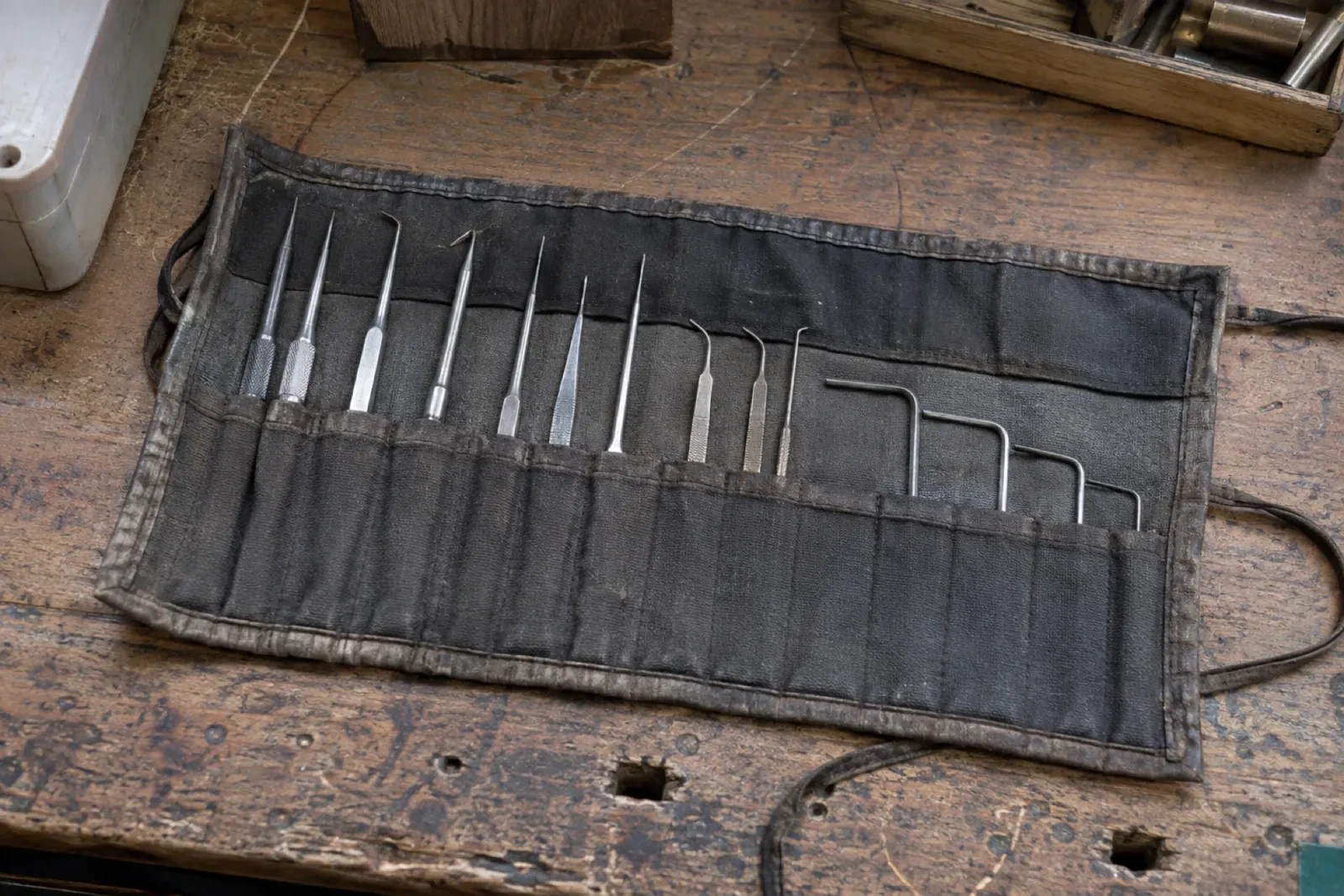
In the van
Replacement remote-head fob
Chipped key blank
VIN reference tool
Fob battery
Frequency test reader
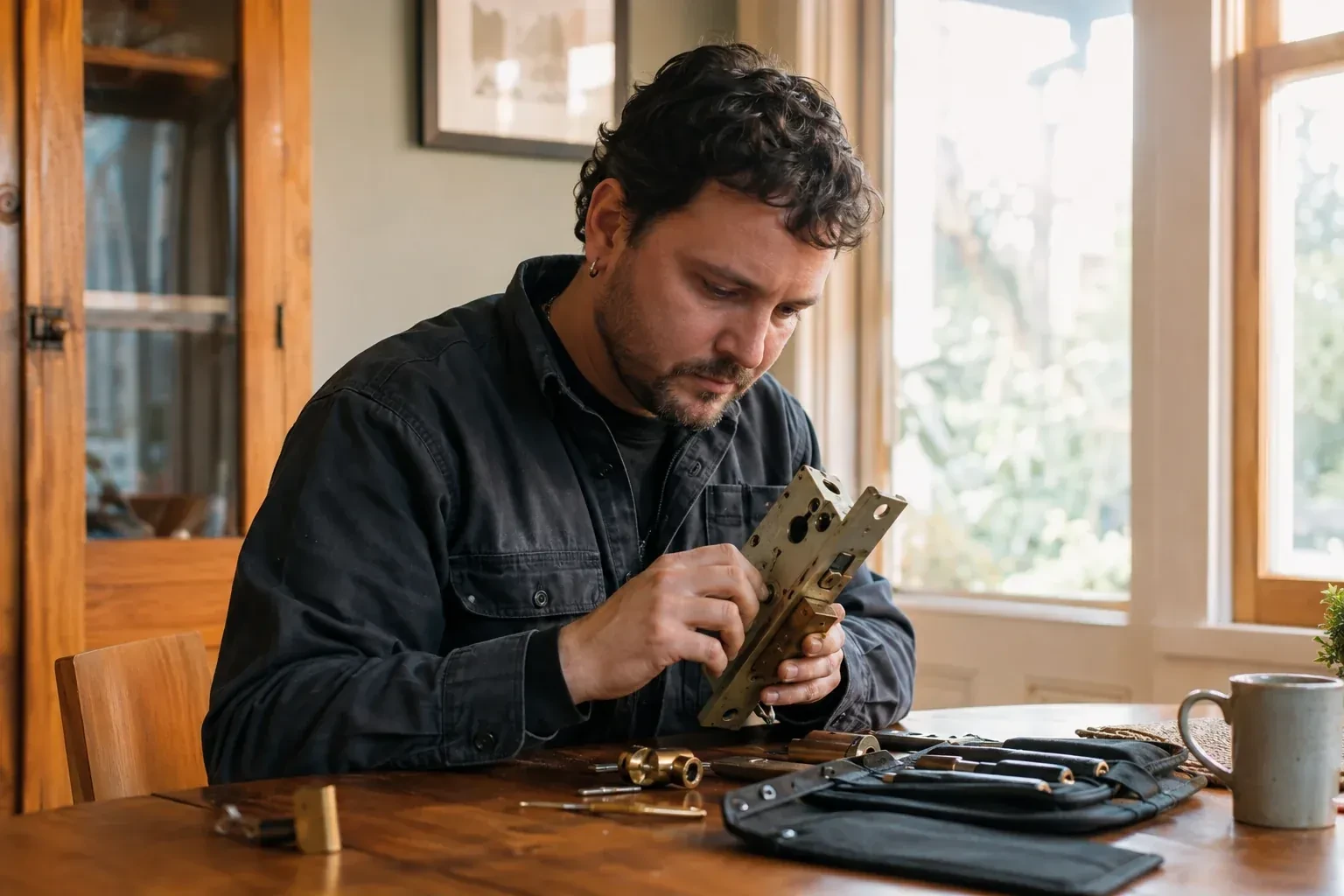
Transponder Key Programming
What affects the quote
Age and availability of the correct blank or chip
Older or less common vehicles sometimes use a blank or chip family that takes longer to source, particularly for a model that has been out of production for some years, which affects how the visit is scheduled.
Aftermarket alarms or remote starters already installed
A vehicle with an aftermarket alarm or remote starter wired into its ignition circuits may need extra time to confirm how that system interacts with the factory immobilizer before a new key is programmed.
Cutting method: by code or by duplication
Cutting from a manufacturer code tends to be more direct than duplicating from a worn or damaged working key, where extra care is needed to read the original cuts accurately before a blank is shaped to match.
What to have ready
- Do you have photo identification available?
- Was a spare ever cut without being programmed?
- Is the key a basic blade, a remote-head, or push-button proximity?
Transponder Key Programming: questions
QuestionsCan a vehicle from before transponder keys were common have one added now?
It depends on the vehicle and what its factory ignition system supports; some older models can accept an aftermarket immobilizer and matching transponder key, while others were never built with a compatible module at all. This is worth discussing model by model rather than assuming either answer, since the mechanical side of an older ignition is often the easier half of that conversation.
My key turns and the engine cranks, but it won't start. Is that this?
That pattern, the starter turning the engine over without it catching, often points to the key or immobilizer rather than a fuel or ignition-timing fault. A flashing security light on the dashboard while this happens adds to that picture. A diagnosis, checking whether the vehicle actually recognizes the key's chip, is what confirms which one it is before any programming begins.
What identification should I bring to a key programming visit?
Photo identification, along with something that connects you to the vehicle: the vehicle permit or registration, or paperwork for a leased, financed or company vehicle if your name is not the one on file. Having this ready before the locksmith arrives keeps the visit moving directly to the vehicle itself rather than pausing partway through.
Related services
- Car Key ReplacementThe car is yours now, but somebody else still holds a key to it.
- Spare Car Key DuplicationA car sits at the cottage all season, and the only key to it lives on a ring three hours away in the city.
- Key Fob ProgrammingA cracked case or a spin through the wash left the fob unresponsive, and opening it up reveals a slightly corroded board where the buttons used to sit.