Car keys · Toronto
Car Key Replacement in Toronto
The car is yours now, but somebody else still holds a key to it.
In plain words
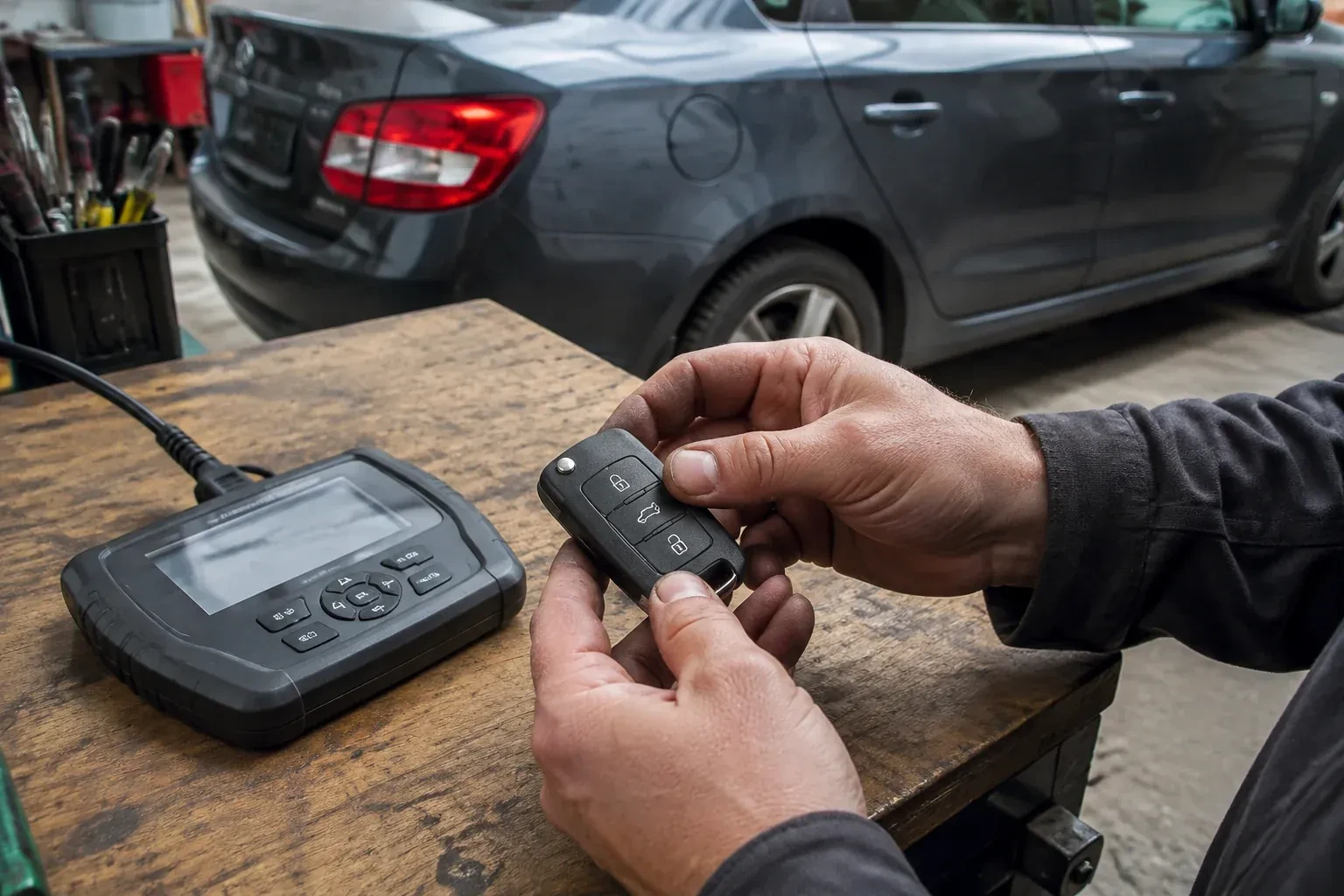
Car key replacement means producing a key that works your specific vehicle when the original is lost, broken, stolen or no longer recognized. On many modern cars that is more than cutting metal: the blade fits the locks, a transponder is taught to the immobilizer before the engine will run, and any remote or proximity function is paired separately; some current vehicles instead use a phone key or key card with no cut blade at all. An automotive locksmith confirms your entitlement, identifies the exact key system from the VIN, cuts the blade to code, programs the electronics and tests every function before handing it over.
How the visit goesMinus twenty outside, the fob button does nothing, and the door keyhole has a crust of road salt over it because you have not used a metal key in that car since the day you bought it.
Car Key Replacement
How the visit goes
Reading the VIN for the key system
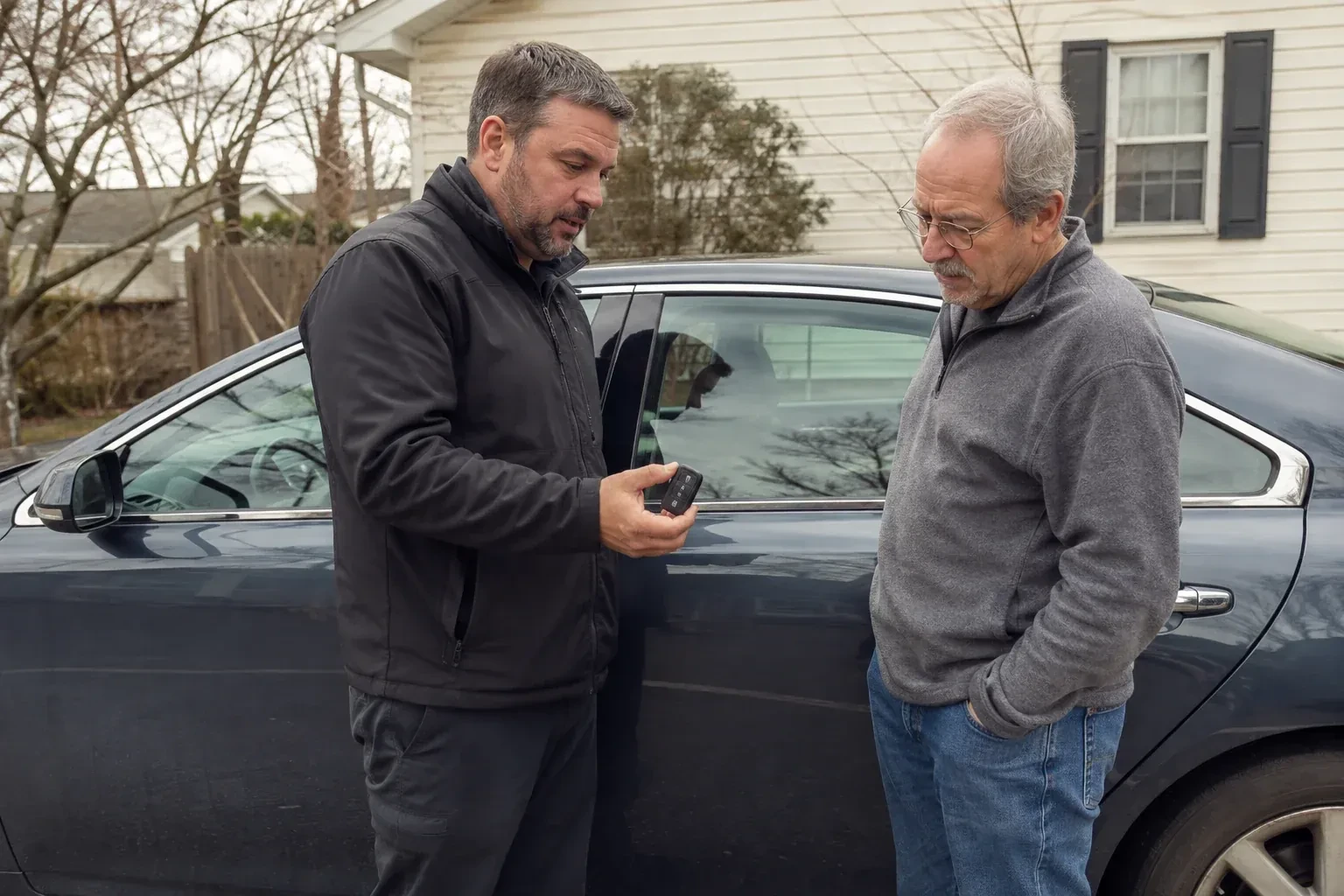
The seventeen-character VIN tells the locksmith what kind of key the car was built with. From it, together with the year, make and model, comes the blade profile (a plain edge cut or an internal high-security cut), the transponder type and immobilizer generation, the remote's frequency and part number, and whether the car uses a proximity fob, or instead a phone-key or key-card system with no cut blade at all. This lookup happens before the visit so the correct blank, shell or fob is in the van, and it flags systems needing a security PIN, manufacturer data or a dealer procedure. A photo of the old key, if any survives, confirms the reading.
Testing every function before the handover
The visit ends with a checklist rather than a handshake. The blade is tried in the driver's door, the passenger door and the trunk lock, and in the ignition where one exists. The engine is started, allowed to run, shut off and started again. Each button is pressed and watched: lock, unlock, trunk, panic, remote start. On a proximity car, the handles are approached with the fob in a pocket and the start button is tried the same way. The spare goes through the identical routine. Anything that stays silent is sorted out on the spot, and the tally of keys the car recognizes is written down for you.
A crisp new blade in a well-used ignition
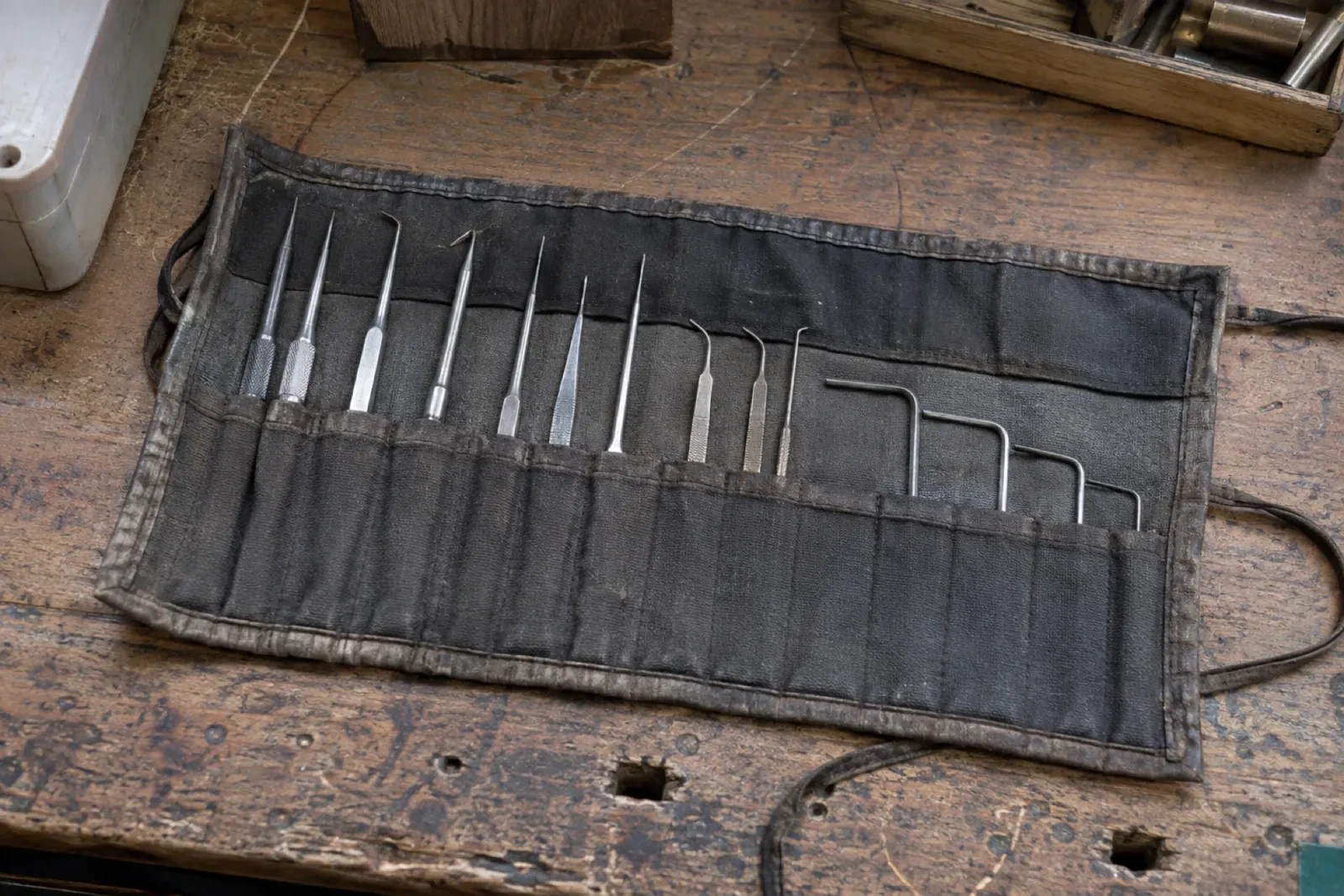
A blade cut to code is made to the lock's original dimensions, so it should turn smoothly from the first use. What it should never do is need the wiggle the old key needed; if it does, or it feels stiff or forced, that points to worn ignition wafers or a cutting issue, and the cylinder is checked and serviced or rebuilt rather than waited out. Keep the new key on a light ring, since a heavy bunch hanging from the ignition is what wears the wafers in the first place.
Car Key Replacement
In the van
Fob coin-cell battery
Remote frequency tester
Proximity fob with emergency blade
Remote-head key shell
Transponder chip
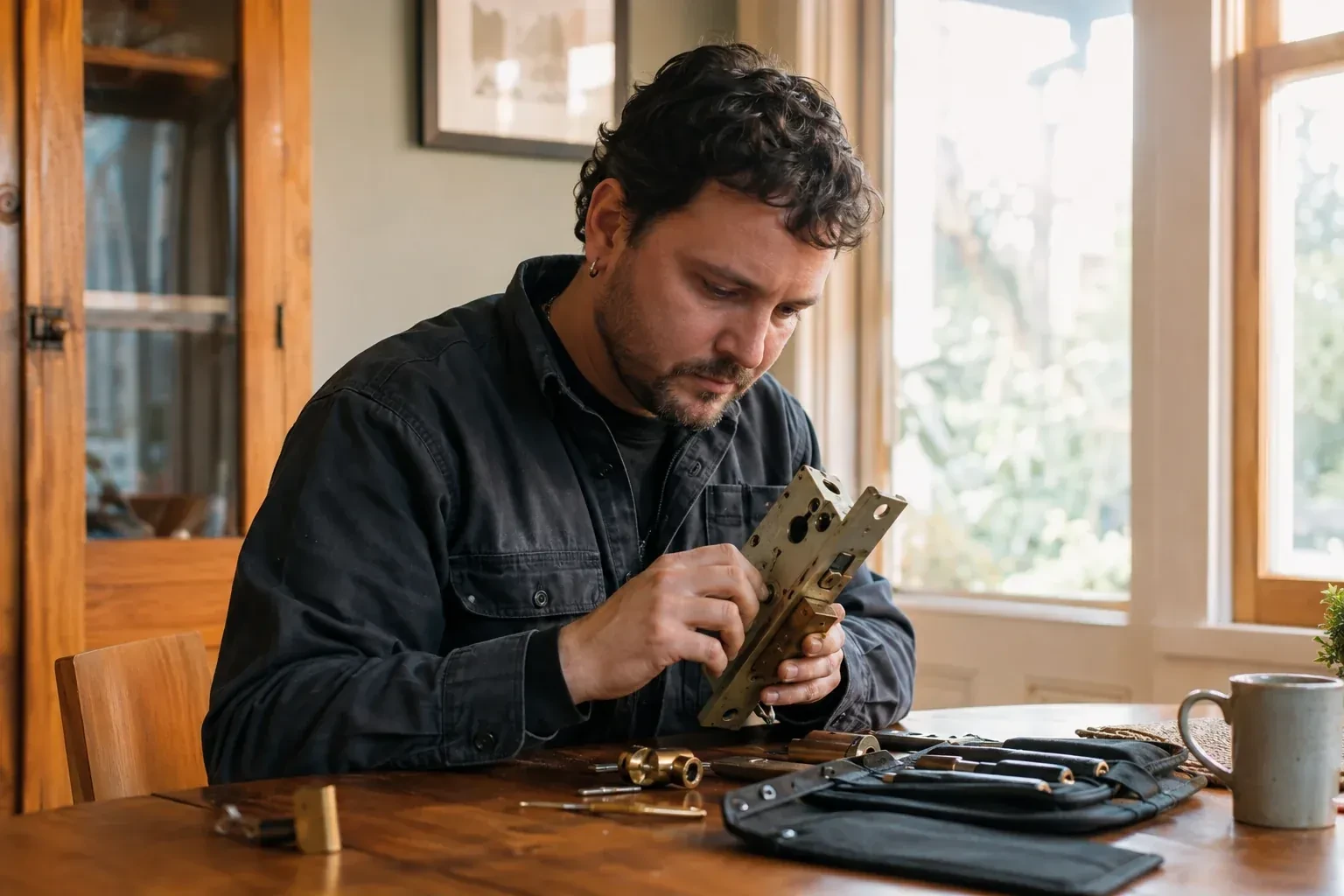
Car Key Replacement
What affects the quote
Programming route the car allows
Some vehicles accept a new key through an on-board routine, most through the programming tool, and a few only through a dealer procedure. The route determines the time and the data involved, and the quote says which it is.
Year, make and model
The vehicle decides the blank, the chip and the programming route. A twenty-year-old sedan with a plain transponder key and a recent proximity-start model are different jobs, and the quote follows the VIN rather than a flat figure.
Security data for the vehicle
Some cars give up their programming PIN through the tool; others require the code to be retrieved from manufacturer secure data, which involves a registered request. That step is quoted when the VIN shows it applies.
What to have ready
- How many keys would you like to leave with?
- Do you have any key that still starts the car, or are they all gone?
- Is there an aftermarket alarm or remote starter fitted to the car?
Car Key Replacement: questions
QuestionsCan the key I lost still start my car?
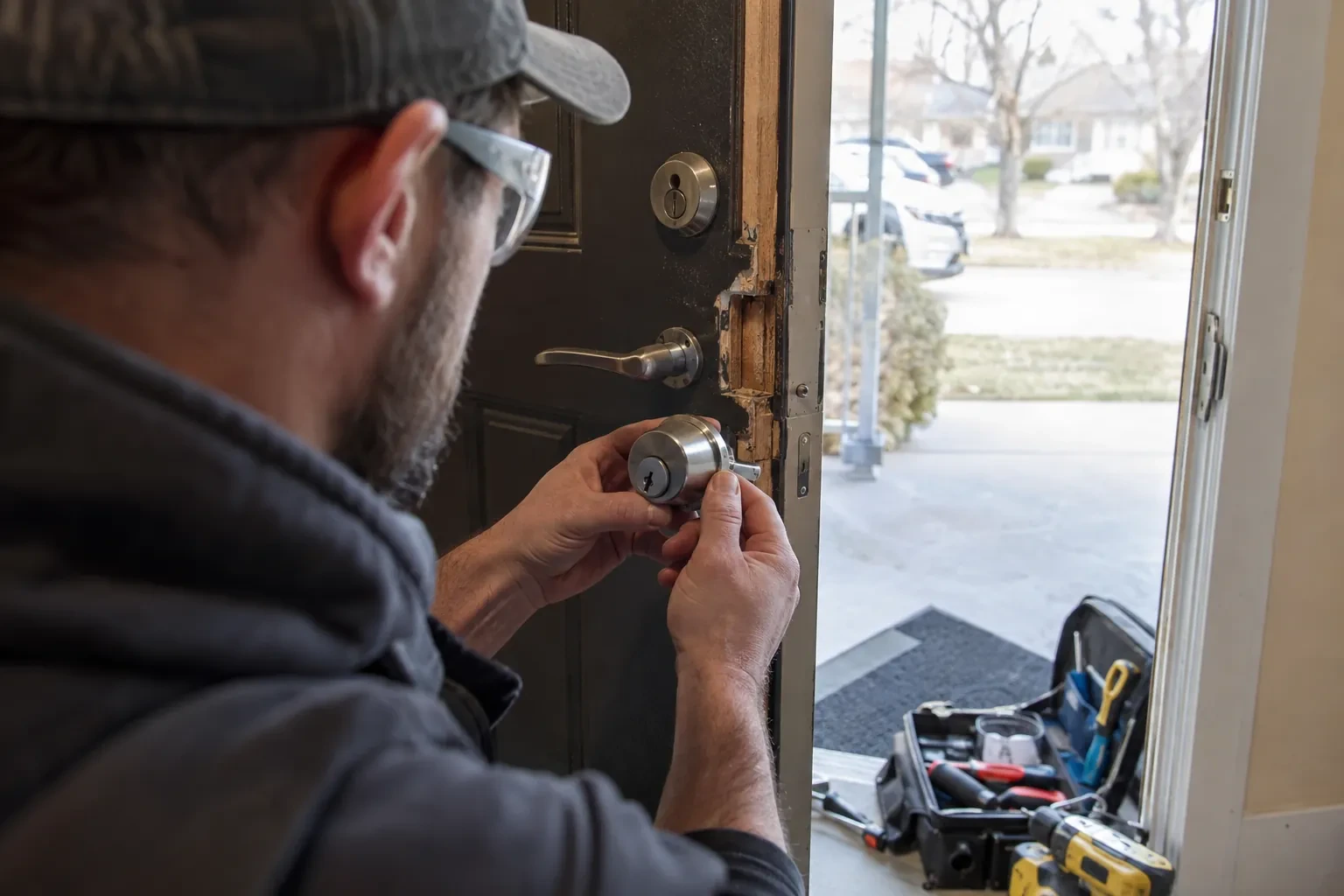
Until it is erased, yes, because the immobilizer still recognizes its chip. During the programming session the locksmith can remove every key from the car's memory except the ones in your hand, and unpair the old remote as well. After that the lost key is a blade that opens a door at most, and nothing else. If that blade worries you, changing or rekeying every mechanical cylinder it operates, doors and ignition, plus a trunk, tailgate, fuel door or glovebox where the car has one, finishes the job.
Can you make a key if every key to the car is gone?
Often, yes, for vehicles with a supported conventional key system: the car is opened, a blade is produced by decoding the door lock or retrieving the factory key code, and the immobilizer is reset so the missing keys are erased before new ones are stored. A key-card or phone-key vehicle, or one needing a dealer procedure, follows its own route instead, which is why the VIN is asked for on the first call.
What is the difference between adding a spare and replacing all keys?
Adding a spare uses an existing working key as the reference: the new blade is cut and checked against it, and the immobilizer is asked to accept one more key alongside the old. Replacing all keys starts with nothing: the lock is decoded for a blade, and the immobilizer is reset to forget every previous key before new ones are stored. The second job is longer and sometimes needs manufacturer data, one more reason to keep a spare.
Related services
- Spare Car Key DuplicationA car sits at the cottage all season, and the only key to it lives on a ring three hours away in the city.
- Key Fob ProgrammingA cracked case or a spin through the wash left the fob unresponsive, and opening it up reveals a slightly corroded board where the buttons used to sit.
- Transponder Key ProgrammingThe car came with a single key when the sale went through, and that key is the only thing standing between the household and being stranded.